Burnham says Russia interfered in the 2016 Brexit vote, a first for a British prime minister
The Prime Minister told The Rest Is Politics podcast he had asked whether Moscow sought to influence the referendum and received "the clear answer that, yes, there was", a direct break with the position of previous governments.
Andy Burnham has become the first British prime minister to say openly that Russia interfered in the 2016 Brexit referendum, telling a podcast interview that he asked the question on entering Downing Street this summer and was given "the clear answer that, yes, there was".
"I asked the question coming to Downing Street, was there interference in the 2016 referendum from Russia? And I've had the clear answer that yes, there was," Burnham said in the interview with The Rest Is Politics podcast.
Burnham did not say how he believed Russia had interfered in the vote, or give details of the evidence on which his statement was based. The Russian embassy in London did not immediately respond to a request for comment, and Russia has previously denied meddling in the Brexit vote.
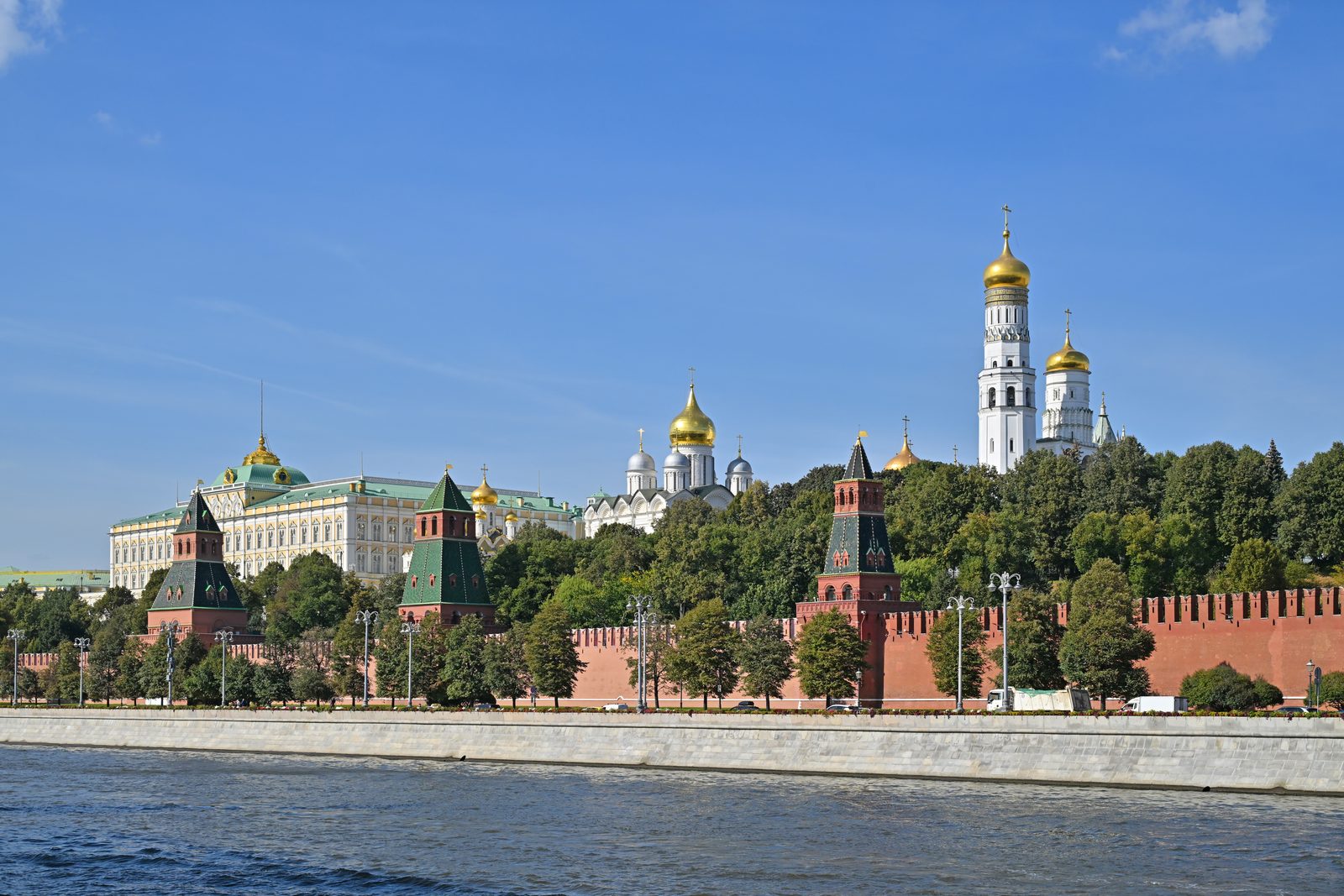
I asked the question coming to Downing Street, was there interference in the 2016 referendum from Russia? And I've had the clear answer that yes, there was.Andy Burnham, Prime Minister, The Rest Is Politics podcast, October 2026
The Prime Minister linked the disclosure to a warning for voters elsewhere in Europe. "I mean, these things are important now to put clearly on the record, and I believe, help voters in Germany and France understand that some of this politics is instigated via our enemies, namely Russia," he said.
His remarks mark a sharp departure from the position of previous Conservative governments. Boris Johnson, who campaigned to leave the European Union, said in 2020 that there was no evidence of Russian interference in the referendum, in which Britons voted 52 per cent to 48 per cent to leave.
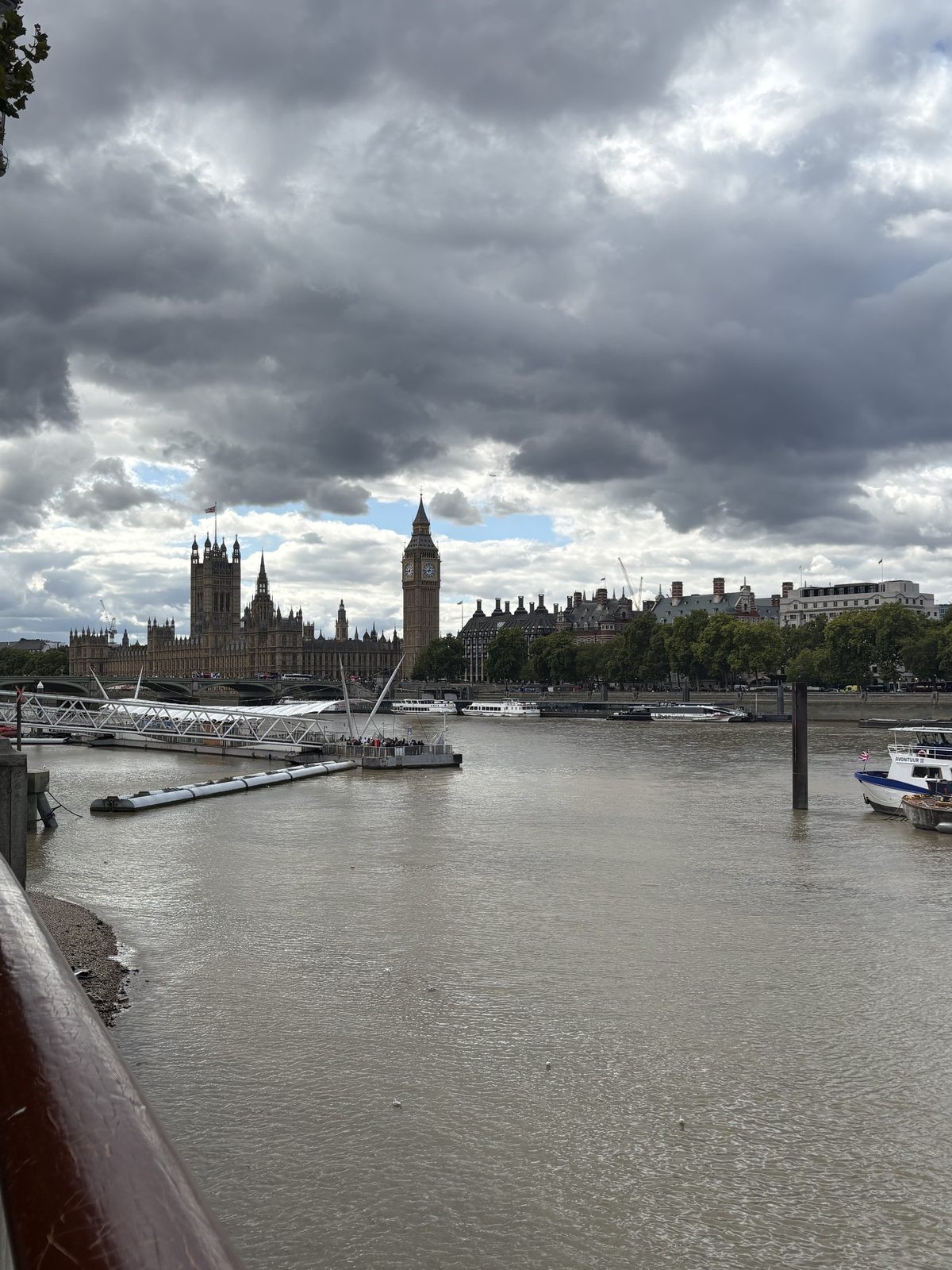
Burnham said he had raised the question of hostile states with the German chancellor, Friedrich Merz, in Berlin last week. According to the Observer, he said Merz had told him the Alternative für Deutschland party was "clearly linked to Russia, funded, I believe", and added: "There is certainly misinformation, disinformation that is emanating from Russia into German politics."
He also said Britain had been "too much on the back foot", leaving voters insufficiently informed about the extent to which overseas actors seek to disrupt the political process. At the United Nations a fortnight earlier, Burnham had said: "We have evidence that they tried to interfere with the 2019 general election. We also know that they have tried to stoke tensions and unrest in the wake of horrific events."
Parliament's Intelligence and Security Committee said in its 2020 Russia report that it was unable to reach a conclusion on interference in the referendum because ministers had provided no post-referendum assessment of Russian attempts at interference, and its request for a further assessment was rejected by the government of the time.
A Downing Street spokesperson declined to comment on the nature of the Prime Minister's briefing but said: "National security is the first duty of any government, we are focused on ensuring our citizens and our institutions are protected from foreign powers and their proxies seeking to threaten lives and undermine our democratic values."
None to date. The Journal corrects errors promptly and transparently. Read our corrections policy.