Barn owls, bumblebees, puffins and hedgehogs: Bank of England names the wildlife for its next banknotes
Nearly half a million people voted in the Bank’s consultation, the most ever for a banknote imagery question, as Churchill, Austen, Turner and Turing prepare to leave the notes.
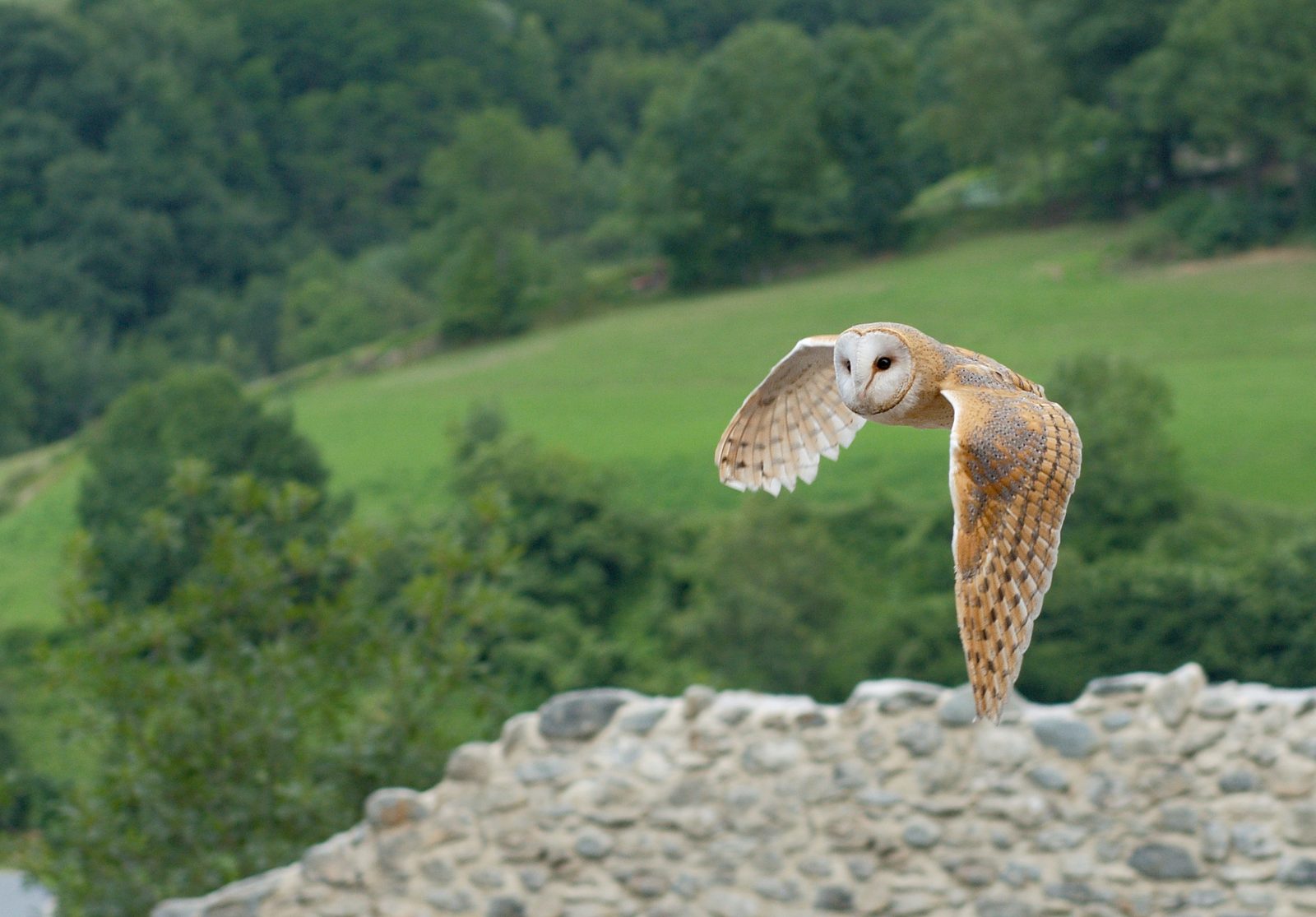
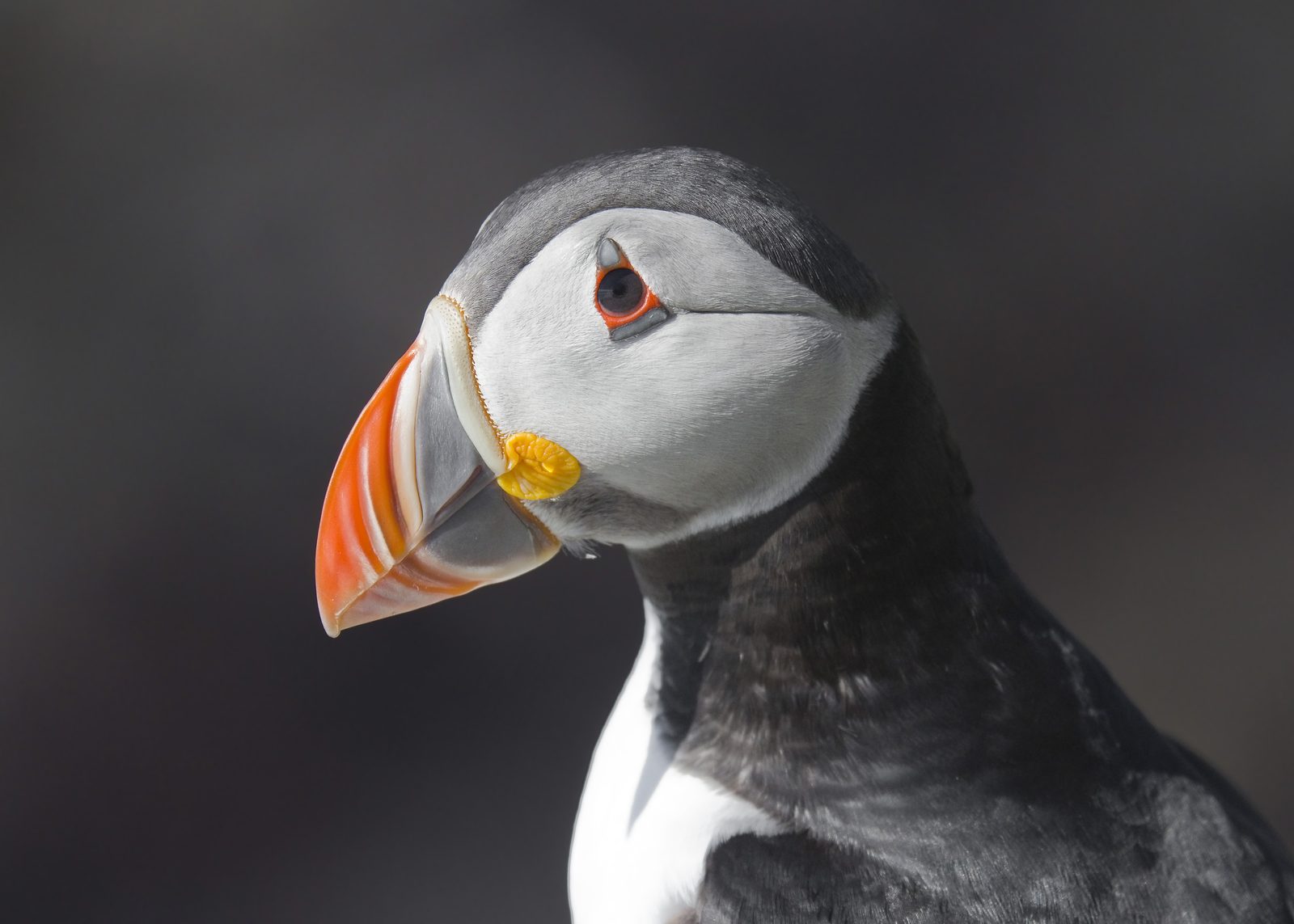
The barn owl, the buff-tailed bumblebee, the Atlantic puffin and the European hedgehog will feature on the Bank of England’s next series of banknotes, the Bank has announced.
The four animals were chosen after a public consultation that drew 478,531 responses, the most the Bank has ever received for a banknote imagery consultation. Respondents cast 2,549,003 selections across a shortlist of 18 animals drawn up with a panel of wildlife experts.
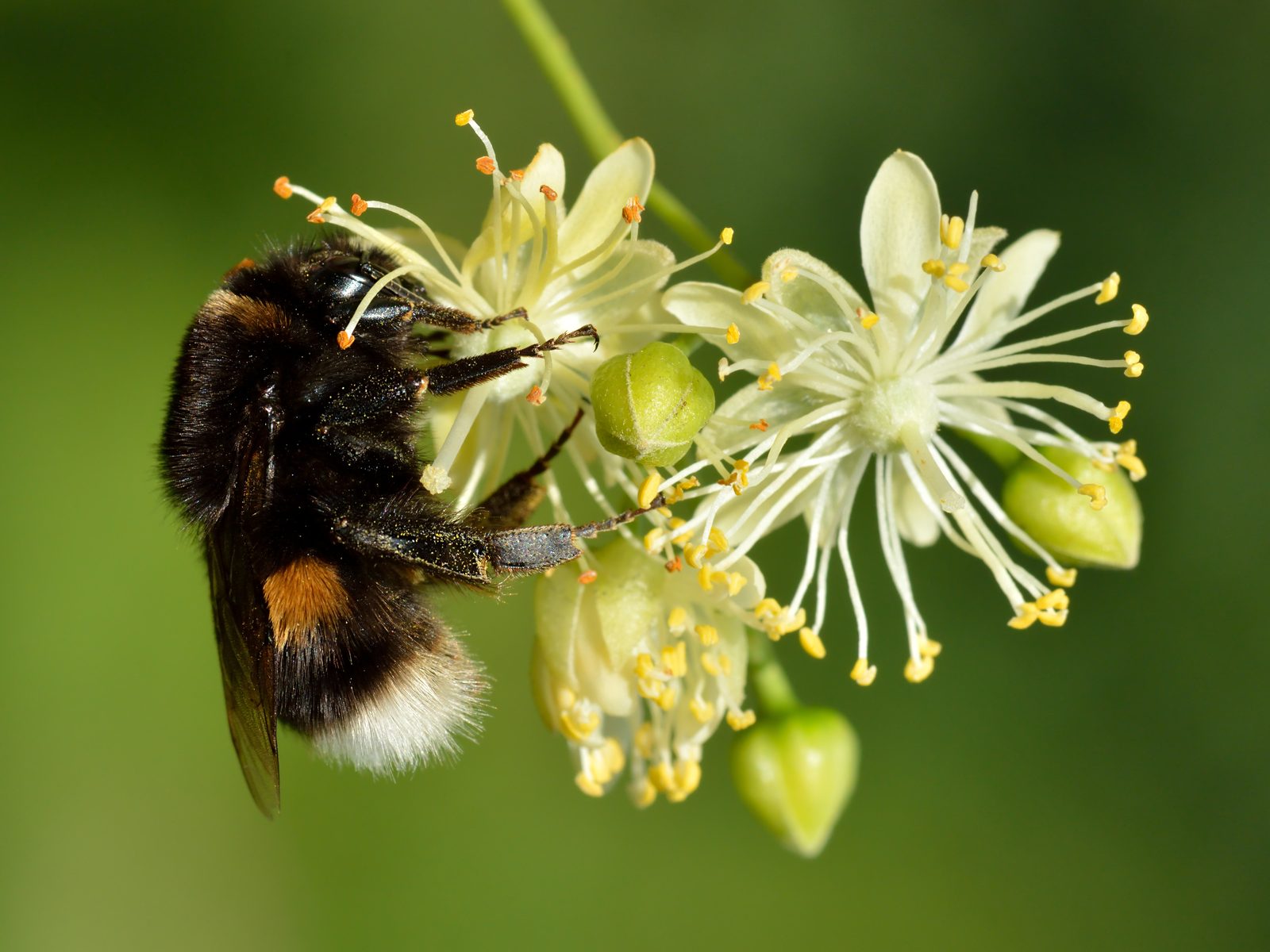
The buff-tailed bumblebee was the most popular animal overall with 360,399 nominations, followed by the barn owl on 270,596 and the European hedgehog on 259,665, each topping its category. The Atlantic puffin, on 183,137, was selected as the most popular marine animal, chosen to add variety to the series and celebrate the British coastline.
With their support, we have chosen four distinct and inspiring animals that not only showcase the great variety of wildlife we have in the UK.Victoria Cleland, Bank of England chief cashier
The Bank has not yet decided which animal will appear on which denomination; that choice will be announced closer to launch. The notes will also carry other elements from nature to complete the designs, and the monarch’s portrait will continue to appear.
The first denomination of the new series is expected to be launched “over the next few years”. Designing, testing and printing banknotes takes a number of years, the Bank said, to ensure they are high quality, resilient and accessible.
The new series will replace the current Series G notes: Winston Churchill on the £5, issued in September 2016, Jane Austen on the £10, JMW Turner on the £20 and Alan Turing on the £50. Historical figures have featured on Bank of England notes since 1970.
The decision follows the Bank’s announcement in March that it would no longer feature famous Britons, opting for nature instead after 60 per cent of respondents to a 2025 theme consultation nominated it. The move dismayed politicians across the spectrum. Kemi Badenoch had previously accused the Bank of “erasing our history”.
“I am delighted that nearly half a million people responded to our wildlife imagery consultation, showing that cash still matters,” said Victoria Cleland, the Bank’s chief cashier. The Bank notes that cash remains the preferred payment method for about one in seven people, with £91.5 billion in circulation at the end of February 2026, even though fewer than one in ten payments were made in cash in 2024.
None to date. The Journal corrects errors promptly and transparently. Read our corrections policy.