Firms trim price-rise plans as wage growth holds steady, Bank survey shows
The Bank of England’s Decision Maker Panel found companies expect to raise prices by 3.7 per cent over the next year, a touch less than before, with 70 per cent saying the energy shock will squeeze profit margins.
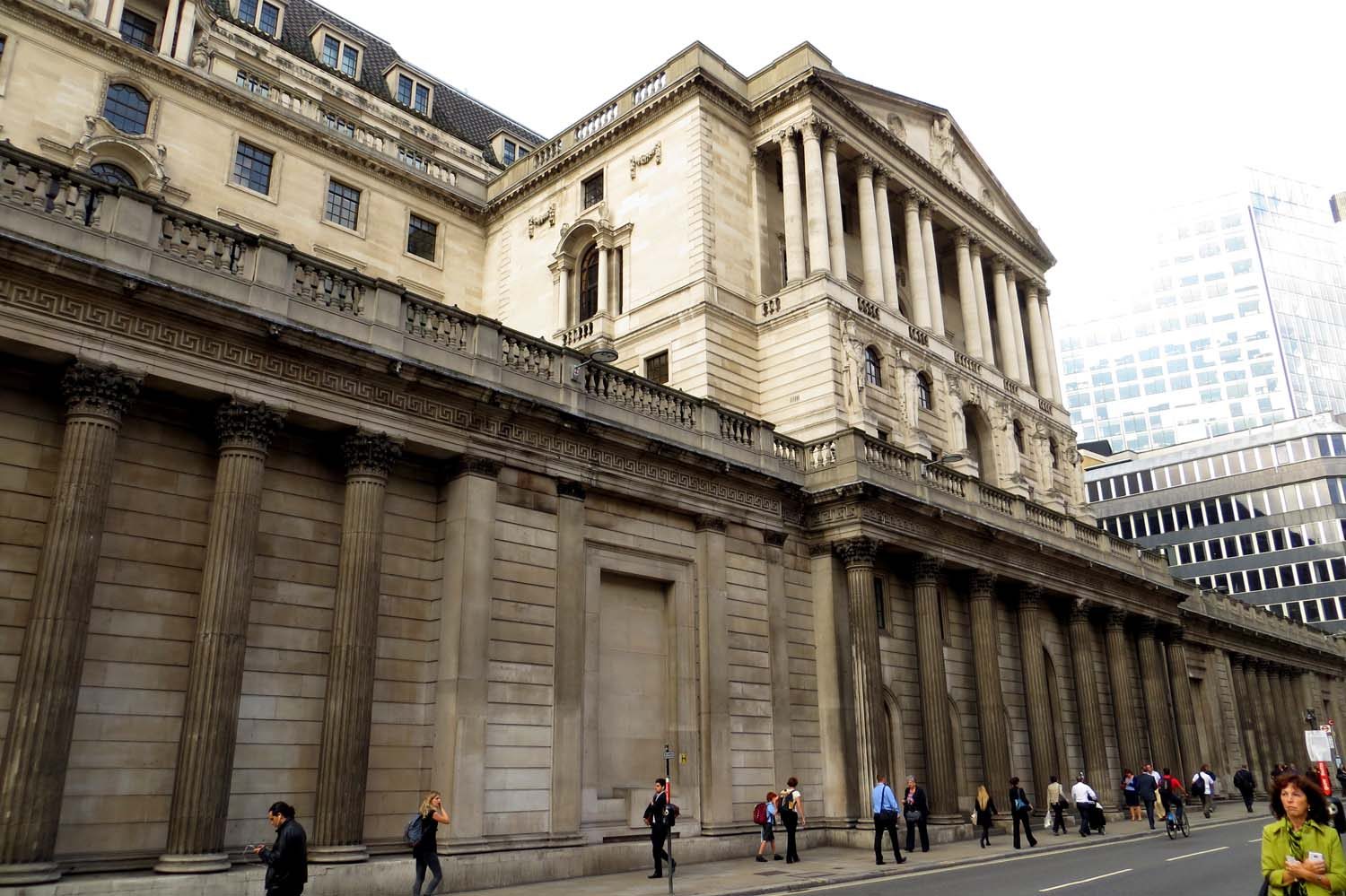
British firms expect to raise their prices slightly less quickly over the coming year, while expected wage growth holds steady, according to a Bank of England survey published on Friday that the Bank is watching closely for signs of inflation pressure from the Middle East energy shock.
The monthly Decision Maker Panel showed companies in the three months to September expected their own prices to rise by 3.7 per cent over the year ahead, down 0.1 percentage points from the three months to August. Expectations for wage growth over the next 12 months were unchanged at 3.4 per cent, implying firms expect pay growth to slow by 0.6 points from the 4.0 per cent actually recorded in the three months to September.
The survey, run with King’s College London and the University of Nottingham, drew 1,993 responses from businesses between 4 and 18 September. Firms’ expectations for consumer price inflation were unchanged at 3.1 per cent one year ahead and 2.8 per cent three years ahead.
Businesses therefore expect output price inflation to be unchanged over the next year, based on three-month averages.Bank of England, Decision Maker Panel release, 2 October 2026
The energy shock continues to shape business plans. Some 57 per cent of firms expect to raise prices in response to it, down seven points since April, while 70 per cent expect the shock to cut their profit margins, up two points since April. Realised annual employment growth was minus 0.2 per cent, while expected employment growth over the next year firmed by 0.1 points to 0.2 per cent.
The Bank is watching wage growth and price-setting by companies to gauge broader inflation risks from the surge in energy prices caused by the conflict in the Middle East. Investors expect the central bank to increase borrowing costs by a quarter point in November, in what would be the first interest rate rise since the war in Iran started.
None to date. The Journal corrects errors promptly and transparently. Read our corrections policy.