Burnham weighs delaying defence spending review to next October
The Prime Minister is considering pushing the spending review that would set the path to 3 per cent of GDP into the autumn of next year, so the increase could be funded alongside the next Budget.
Andy Burnham is considering delaying a decision on when Britain will increase defence spending to 3 per cent of GDP until the autumn of next year, in the hope that the economy improves and ministers can fund the increase through higher taxes or lower spending.
The Government had been expected to hold a spending review in the spring of 2027 that would set out a timetable for reaching 3 per cent, alongside plans for all government spending up to 2030. However, ministers are now weighing whether to hold the review next October, alongside the next Budget. Reaching the interim target would cost an extra £10 billion a year, while the Office for Budget Responsibility has put the cost at an additional £17.3 billion. The existing Defence Investment Plan faces a £4.7 billion funding gap.

One Whitehall source said the “working assumption” was that the review would be pushed back until next October, pointing to the decision under Rachel Reeves to hold only one fiscal event a year. A government source said it would be wrong to characterise the move as a delay because ministers had never set a date for the review.
The date of the Spending Review has not been set. This is pure rumour and speculation.Finance ministry spokesperson, 6 October 2026
A spokesperson for the finance ministry went further: “The date of the Spending Review has not been set. This is pure rumour and speculation.” John Healey, who became Chancellor in July, said earlier this year he would outline an initial path to 3 per cent of GDP at the next spending review. He wants to use his first Budget, on 28 October, to reassure markets that the Government is committed to fiscal responsibility without imposing large-scale tax rises during the cost-of-living crisis, although economists expect higher than expected borrowing costs to have halved the amount of fiscal headroom he has against the Government’s existing plans.

Burnham has pledged that Britain will meet NATO’s target of 3.5 per cent of GDP by 2035, but his Government has yet to set out the steps required to get there. The question carries a difficult history for Healey: he resigned as defence minister in the previous government after failing to secure funding to raise defence spending to 3 per cent of GDP by 2030, a move that helped bring down Keir Starmer.
The Conservatives have sought to make the issue a line of attack at their Birmingham conference. Kemi Badenoch used the gathering to pledge £10 billion for “Britannia Shield”, a British missile and drone defence network, saying the move showed the Tories were serious about keeping Britain safe while Labour would “not commit the money Britain needs for defence”.
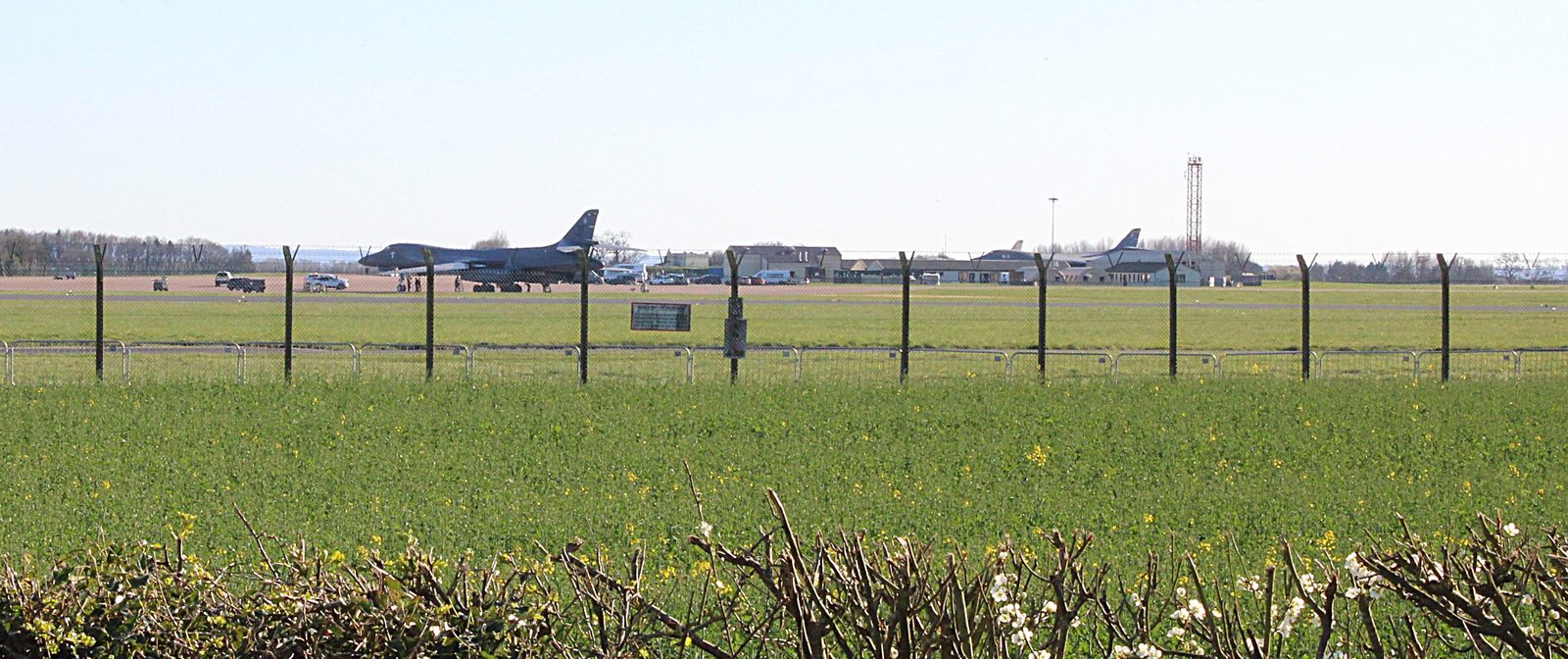
The story lands days after the United States removed bombers from RAF Fairford in Gloucestershire on Sunday after the base was targeted in a suspected Iranian plot, an episode the Journal reported on 6 October, which has sharpened the debate over how Britain meets its NATO commitments.
None to date. The Journal corrects errors promptly and transparently. Read our corrections policy.