Blue plaque rules widened so altered and demolished buildings no longer rule out a nomination
The National and London blue plaque schemes will now consider people whose homes, workplaces and venues have been rebuilt or knocked down, with public nominations open until 13 January 2027.
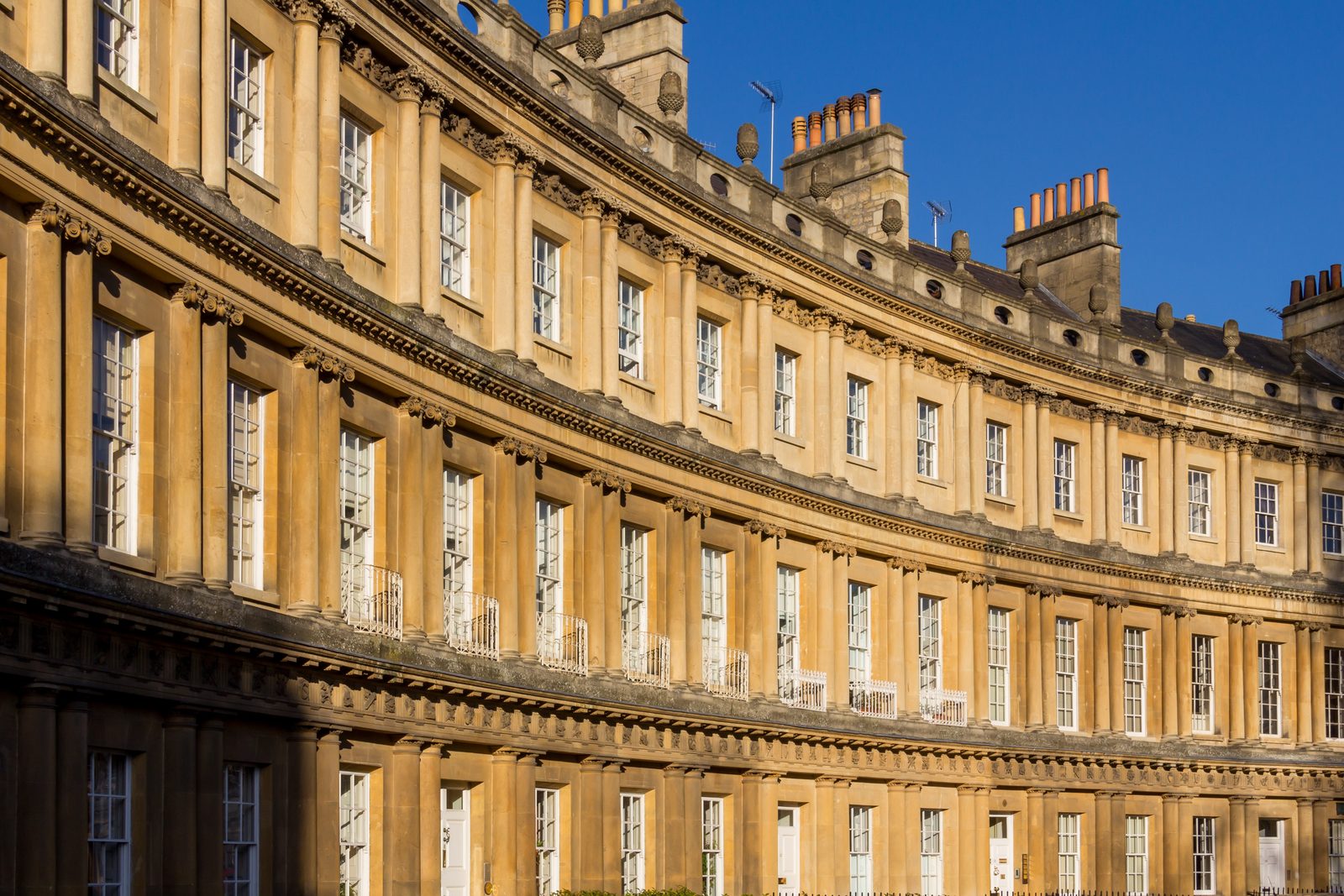
A blue plaque no longer depends on the building surviving in recognisable form. The Government announced on Thursday that the National Blue Plaque Scheme and the Greater London scheme are changing their criteria, so a plaque may now be placed where a notable person or group was based even if that building has since been heavily altered or replaced altogether. Homes, shops, workplaces, community buildings and whole streets are all within scope, and public nominations are open.
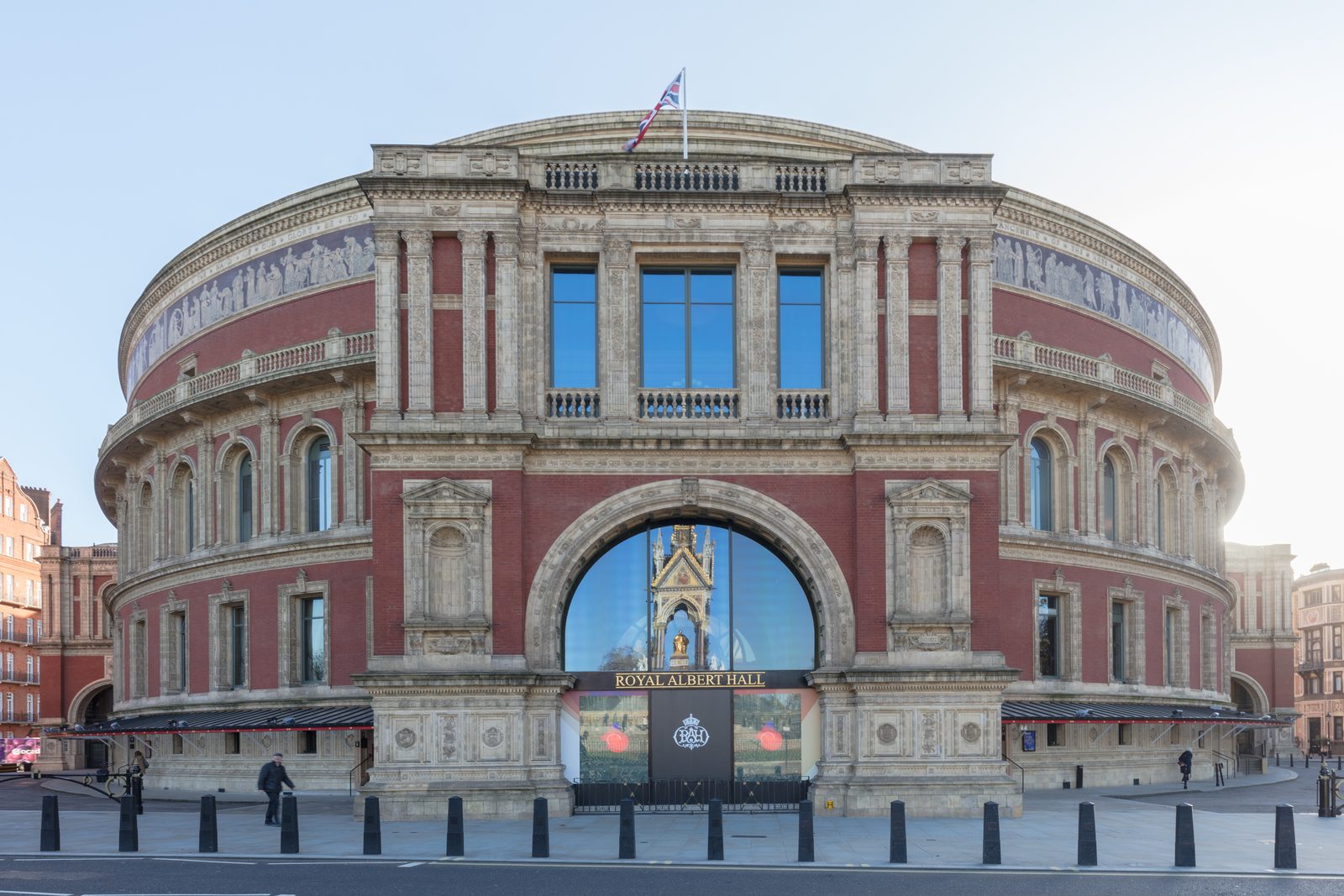
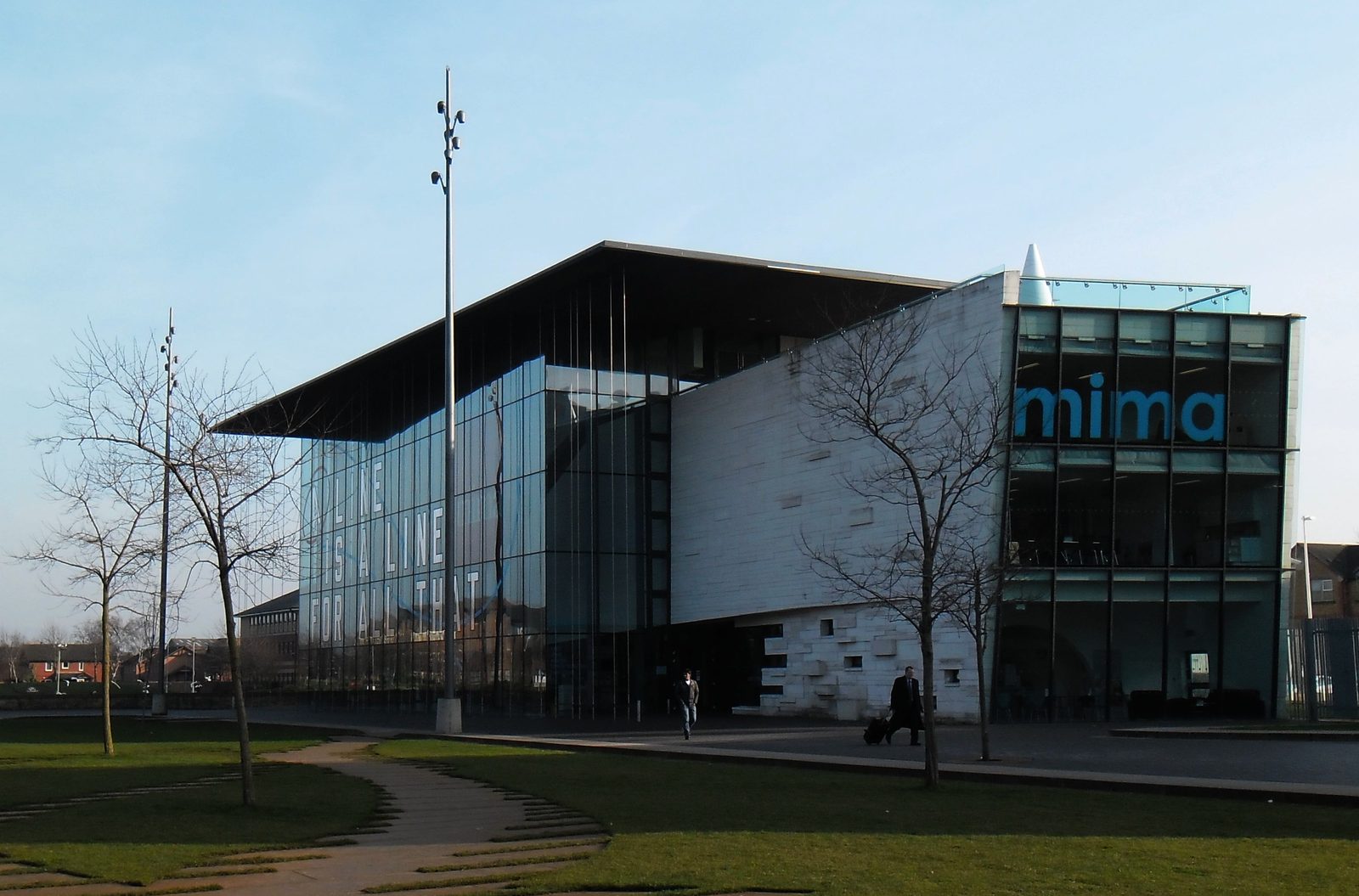
Until now the test worked the other way: the place had to exist still, and not have changed beyond recognition. Ministers argue that this shut out exactly the people the schemes most need to catch up on, among them residents of demolished terraces, workers and innovators tied to vanished factories and workshops, and figures linked to music and performance venues that no longer stand.
The other tests stay in place. A candidate must have contributed significantly to human welfare or happiness, or made an exceptional contribution in their field. The link to the site has to be strong, an individual must have died at least 20 years before, and a group must date back at least 20 years and have stopped functioning. Historic England runs the national scheme for the Department for Culture, Media and Sport; it began in 2023 and has put up twelve plaques so far, from Plymouth to Liverpool, for people including Daphne Steele, the first Black matron in the NHS, George Harrison and the Reverend Wilbert Awdry. The London scheme, run by English Heritage, will use the same updated criteria from this round.
These rules were outdated, unfair, and do not reflect who we are as a nation.Lisa Nandy, Culture Secretary, in the Government release of 12 November 2026
The Culture Secretary, Lisa Nandy, framed the change as a correction to whose stories get told, pointing to millworkers who campaigned for fair wages and safe conditions and to the Windrush generation across the NHS, transport and manufacturing. Professor David Olusoga welcomed the move on similar grounds, saying English history was made by women and men, by the poor as well as the wealthy, and well beyond London. At Historic England, Ellie Djerir said every community has people worth remembering whose buildings have gone, and that the wider criteria let the scheme honour them wherever they lived and worked.
Money follows the rule change. Historic England has been given £100,000 this year to support the programme and to make grants to community groups and grassroots organisations researching nominations that tackle historic underrepresentation and widen the map. One current project pairs Creative Lives, a charity, with archives across the East of England to surface overlooked stories.
Nominations for both schemes close on 13 January 2027, and plaques chosen from this round will be unveiled during 2027. English Heritage, through Matt Thompson, its Conservation, Curatorial and Learning Director, said the extra flexibility would help recognise a wider range of people in London and continue work on the scheme's historic gaps in representation.
None to date. The Journal corrects errors promptly and transparently. Read our corrections policy.