FTSE steadies after worst week since April as services firms feel fuel-price squeeze
Miners led the rebound and Ithaca Energy topped the index on its $1.1 billion Canadian deal, but a services survey showed the sharpest rise in prices charged since May.
The FTSE 100 steadied on Monday after its steepest weekly drop since April, rising 0.19 per cent to 10,481.20 in morning trade as mining shares led the gains and oil prices stayed in check, though the index was broadly flat by the afternoon at 10,458.55. The mid-cap FTSE 250 dipped 0.32 per cent to 24,114.77.
Precious metal miners rose 0.55 per cent as gold and silver prices jumped, and copper miners Anglo American and Rio Tinto were also among the day’s risers. Metlen Energy & Metals advanced after signing a long-term gallium supply agreement with a Japanese chemical company covering up to 16 per cent of output from its facility in Greece, which is under construction.
Ithaca Energy was the standout performer after agreeing to buy a portfolio of conventional offshore oil assets off the east coast of Newfoundland and Labrador from Canada’s Suncor Energy, in a deal worth up to $1.1 billion including contingent payments, with $842 million in initial cash.
Surging fuel prices due to the Middle East conflict continued to drive up input cost inflation in September.S&P Global, via Hargreaves Lansdown, 5 October 2026
BT Group gained after saying it had bought TalkTalk out of administration on a debt-free basis to protect customers and critical national infrastructure. The company estimated the total cash impact of the deal in financial 2027 at around £400 million, comprising consideration, transaction and administration costs, working capital impacts and a trading loss of about £60 million.
A survey of services firms on Monday showed stronger cost pressures last month as fuel prices surged on the Middle East conflict. S&P Global said rates of input cost and output price inflation reached their highest since June, driven by higher energy, fuel and transport bills, and that the rise in prices charged by services companies was the sharpest since May, reversing the slowdown seen in the middle of the year.
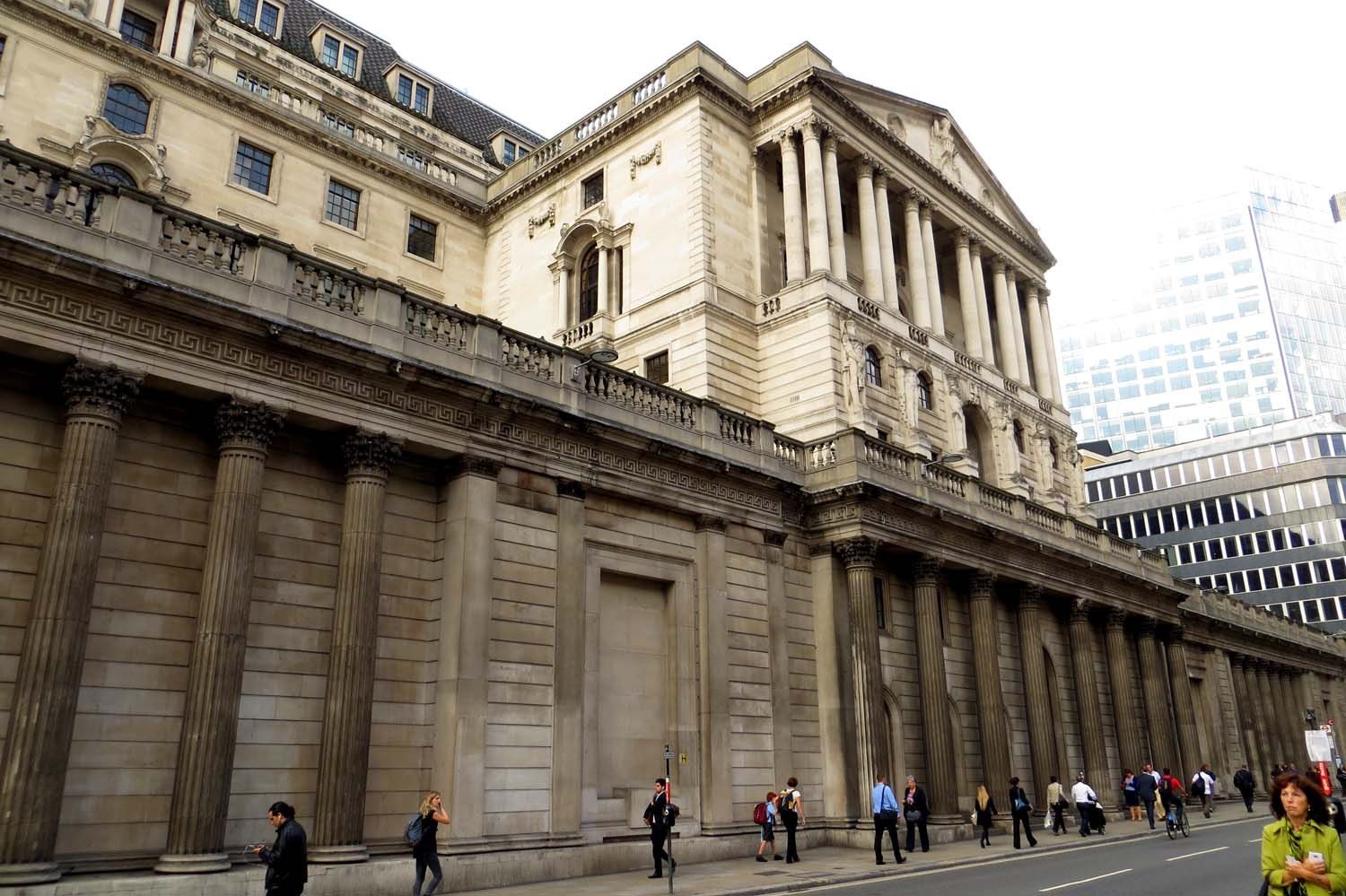
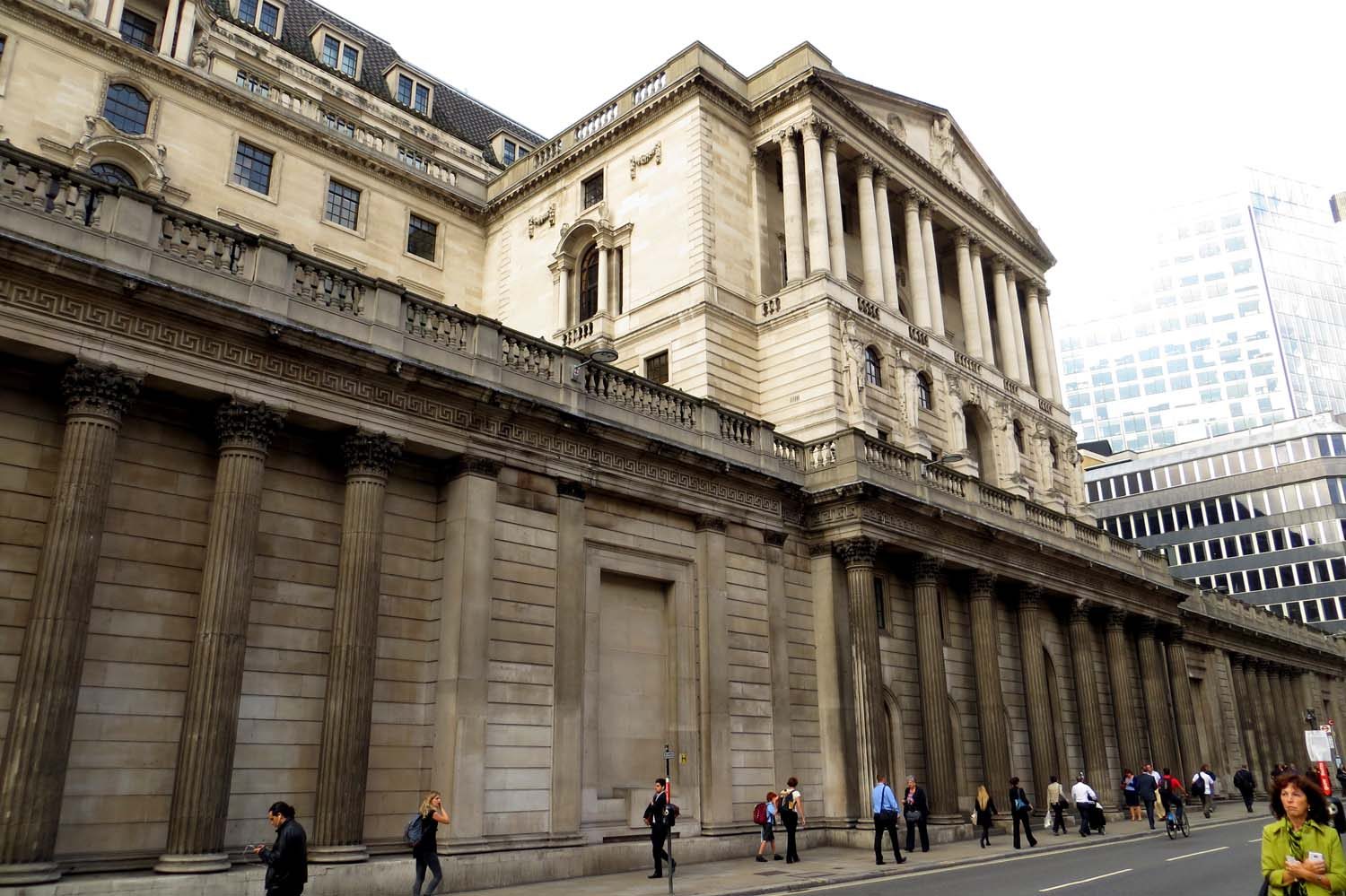
Brent crude dipped in choppy trading after exports from the Middle East increased and the G7 nations pledged to boost supplies, though the conflict between Yemen’s internationally recognised government and Iran-backed Houthis kept investors on edge. Fuel prices have been under scrutiny for their effect on inflation expectations and the Bank of England’s interest-rate trajectory.
None to date. The Journal corrects errors promptly and transparently. Read our corrections policy.