The British press and its regulators
No minister signs off a newspaper before it prints. Britain regulates its press through a peculiar system of self-regulation, a Royal Charter and a judge's report.
Fleet Street is barely a street of newspapers any more, but it remains the address of the British press in the national imagination. Printing began there in the sixteenth century; by the twentieth, most of the national newspapers were produced within a few hundred yards of St Paul's; and in the 1980s they left, one by one, for cheaper and more modern plants. The name stayed. In Britain, Fleet Street means the press itself.
The first thing to understand is what does not exist: there is no state licensing of the press. No minister signs off a newspaper before it prints, and no government department grants permission to publish. What Britain has instead is a system of regulation that the press built, in large part, for itself, under pressure from Parliament, the courts and public outrage.
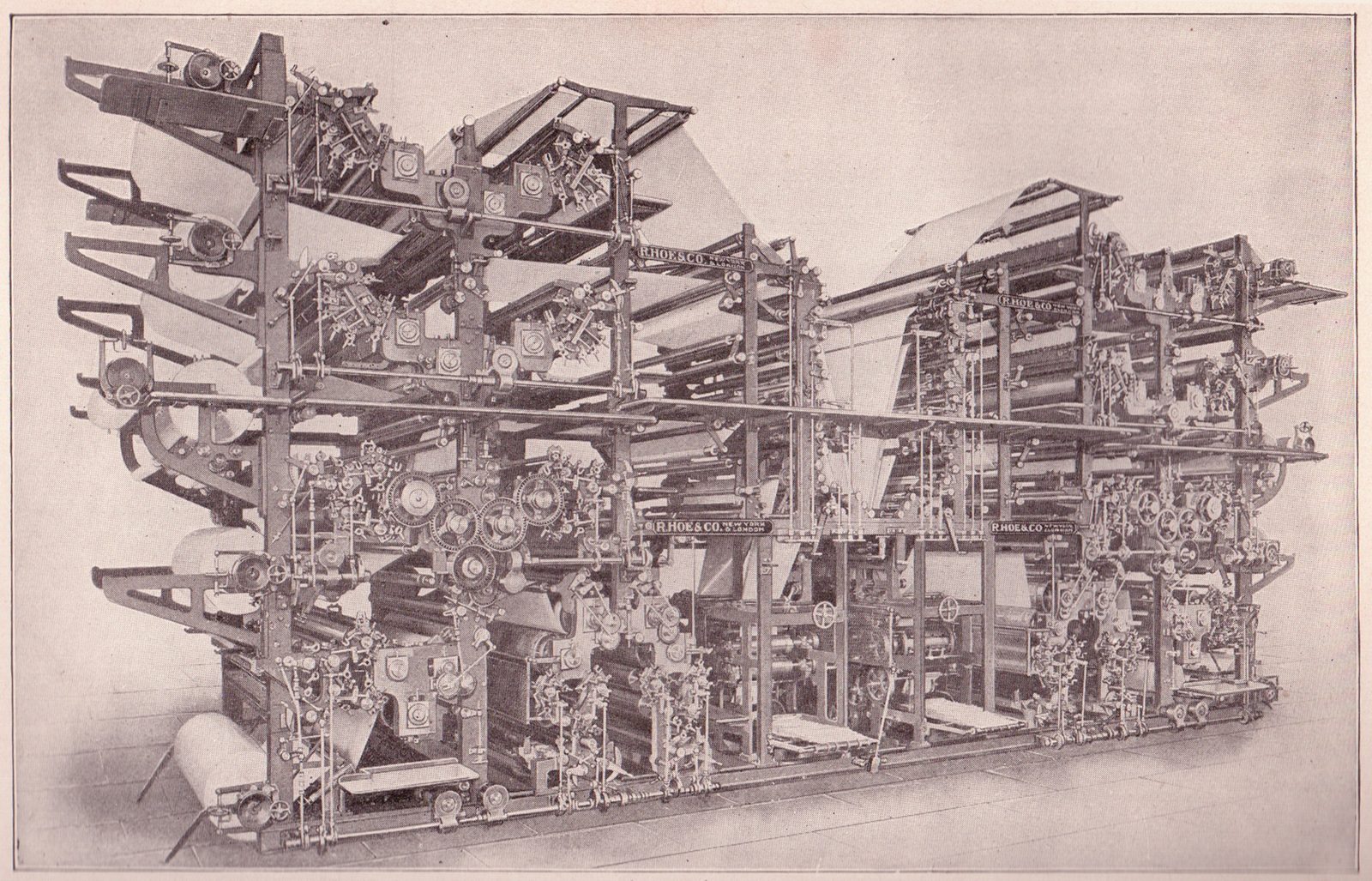
The largest part of that system is IPSO, the Independent Press Standards Organisation. It regulates most of the national and local newspapers and many magazines: its members agree to be bound by the Editors' Code of Practice, it handles complaints from the public, and it publishes its rulings. If you believe a newspaper has behaved unfairly or inaccurately, IPSO is, for most titles, where the complaint goes.
The press is not regulated by the state. It is regulated, mostly, by arrangements the industry built for itself, in the shadow of a judge's report.British Journal guide to press regulation
Alongside it sits IMPRESS, a smaller regulator with a different constitutional basis. IMPRESS is the only press regulator approved under the Royal Charter on self-regulation of the press, and it regulates independent and smaller publishers. Its status is reviewed every three years by the Press Recognition Panel, the body Parliament created to judge whether regulators meet the Charter's criteria; the Panel's 2025 cyclical review confirmed that IMPRESS continues to do so.
Behind both regulators stands the Leveson Inquiry, the judicial investigation into the culture, practices and ethics of the press. Its recommendations led to the Royal Charter and to the recognition system that the Press Recognition Panel administers. Whatever one thinks of Leveson, it is the reason the current arrangements look the way they do: self-regulation, but self-regulation conducted in the shadow of a judge's report.
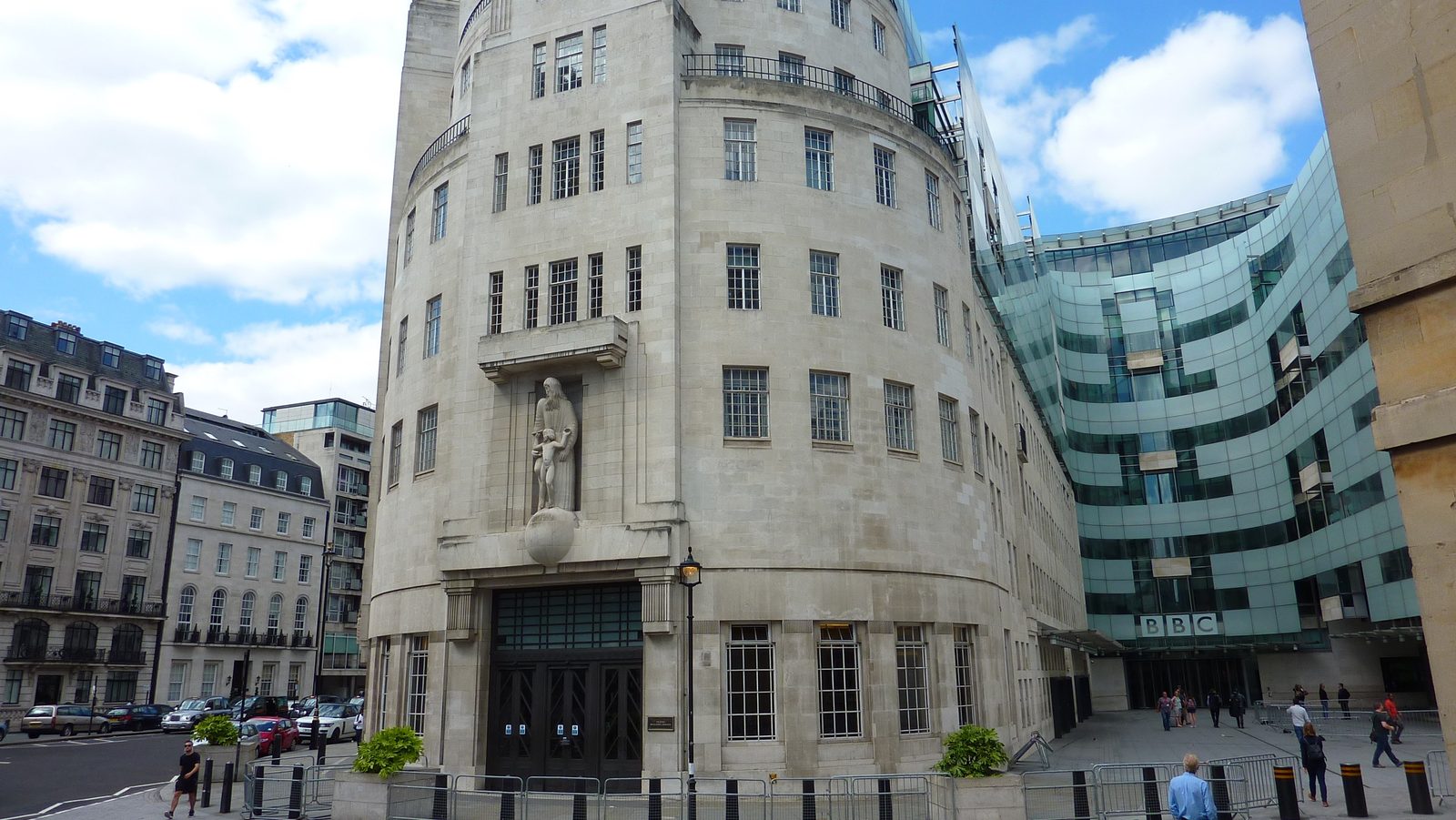
Broadcasting is a different world, with a different regulator. Ofcom is the statutory regulator for communications in the UK: its codes and rules cover television, radio and video-on-demand, and it investigates breaches and publishes its findings in its broadcast bulletins. A newspaper answers to IPSO or IMPRESS; a broadcaster answers to Ofcom; the two regimes reflect the historic difference between print, which no one licenses, and the airwaves, which the state always has.
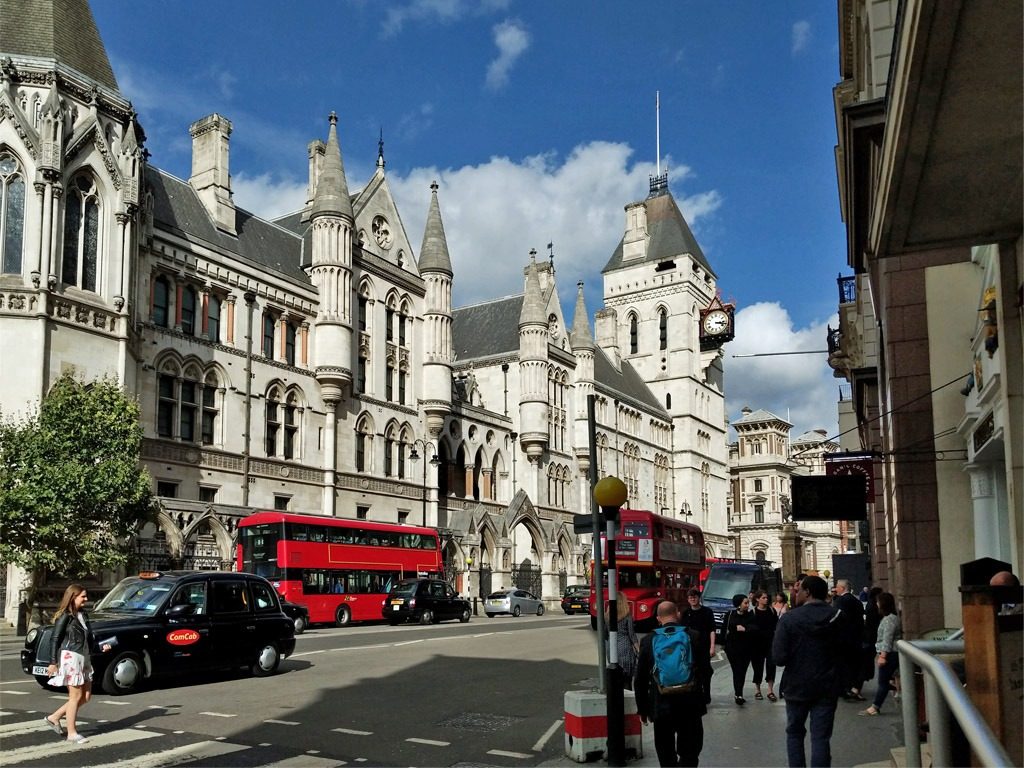
None of this displaces the law. Defamation, contempt of court, privacy and the criminal law all bind journalists as they bind everyone else, and the courts on the Strand still hear the cases that test where reporting ends and wrongdoing begins. Regulation handles standards; the law handles legality; the two overlap constantly.
For the reader, the system is practical. A complaint about a newspaper goes to its regulator; a complaint about a broadcast goes to Ofcom; and the rulings of both are public, which means the press is judged, week by week, in the open. It is an imperfect system, and the press and its critics argue about it endlessly. That argument is itself part of the tradition.
This guide is descriptive, not a legal opinion, and the arrangements it describes will keep evolving. But the principle underneath them has held for three centuries: the British press is free to publish, and it answers for what it publishes afterwards.
None to date. The Journal corrects errors promptly and transparently. Read our corrections policy.