How Westminster works
Parliament, government, the Lords and the making of laws: a plain-English map of the machine that runs Britain.
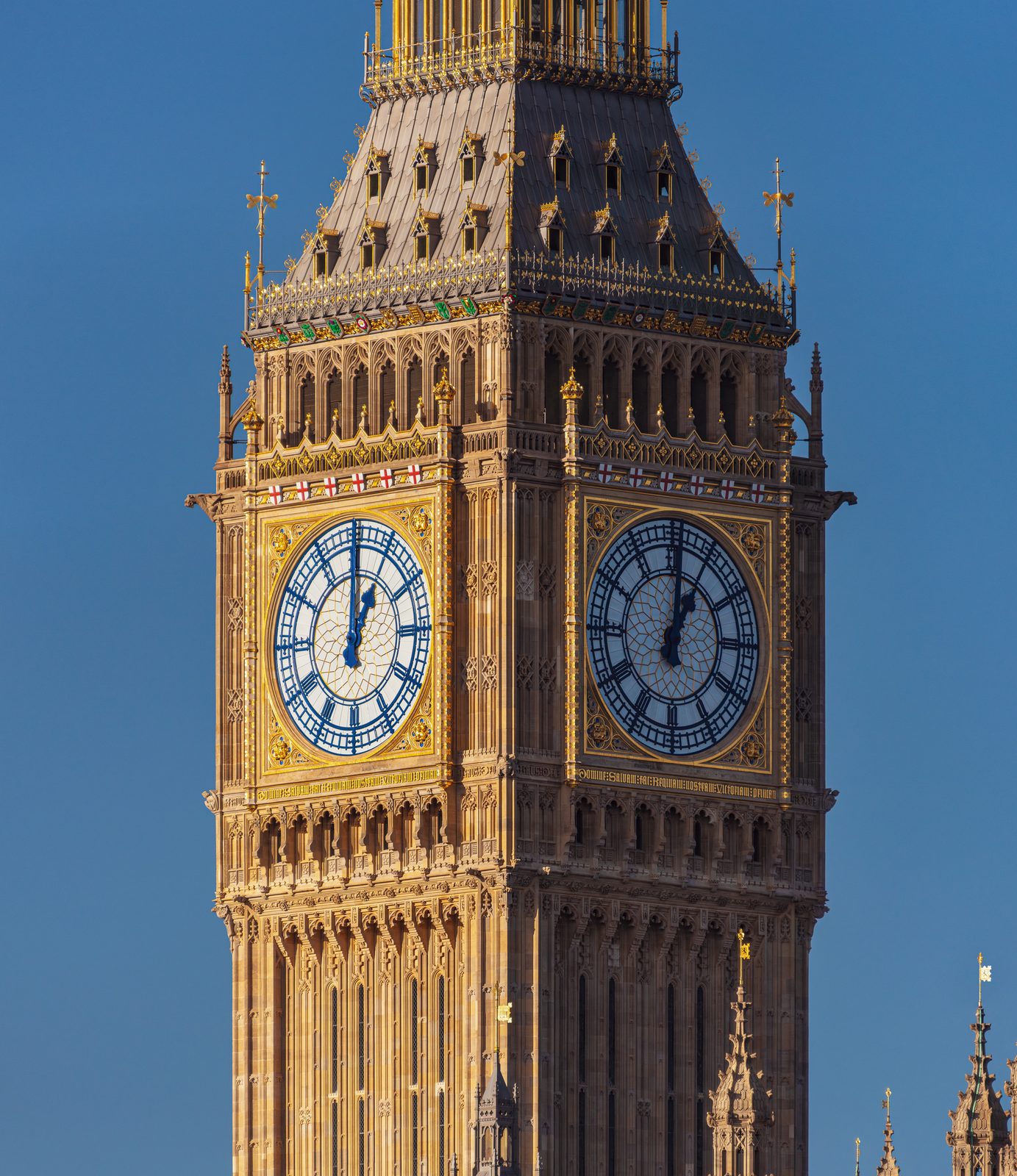
Start with the building, because the building is the point. The Palace of Westminster, on the north bank of the Thames, is where Britain is governed: the House of Commons and the House of Lords sit in its two chambers, and the work of making laws happens in its committee rooms, lobbies and tea rooms. Westminster is at once a place, an institution and a shorthand for the whole business of British government.
Parliament has three parts: the Commons, the Lords and the Monarch. In practice almost everything that matters happens in the first two, and almost everything that is decided is decided in the Commons.
The House of Commons is the elected chamber. It has 650 members, one for each parliamentary constituency, elected by the first-past-the-post system in which the candidate with the most votes in a constituency wins the seat. General elections are ordinarily held every five years; the last one, in which all 650 constituencies voted, was held on 4 July 2024.
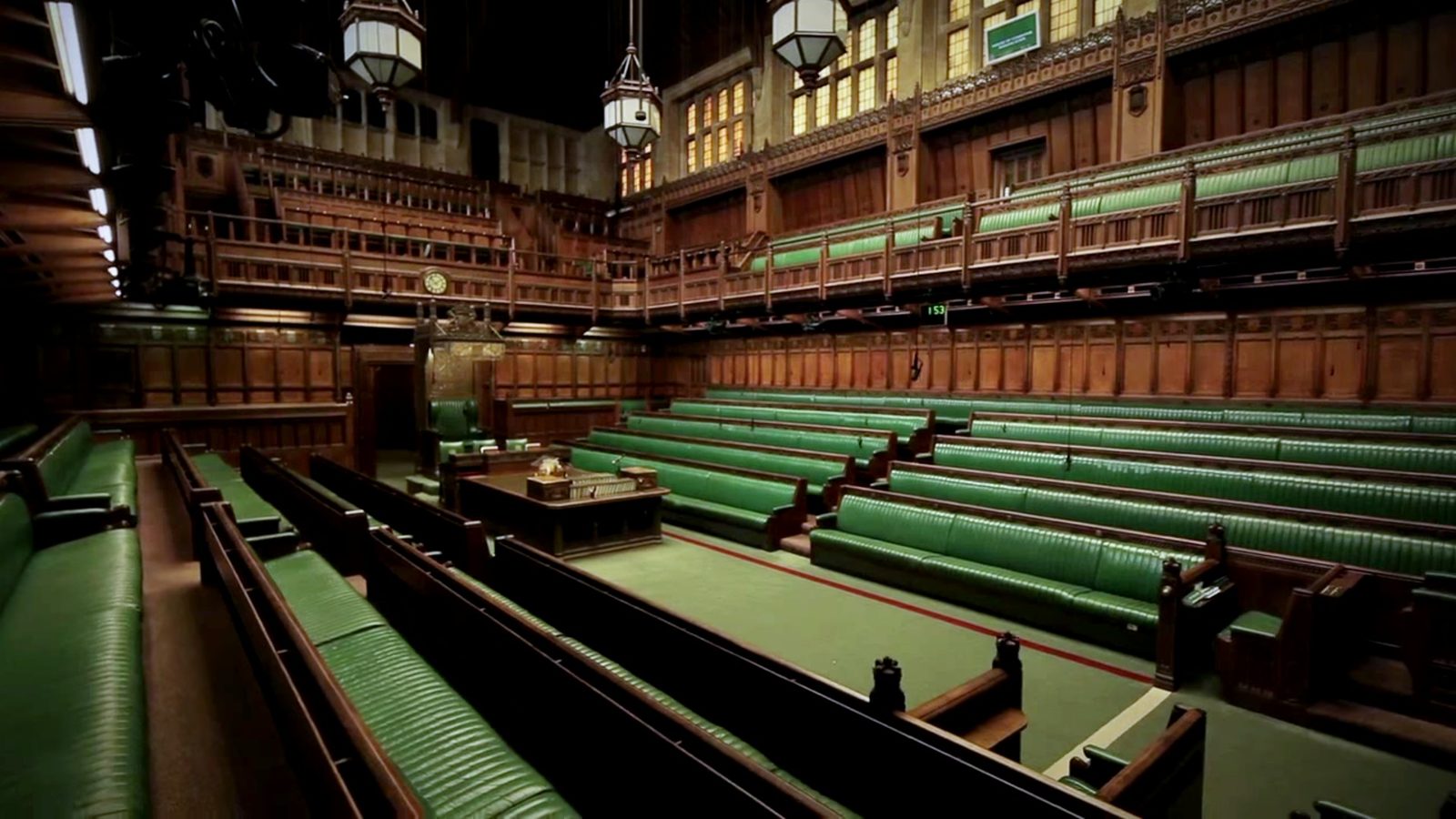
The House of Lords is the unelected upper chamber. Most of its members are life peers, appointed for their expertise, experience or public service; they sit alongside 26 bishops of the Church of England and the 92 hereditary peers who remained after the reforms of 1999. The Lords revises, delays and amends legislation, and its members bring a concentration of specialist knowledge that the Commons, full of career politicians, often lacks.

The Monarch's part is formal but essential: no bill becomes law until it receives Royal Assent. The three parts together make up what is called the Crown-in-Parliament, the constitutional authority from which British law flows.
Parliament and government are not the same thing, and the confusion between them is where most misunderstandings of Westminster begin. The government is formed by whichever party, or coalition of parties, can command the confidence of the Commons. Its leader becomes Prime Minister. Ministers are drawn overwhelmingly from the Commons, which means the executive and the legislature overlap: the same people who run the country also sit in the chamber that holds them to account.
Laws begin as bills. A bill is introduced, debated and amended, moving through readings and committee stages in both Houses, where MPs and peers examine it line by line. Bills concerning taxation and spending begin in the Commons. When both Houses have agreed the final text, the bill goes to the Monarch for Royal Assent and becomes an Act of Parliament.
The balance between the two chambers was settled, in essence, by the Parliament Acts of 1911 and 1949. They established that the elected Commons prevails: the Lords can delay most legislation, but it cannot block it indefinitely, and the 1949 Act reduced the maximum delay from two years to one. The Acts have been used seven times since 1911, a reminder that the ultimate power in the system belongs to the chamber the voters choose.
Scrutiny is the other half of Westminster's work, and it never stops. Ministers answer questions in the chamber, including the regular set-piece of Prime Minister's Questions. Select committees of MPs examine departments, policies and spending in detail, taking evidence from experts, officials and ministers. Much of what is actually wrong with a government policy is found here, in committee rooms, long before it becomes a headline.
The shape of the Commons changes with each boundary review, as the electoral map is redrawn to keep constituencies roughly equal in population. The 2023 review changed the boundaries across the United Kingdom, with England gaining ten seats, Wales losing eight and Scotland losing two. The map you vote on is never quite the map of last time.
Westminster can look arcane, and some of it is. But its logic is simple: an elected chamber that has the last word, a revising chamber that slows it down, a government drawn from the first and answerable to it, and a sovereign in whose name it all happens. That is the machine. The Journal's job is to tell you what it is doing.
None to date. The Journal corrects errors promptly and transparently. Read our corrections policy.