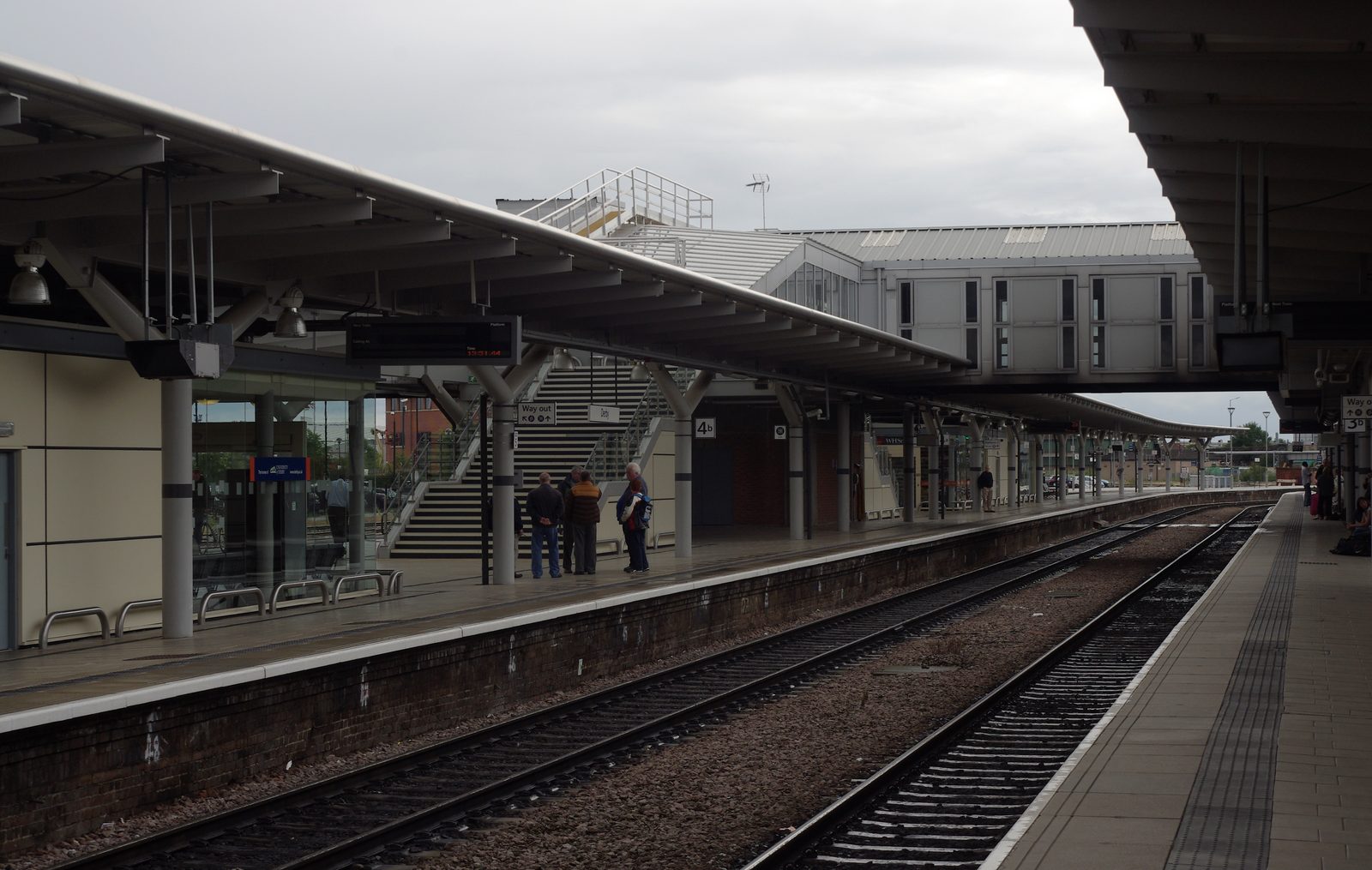
One licence for the whole railway: ministers consult on the permit that will govern Great British Railways
A single licence, issued by the Transport Secretary and enforced by the rail regulator, would replace the separate network and station licences held by Network Rail, with responses due by 21 January 2027.
The Government has opened the consultation that will shape how the new state railway is held to account. Published by the Department for Transport on Thursday, the consultation asks for views on the licence under which Great British Railways will run its assets, covering England, Scotland and Wales. The consultation period began on 12 November 2026 and responses must arrive before it closes on 21 January 2027.
Great British Railways is the public body being created to bring responsibility for rail infrastructure and most passenger services together in one organisation, described in the consultation factsheet as the integrated directing mind for the railway. The Railways Bill, when it becomes law, will provide the legislation to establish it, but a licence is still needed before it can legally operate the railway. That licence will be issued by the Secretary of State for Transport, not by the regulator.
The central change is consolidation. Instead of the separate licences that asset operators hold today for each kind of asset, the new body would hold one licence covering everything it operates. Ahead of that licence being granted, the current Network Rail network and station licences are to be revoked, a process the Secretary of State will manage, and the Office of Rail and Road will handle revoking the operator licences of the publicly owned train companies held through DfT Operator Limited. The new licence is expected to be reviewed about every five years.
I encourage you to share your views to help build a railway that can serve the country for generations to come.Heidi Alexander, Secretary of State for Transport, in the foreword to the GBR licence consultation, 12 November 2026
Its contents fall into four parts: how the body works with the regulator, improving the passenger experience, good stewardship of the railway, and shared industry obligations. On information, the body would have to give the regulator the material it reasonably needs, under a reporting framework the two develop together, and work with independent reporters who can provide outside assurance. The licence is not intended to set detailed performance targets: those belong in the body's integrated business plan, which the Secretary of State must agree, and it will not repeat duties already covered in legislation, the long term rail strategy or funding arrangements.
For passengers, the draft duties include meeting consumer experience standards on matters such as delay compensation and accessible travel, set by the Passenger Watchdog, alongside the standards for accessible stations that come from the Secretary of State and the regulations that protect rail passenger rights, taking part in the National Rail Conditions of Travel and a national passenger enquiry service, sharing up to date information on whether trains are running on time, and working with the Passenger Watchdog and London TravelWatch. On stewardship, the draft requires long term care of infrastructure, a published land disposal policy, fair rail retail under a Retail Code of Practice issued by the regulator and approved by the Secretary of State, transparent engagement with stakeholders, devolved governments and local leaders, and steps to make third party investment easier. Subsidiaries carrying out licensed activities would have to comply with the licence, with an up to date list of them shared with the regulator.
Other operators are outside this licence. Open access, devolved, freight, charter and heritage operators will run alongside the new body under their own licences, which the regulator will continue to oversee, and the regulator will consult separately on changes to those licences. Shared industry duties in the draft include membership of the Rail Safety and Standards Board, appropriate insurance, taking part in the Claims Allocation and Handling Agreement, an environmental policy, emergency access to stations and depots, and keeping current lists of the stations and depots operated. This consultation is separate from the later formal notification procedure for the proposed licence, expected in 2027 once responses have been considered, and the replies received now will inform the final design of the licence before it is issued.
None to date. The Journal corrects errors promptly and transparently. Read our corrections policy.