Supreme Court rules that ScottishPower's £28 million of redress payments cannot be deducted for tax
Five justices allowed HMRC's appeal over payments made to consumers and consumer organisations under four settlements with the energy regulator between 2013 and 2016, restoring the Upper Tribunal's decision.
The Supreme Court has ruled that about £28 million which ScottishPower paid to consumers and consumer organisations under settlements with the energy regulator cannot be deducted when the company works out its taxable profits. In a judgment handed down on Wednesday 21 October, cited as [2026] UKSC 35, five justices unanimously allowed an appeal by HM Revenue and Customs, reversing a Court of Appeal decision that had allowed the whole sum to be deducted.
The money goes back more than a decade. ScottishPower's businesses supply and generate electricity and gas, and are regulated by the Gas and Electricity Markets Authority, whose day-to-day work is carried out by Ofgem. Between October 2013 and April 2016 the group entered into a series of agreements settling Ofgem investigations into matters that included mis-selling, complaints handling and costs transparency. Under those settlements it paid roughly £28 million to consumers and consumer organisations, in addition to nominal penalties, and the argument ever since has been about the tax treatment of those payments.
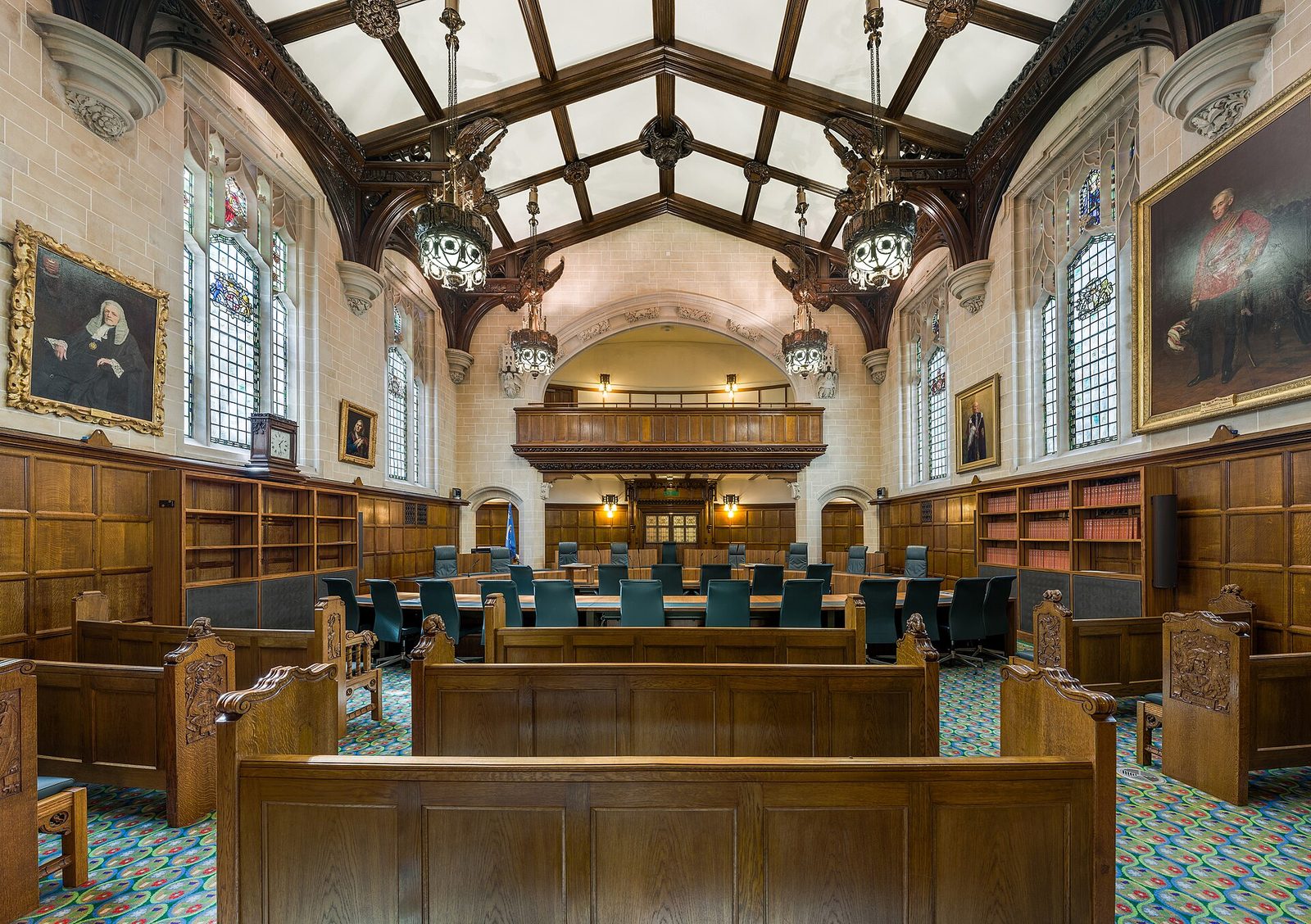
The legal question, as the court framed it, was whether the established rule that penalty payments cannot be deducted also reaches payments made to consumers or consumer organisations in settlement of a regulatory investigation. Lady Rose and Lord Doherty gave the judgment, with Lord Reed, Lord Stephens and Lady Simler agreeing, following a hearing on 18 and 19 May 2026. Reporting of the judgment records the court's reasoning in three steps: penalties fail the test in section 54(1)(a) of the Corporation Tax Act 2009, under which a deduction depends on spending whose purpose is, wholly and exclusively, the trade itself; the redress payments were not voluntary, because they were made to avoid the significant penalties that would otherwise have followed; and it would be unfair for a business that settles to win tax relief that a business which lets the regulator impose an appealable penalty cannot have.
A payment made to escape a penalty is treated, for tax, in the same way as the penalty it replaced.British Journal analysis
The case had already changed direction twice on its way up. The First-tier Tribunal agreed with HMRC except for one element of the payments. The Upper Tribunal then sided wholly with HMRC. The Court of Appeal disagreed, and in January 2025 held for ScottishPower. By allowing HMRC's appeal, the Supreme Court restores the Upper Tribunal's position, under which none of the payments qualifies for a deduction, including a sum of £554,013 paid directly to customers who had been mis-sold to, which the First-tier Tribunal had treated as compensatory and deductible. The Supreme Court treated that payment as part of a single settlement package agreed under the threat of a penalty.
HMRC welcomed the ruling as confirming its longstanding position, according to reporting of the judgment, while ScottishPower responded only that it had noted the ruling. The group is owned by Iberdrola, the Spanish utility.

Companies in regulated sectors will now have to treat money promised under a settlement of this kind as a cost that tax relief will not soften, just as with a fine. That alters the arithmetic of settling an investigation rather than contesting it: the redress element has to be costed without the relief the Court of Appeal's approach would have given, and future settlement packages will be negotiated in the shadow of this judgment.
None to date. The Journal corrects errors promptly and transparently. Read our corrections policy.