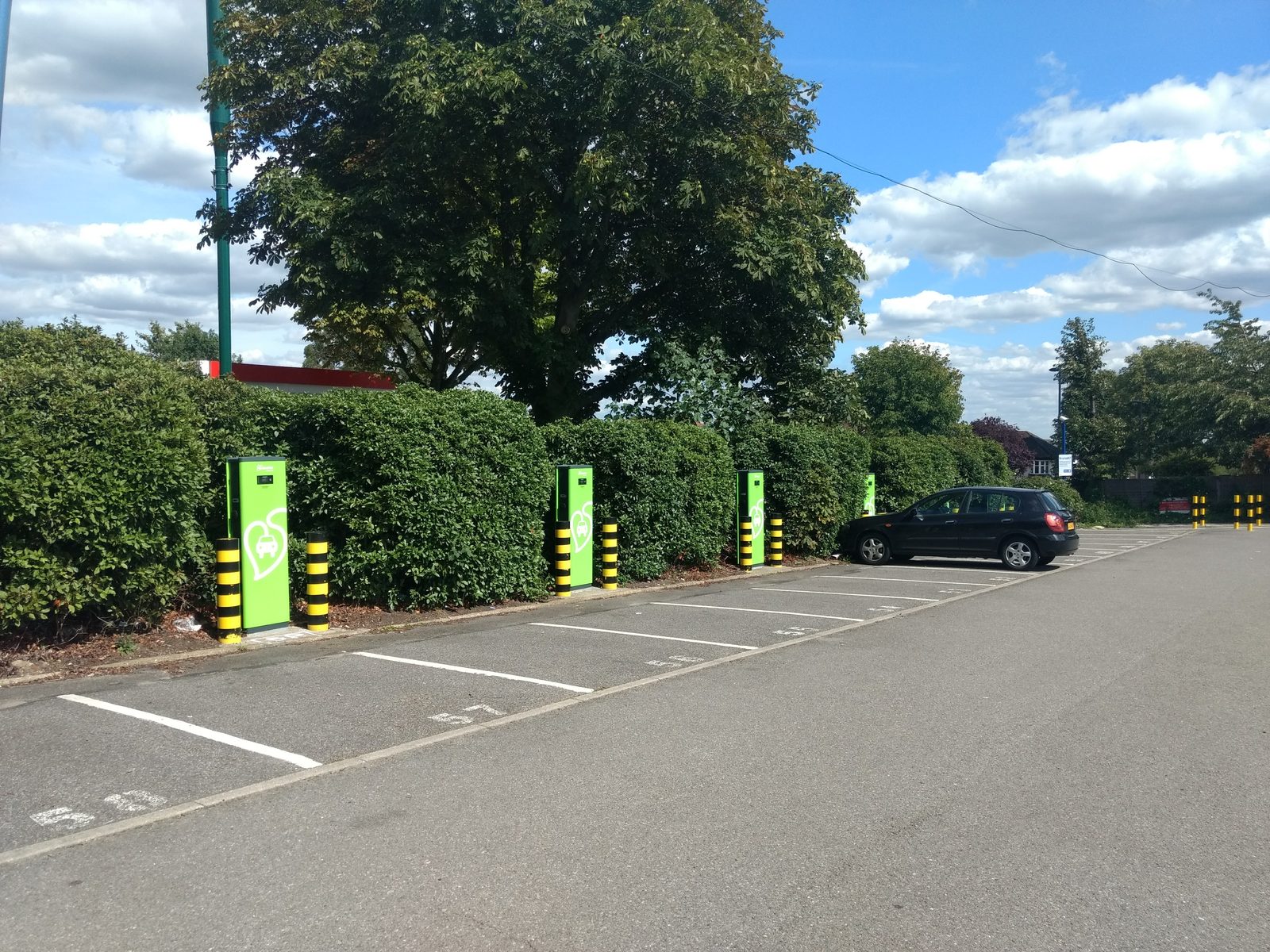
Planning permission dropped for cross-pavement home chargers, in a saving put at up to £300
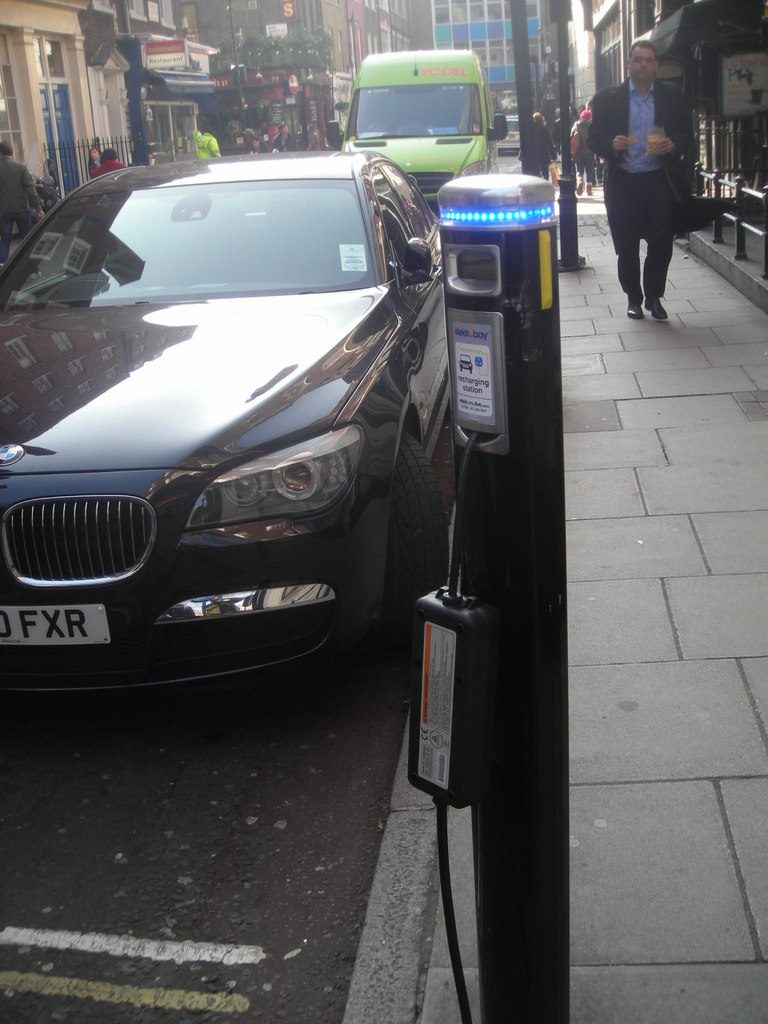
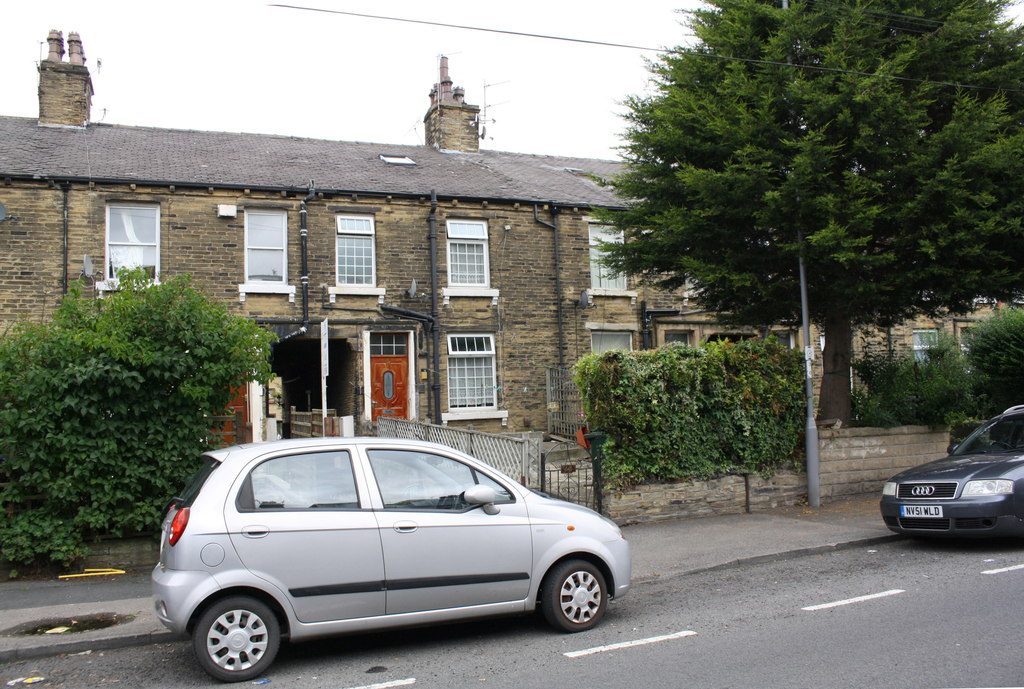
Drivers who park on the street can now fit a charger that runs under the pavement from their home without a planning application. Two consultations on renters and on covered car parks run alongside the change.
Households without a driveway no longer need planning permission to install a cross-pavement electric car charger, under a change that took effect on Wednesday. The chargers run under the pavement from a home to a car parked on the street, and the Department for Transport put the saving on installation at up to £300, with home charging available for as little as 2p per mile.
The point of the arrangement is price. A resident who parks on the street and can connect the car to a domestic supply pays household electricity prices rather than public charging prices, and the department put the possible saving on running costs at up to £1,750. Ministers presented the move as one of a set of practical measures on the cost of living.
The announcement arrived after a strong month for electric car sales. September brought nearly 100,000 electric cars sold in a single month, a rise of 36 per cent on a year earlier, which the department described as another record. It said more than 190,000 drivers have used the Electric Car Grant, taking as much as £3,750 off the price of a new electric car.
We’re saving drivers up to £300 off the cost of installing home charging by cutting unnecessary red tape.Simon Lightwood, Buses and Local Transport Minister, 21 October 2026
Simon Lightwood, the Buses and Local Transport Minister, said: “We’re saving drivers up to £300 off the cost of installing home charging by cutting unnecessary red tape.” Vicky Edmonds, the chief executive of EVA England, welcomed the change in terms of fairness between households. She said: “This might look like a small planning change, but for someone without a driveway, it could make the difference between being able to afford an electric car and ruling one out altogether.” EVA England research cited in the announcement found that, among petrol and diesel drivers with nowhere to park off the street, 60 per cent would never consider an electric vehicle.
Public charging is covered in the same package. Changes to permitted development rights are also intended to speed up the installation of larger, higher-powered public charging hubs and cut the cost for the operators who build them, so the policy works on both sides of the market: home charging for people who park on the street, and faster public provision for everyone else.
Two consultations opened on the same day and close on 16 December 2026. The first, covering England, proposes an “ability to charge” for tenants and leaseholders, with clearer guidance for landlords on how to handle requests and possible mandatory requirements that would make it harder for landlords and freeholders to refuse an application. The second looks at Part S of the building regulations in England, asking whether charge point requirements should extend to enclosed and open-sided covered car parks, and whether the £3,600 cap on installation costs in the current rules should be reviewed.
None to date. The Journal corrects errors promptly and transparently. Read our corrections policy.