Stronger safeguards for wheelchair users as airports act on damaged mobility aids and staff training
More than 1,000 wheelchairs were damaged in transit in 2023. An annual report from the Aviation Accessibility Implementation Group sets out what airlines and airports have changed since, and what the Civil Aviation Bill would add.
Airlines and airports are introducing new measures intended to keep wheelchairs intact in transit and to make sure disabled passengers get properly trained help throughout their journeys.
The scale of the problem is set out in a new report from the Aviation Accessibility Implementation Group, published on Monday alongside a Department for Transport announcement. More than 1,000 wheelchairs were damaged in transit in 2023, equivalent to more than 80 every month and 0.43 per cent of the wheelchairs transported that year. For a passenger who relies on a wheelchair every day, the department said, damage can leave that person without their independence, can cost them a holiday or an important work meeting, and can mean a lengthy wait while a specialist repair is arranged, with effects on physical and mental health as well.
The changes follow recommendations from Baroness Tanni Grey-Thompson, the former Paralympian who led an investigation into aviation accessibility. They are being implemented through the implementation group, a cross-industry advisory group set up by the Department for Transport. The group is independent, and the Government supports its work and its report. Its annual update covers five focus areas: training, information, tailored passenger experience, mobility aids, and non-visible impairments.
People must be able to fly with dignity and peace of mindHeidi Alexander, Transport Secretary, 19 October 2026
Some measures are already in place. A standardised form introduced in March allows passengers to share wheelchair battery and handling information before they travel, cutting the risk of a device being damaged in the hold. Staff awareness has been strengthened through training designed with disabled passengers, and a digital platform is to be trialled so that passengers can share their support needs before travelling, which could include buggy assistance in an airport, separate assistance queues at security, or a quiet waiting area before departure. The group has also pushed for assistance information to be reachable within one click on airline and airport websites.
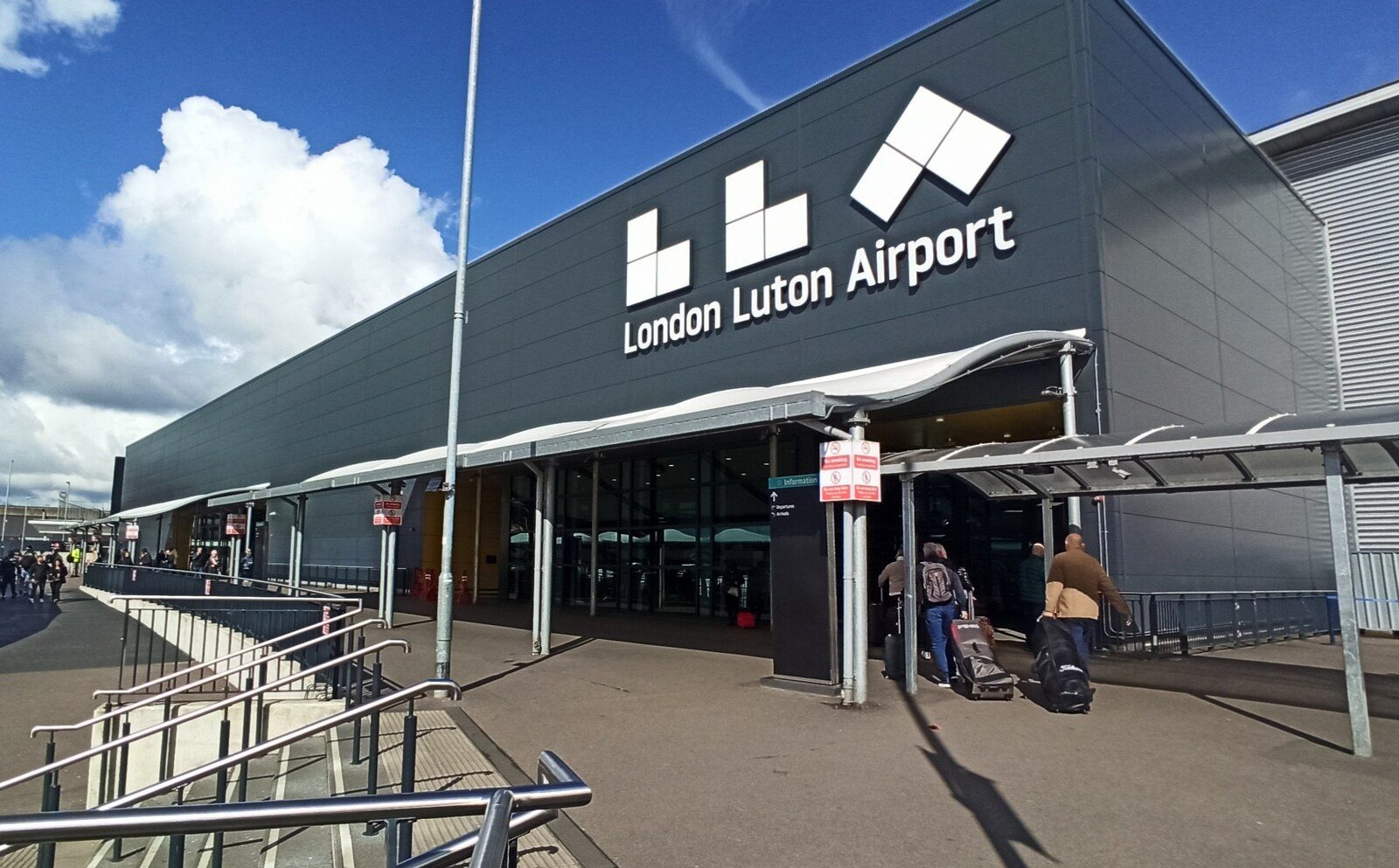
Individual airports have moved as well. London Gatwick produced a disability training video last year, showing staff the lived experiences of disabled passengers, and Luton has introduced detailed accessibility maps and independent journey materials for assisted travel passengers. Airlines, airports and mobility aid manufacturers have also formed a UK-first partnership covering wheelchairs and other mobility aids, particularly those with lithium batteries, so that they are safe to carry and better handled in transit.
The Transport Secretary, Heidi Alexander, said: “People must be able to fly with dignity and peace of mind.” She added: “We’ve backed industry to overhaul staff training, prevent damage to mobility aids and create easy, simple ways for passengers to share key information before they fly, so they can travel with greater confidence.” The co-chairs of the implementation group said: “We will be focussing now on embedding more of the changes that are needed to enable disabled people to fly with confidence and dignity.” Tim Alderslade, the chief executive of Airlines UK, said the number of passengers requiring assistance was up nearly 10 per cent year on year, and that 82 per cent report that they are satisfied with their air travel experience.
Stronger legal protection is still before Parliament. The Civil Aviation Bill would allow swifter and stronger action by the independent aviation regulator, including fines, when airlines or airports do not properly support disabled passengers or compensate cancelled flights. It would also end the current cap on compensation when a wheelchair or other mobility aid is lost or damaged on a domestic flight in the UK. A consultation on a further range of accessibility reforms is to launch within 12 months of the bill receiving royal assent.
None to date. The Journal corrects errors promptly and transparently. Read our corrections policy.