
Medicines regulator takes its AI and MedTech agenda to the United States as a Washington liaison role opens
Jessica Paulsen, the MHRA deputy director for AI and software, will address the AdvaMed conference on Tuesday, setting out a lifecycle approach to regulating AI-enabled medical devices and closer work with the FDA.
Britain’s medicines regulator will set out its developing approach to software and AI-enabled medical devices to industry leaders in the United States on Tuesday, with more flexible lifecycle regulation, regulatory sandboxes and closer international collaboration at the centre of the pitch.
Jessica Paulsen, the Medicines and Healthcare products Regulatory Agency’s deputy director for AI and software, is speaking at the AdvaMed conference on 20 October. Her appearance follows the publication of the MHRA 2030 Strategy, which plans a modern, adaptive framework for AI as a medical device, a new MHRA Centre for AI and Digital Health, improved device data and traceability, and greater use of arrangements under which the agency relies on, or recognises, decisions by regulators it trusts overseas, the FDA among them.
The strategy aims for the agency to set the global benchmark by 2030 for regulation of MedTech and AI that is both safe and nimble, so that patients can reach new technologies sooner without patient safety being weakened. This month the Government accepted all 44 recommendations of the independent National Commission into the Regulation of AI in Healthcare, which was led by NHS doctors, supporting a more proportionate, lifecycle-based approach to regulation.
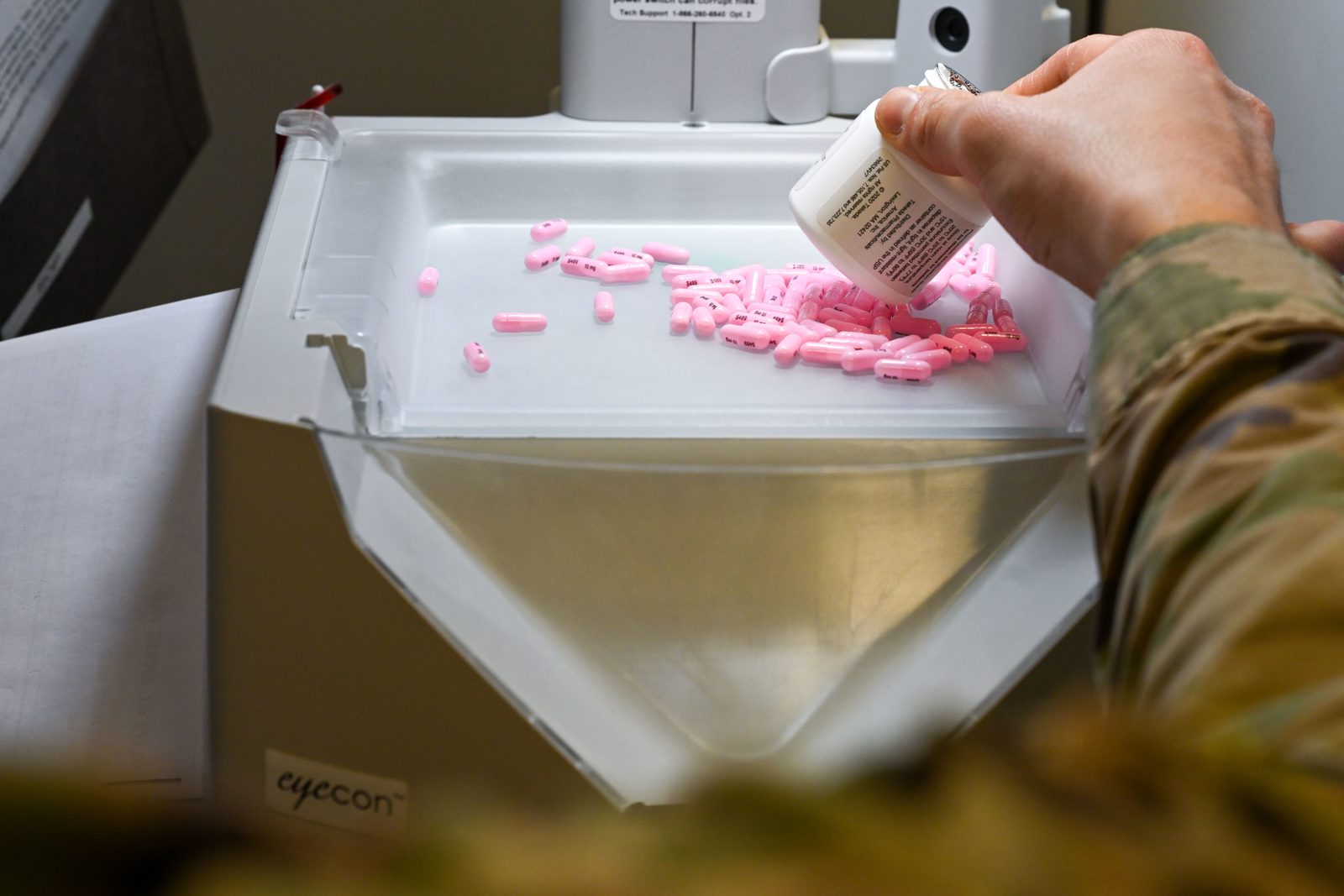
AI is changing medical technology, and regulation must keep pace.Jessica Paulsen, MHRA Deputy Director for AI and Software
The regulator is already testing that approach through its AI Airlock, a regulatory sandbox for AI-enabled medical devices. It has also formed fresh partnerships in the regions, among them NHS London and Manchester University NHS Foundation Trust, so that new technologies can be tried in everyday care settings and the results can shape how the rules develop.
Ms Paulsen said: “AI is changing medical technology, and regulation must keep pace. In the UK we are moving from policy into practice, using initiatives like AI Airlock to build a more proportionate, lifecycle-based approach.” She added: “These are global technologies, so close collaboration with the FDA and other regulators will be critical to giving innovators greater clarity while maintaining strong protections for patients.”
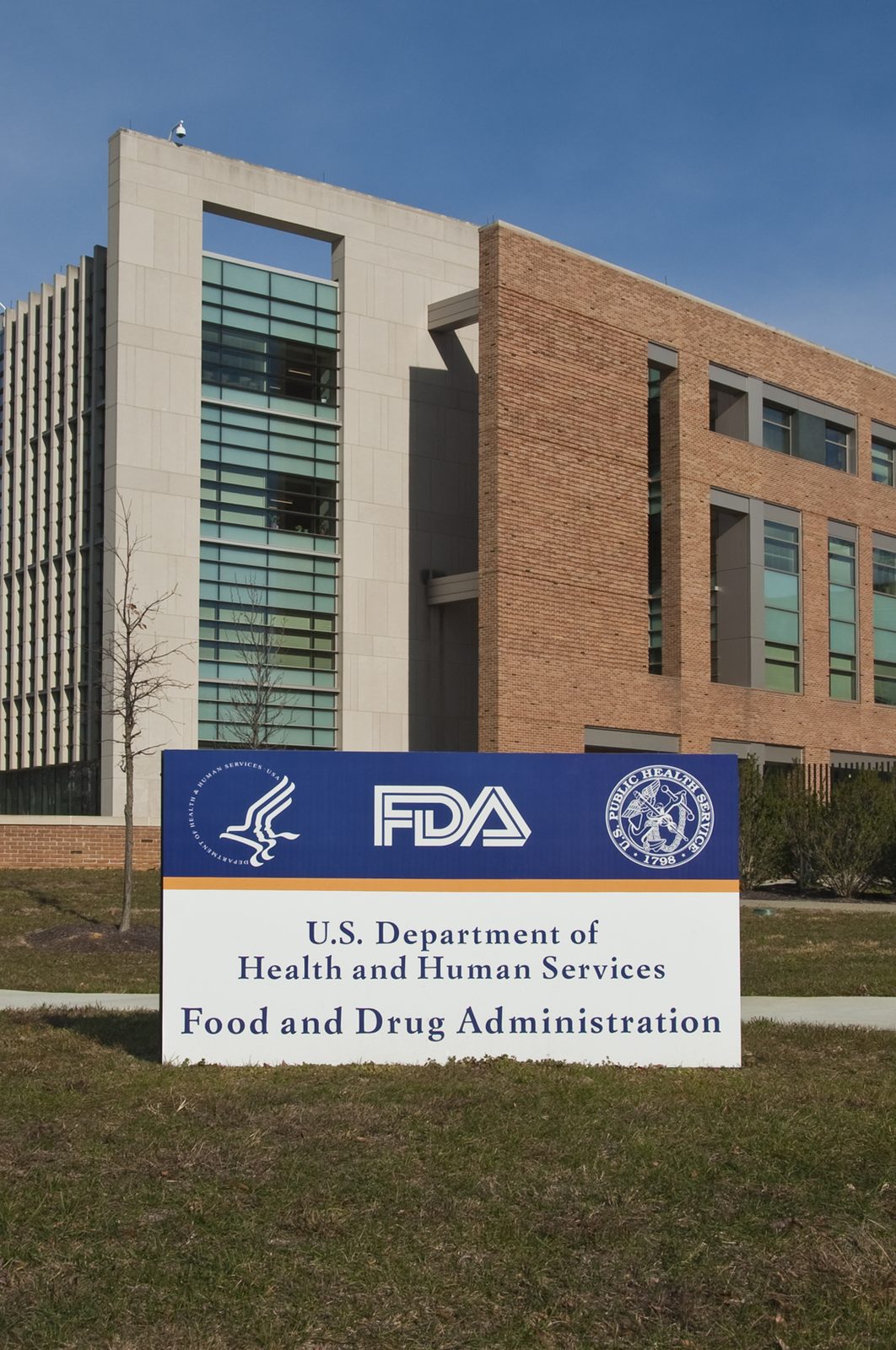
The transatlantic work has new infrastructure behind it. Under the MHRA-FDA Pioneer Programme, announced in June, each regulator hosts a dedicated liaison from the other. The aim is closer working day by day, more scientific exchange, and better coordination when new regulatory questions emerge. Each agency keeps its own decision-making independence. Recruitment is under way for the programme’s Washington-based liaison officer to the FDA, a regional deputy director post covering US partnerships.
Beyond AI and the international work, the agency is taking forward broader reform of device regulation. That includes stronger surveillance of devices after they reach the market, and planned changes to the law intended to make the framework quicker to adapt. Responsibility for regulating every medicine and medical device in the UK sits with the MHRA, which works as an executive agency within the Department of Health and Social Care.
None to date. The Journal corrects errors promptly and transparently. Read our corrections policy.