Inflation rises to 3.6 per cent as motor fuel drives the increase and core prices hold steady
Consumer prices rose by 3.6 per cent in the year to October, the Office for National Statistics reported on Wednesday, with diesel at its highest price since records began in 1996, petrol at 174.7p a litre, and the core rate unchanged at 2.8 per cent.
Inflation edged up in October. The Consumer Prices Index rose by 3.6 per cent in the 12 months to October, from 3.5 per cent in September, and prices rose by 0.5 per cent during the month itself, against a 0.4 per cent rise in October 2025. The broader CPIH measure, which adds owner occupiers' housing costs, rose by 3.7 per cent over the year, up from 3.6 per cent. On the measure the Bank of England targets, the rate was last higher in September 2025.
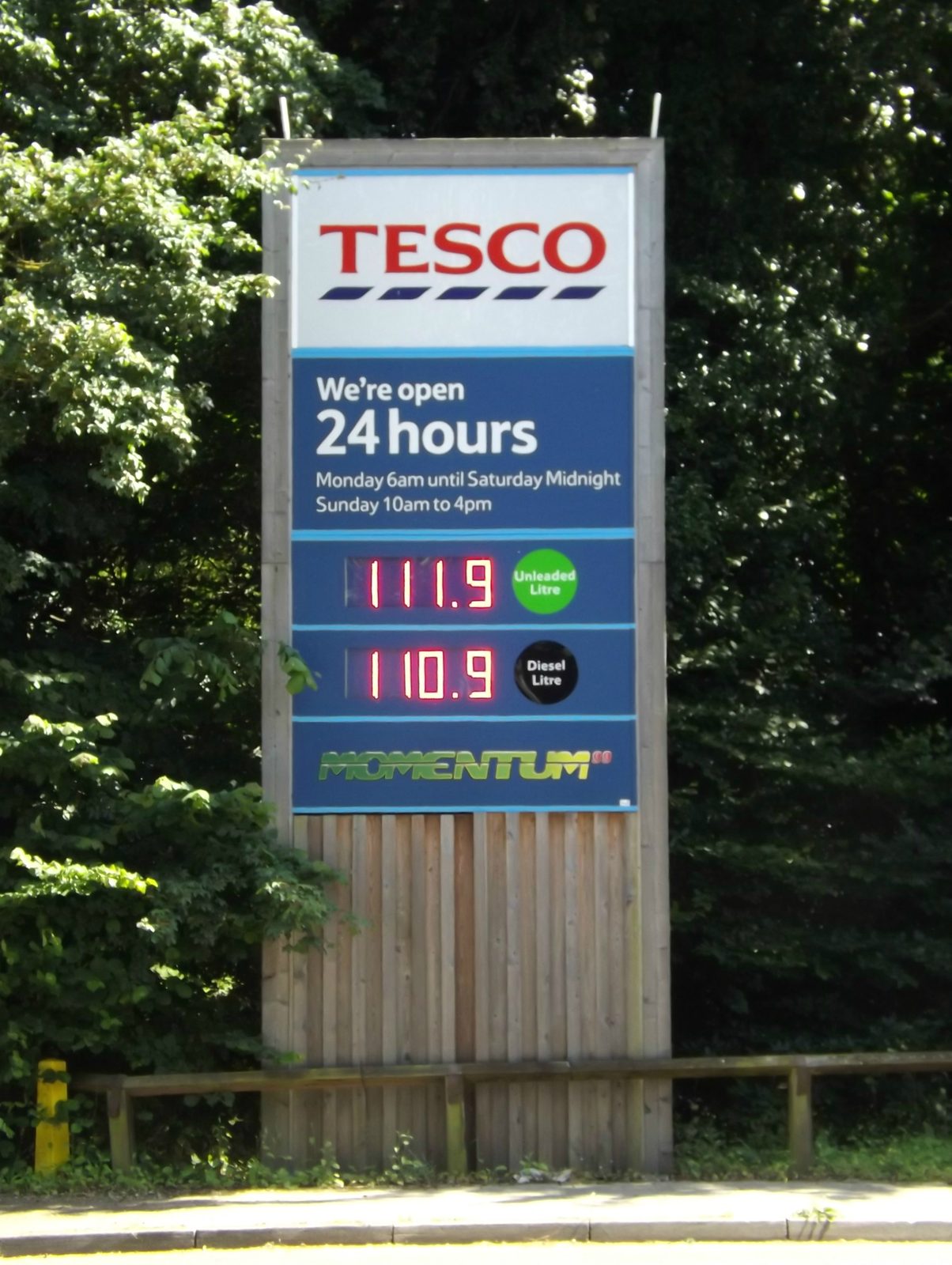
The engine of the increase was the forecourt. Prices across the transport division rose by 7.5 per cent over the year, up from 6.6 per cent, and motor fuels alone were 33.2 per cent dearer than a year earlier, against 29.8 per cent in September, in the steepest annual rise since July 2022. Average petrol reached 174.7p a litre after a 5.2p rise during the month, its highest level since August 2022. Diesel rose by 7.0p to 199.5p a litre, the highest average the statistics office has recorded since the series began in January 1996.
Beneath the headline, the underlying measures barely moved. Core inflation, which strips out energy, food, alcohol and tobacco, stayed at 2.8 per cent, and services inflation was little changed at 3.7 per cent. Goods inflation, by contrast, climbed from 3.2 per cent to 3.5 per cent, its highest since September 2023. The pattern is of an increase carried by fuel and goods rather than by a fresh broadening of price pressure across services.
Transport, particularly motor fuels, made the largest upward contribution to the monthly change in both CPIH and CPI annual ratesOffice for National Statistics, Consumer price inflation, UK: October 2026
Two household categories pulled in opposite directions inside the energy and leisure figures. Gas prices rose by 6.3 per cent during October, against 0.9 per cent a year earlier, as the change in the Ofgem price cap took effect; the regulator estimated the cap at the equivalent of an annual bill of 1,935 pounds for an average household on the previous consumption values, a rise of 73 pounds. Electricity moved the other way, falling by 0.8 per cent against a 2.4 per cent rise a year ago, helped by the cut in VAT on electricity from 5 per cent to zero from 1 October. Owner occupiers' housing costs rose by 4.0 per cent over the year, little changed.
Elsewhere the pressure eased. Food and non-alcoholic drink inflation slowed to 0.9 per cent from 1.3 per cent, the lowest for that division since September 2021, and prices in restaurants and hotels rose by 3.4 per cent over the year, down from 3.8 per cent, giving the largest downward contribution to the change in the annual rate. Alcohol and tobacco went the other way, up to 4.5 per cent from 2.5 per cent, after tobacco prices jumped by 5.2 per cent in the month; the statistics office says the timing of this year's duty increase, which took effect on 1 October rather than in late November as in 2025, may have played a part.
The figures land a fortnight after the Bank of England raised Bank Rate to 4 per cent. The Monetary Policy Committee voted by eight to one at its meeting ending on 4 November to lift the rate by a quarter of a point, with the dissenting member preferring a rise to 4.25 per cent, and the Bank expects inflation to climb to around 5 per cent by the middle of next year before falling back as the effect of higher energy prices fades from the annual comparison. October's reading, driven by fuel while core and services rates held steady, is consistent with that story so far, and the next test comes with the November figures on 16 December.
None to date. The Journal corrects errors promptly and transparently. Read our corrections policy.