Around 200 Local Police Commands to anchor a three layer policing system, Mahmood tells police leaders
The Home Secretary used her speech to the NPCC and APCC summit on Wednesday to set out a bottom up structure for policing in England and Wales: local commands of roughly unitary authority size, specialist services above them, and a National Police Service at the top, alongside a new impartiality standard and a leadership fast stream.
Policing in England and Wales is to be rebuilt from its smallest unit upwards. Home Secretary Shabana Mahmood told the annual summit of police chiefs and police and crime commissioners on Wednesday that around 200 Local Police Commands will be created, each one a self contained local force in miniature with a single task: tackling the offences that shape daily life in its area, including burglary, vehicle and phone theft and antisocial behaviour. The Home Office calls the package the biggest reform of policing in two centuries; Mahmood, in her speech, put it as the most significant since at least the 1960s.
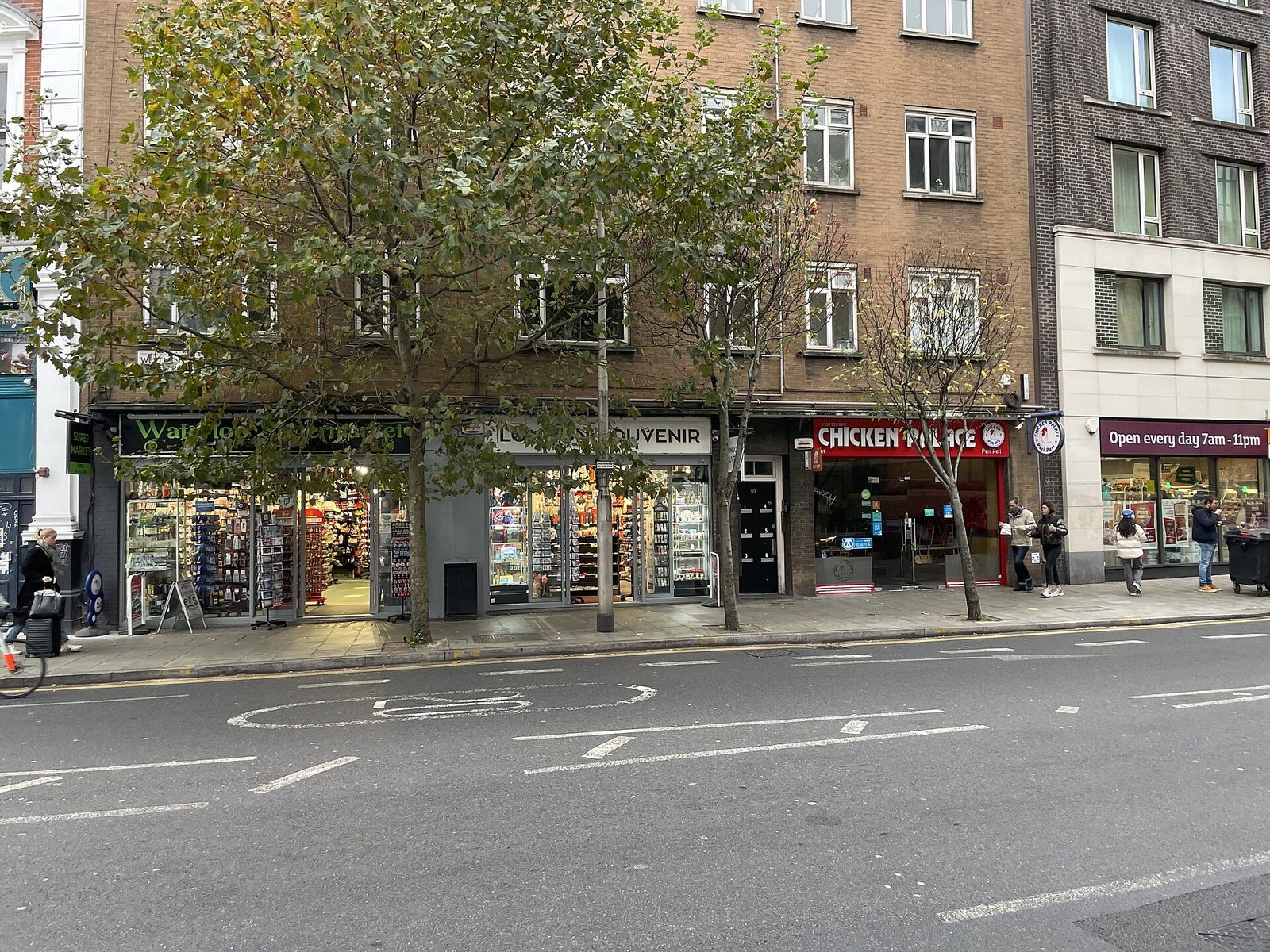
The commands are drawn to human scale. Each will roughly match the size of a unitary council area, so one might cover a town such as Middlesbrough or a rural area such as Rutland, and bigger authorities may hold more than one. Every command gets a named commander, accountable to residents and to elected officials, with both able to help set its priorities. A new Local Police Guarantee will set the same national standards for every command, with performance monitored through a national framework, in an attempt to end the variation Mahmood highlighted in her speech: on her figures, a shop theft is three times more likely to be solved in one area than in the worst performing area, a residential burglary four times, and a car theft eight times.
Above the commands sit two further layers. Specialist police services will run the most serious and complex investigations and supply the functions smaller forces struggle to sustain alone, among them public order, forensics, major crime investigation, firearms and roads policing. Removing the duplicated administration of the existing 43 force headquarters is meant to free thousands of officers for neighbourhood work. At the top, a National Police Service will handle national and international threats; over time, the National Crime Agency and Counter Terrorism Policing are to be folded into it, it will lead on fraud, and the six existing national policing bodies, including the College of Policing and the National Police Chiefs' Council, will be brought under one roof. How many specialist services there will be is still undecided: Mahmood said work on the final number, informed by a report from Lord Hogan-Howe, is continuing.
Local policing is the bedrock of all policing. Where it is visible and effective, a sacred bond between officers and communities is built.Shabana Mahmood, Home Secretary, in the Home Office announcement of 18 November 2026
The structural plan came with two announcements on standards and leadership. The College of Policing has been commissioned to write a new impartiality standard, setting out in practice how officers should police events, handle community engagement and treat victims and offenders without prejudice, favouritism or discrimination; it will go to consultation early in the new year. And a fast stream for leadership will open next year, taking up to 200 recruits a year from inside and outside policing onto a path of five to ten years towards superintendent rank, in response to the Police Leadership Commission led by Lord Blunkett and Lord Herbert.
Mahmood framed the reforms as an answer to falling trust. She told the summit that violent crime is at its lowest since records began in 1981, and that since the Government took office knife crime has fallen by 11 per cent, gun crime by 18 per cent and homicide by 7 per cent, yet trust and confidence in policing have both fallen over the last decade. She also pointed to the standards problem the new system inherits: 16,000 allegations of police misconduct in the year ending March 2025, a fifth more than the year before. The case for the local layer, as she put it, is that neighbourhood policing is where the public actually meets the police, and where that presence is missing, distrust grows.
Reaction inside the service was welcoming, with conditions. Blair Gibbs of the Police Foundation backed the local organising principle but warned that if larger regional forces follow, the commands must keep real autonomy, because crime priorities differ between towns and boroughs. Dal Babu, a former Metropolitan Police chief superintendent, said the new units should cut bureaucracy and sharpen the focus on crime inside communities. The British Independent Retailers Association, whose members trade on the high streets the commands are meant to protect, said its hope was for a specialist focus on retail crime. The detail that will decide whether the structure works, from command boundaries to the specialist services count, is still to be published.
None to date. The Journal corrects errors promptly and transparently. Read our corrections policy.