Immigration and Asylum Bill reaches its final Commons stages with the removal notice rewritten
MPs complete the remaining Commons stages of the Immigration and Asylum Bill today. Among the government amendments is a new clause that moves the removal notice to before appeal rights are exhausted and then allows removal at any point in the six months that follow.
The Immigration and Asylum Bill returns to the Commons floor today for its remaining stages, the last step in the lower House before it passes to the House of Lords. The House of Commons Library records that the Bill has completed its second reading and committee stages, and the Commons business statement for this week lists the remaining stages for today, Tuesday 17 November.
The Bill that reaches the floor today is not the Bill that was introduced. At committee stage, the Government added ten new clauses, summarised by the Commons Library. Among them are fuller detail on how late claims work when someone is resisting imminent removal, and a new power for the Home Secretary to deport Commonwealth citizens who have been living here since before 1973, a provision the Library notes was designed with a particular person in mind.
For the report stage, the Government had tabled 32 further amendments at the time the Library's progress briefing was written. The Library summarises three groups: less notice for migrants before they are physically removed from the United Kingdom, a widening of who falls under the Bill's late claims process, and new limits on appeals to the Upper Tribunal, whether they come from the existing First-tier Tribunal or from the body due to replace it.
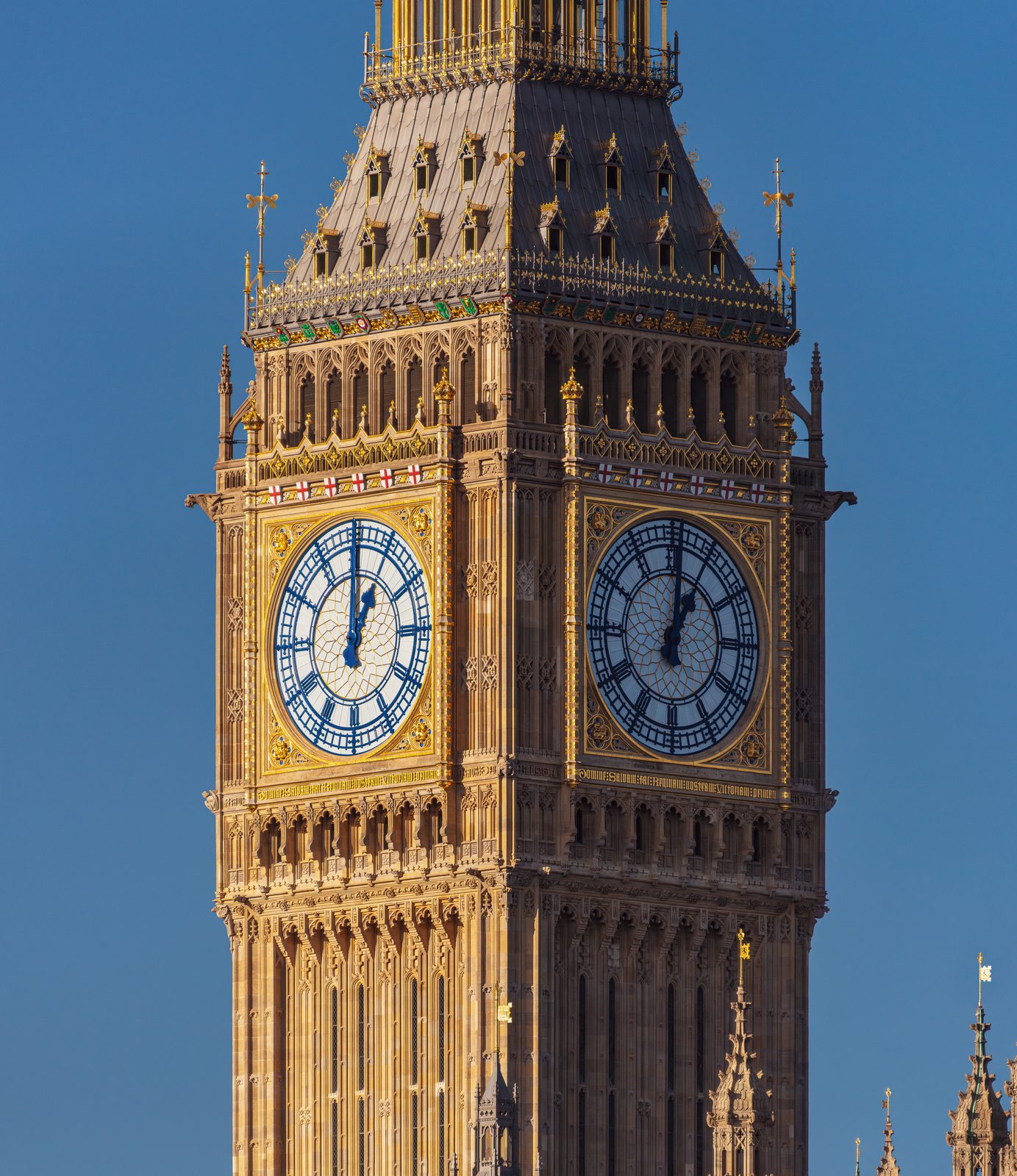
The Immigration and Asylum Bill was introduced in the Commons on 30 June 2026 and has completed second reading and committee stages. It is due for remaining Commons stages on 17 November, after which it will pass to the House of Lords.House of Commons Library, Immigration and Asylum Bill: Progress of the bill
The notice change is set out in a government new clause printed in the amendment paper dated Monday 16 November. The clause would insert a new section 10ZA into the Immigration and Asylum Act 1999, covering a person who is liable to removal under section 10, who has brought, or had the right to bring, appeal proceedings before the Independent Immigration Appeals Authority, and whose appeal rights are exhausted. It provides for two documents: a notice of intention to remove, and a notice of departure details, which must be given before the person is removed.
The Home Office explained the design in a supplementary memorandum to the Delegated Powers and Regulatory Reform Committee, dated 10 November 2026. Under the existing scheme, in section 10A of the 1999 Act, that notice has to allow at least five working days before the removal itself. Under the new section, the notice is given at least five working days before the person's appeal rights become exhausted, and the person can then be removed from the point of exhaustion up to six months later with no further notice. The memorandum presents that timing shift, notice moved earlier and a six month window after it, as the difference between the two schemes.

The same amendment paper carries a second government clause on the new appeals body, providing for investigation of the Independent Immigration Appeals Authority by the Parliamentary Commissioner, by inserting a new section into the Parliamentary Commissioner Act 1967. The notice clause itself is subject to the existing restrictions on removing children and their parents in section 78A of the Nationality, Immigration and Asylum Act 2002, and to the one month notice period for EEA removals in the EEA Regulations 2016, as the clause text records.
Nothing in today's proceedings makes the Bill law. What MPs decide at the remaining stages settles the text that goes to the Lords, where the same provisions, including the rewritten removal notice, face a second House's scrutiny. The Bill makes provision about immigration, asylum and modern slavery, and its final shape will be determined by both Houses.
None to date. The Journal corrects errors promptly and transparently. Read our corrections policy.