Burnham sets a Makerfield Test for policy and puts Friday's EU deal through it first
In his Lord Mayor's Banquet speech, the Prime Minister said every policy should be judged by whether it improves life in the least well-off communities, and set three tests for the deal on the table at Friday's UK-EU Summit in Brussels.
The Prime Minister used his speech at the Lord Mayor's Banquet on Monday evening to name the test by which he wants his Government judged. The Makerfield Test, named after his own constituency, means judging all policies through the lens of the least well-off communities and whether a policy will make life better there or worse. He applied it in the speech to foreign policy, and first of all to the proposed deal on the table at Friday's UK-EU Summit.
The domestic frame for the test arrives next month. The Plan for Britain, to be published in December, was described as a ten year roadmap and a circuit-breaker, which he said would shift more power out of Westminster and Whitehall than any previous reform. Makerfield itself voted clearly to leave the EU, as did many deindustrialised communities, and in his account the referendum message was aimed as much at Westminster as at Brussels.
On foreign policy, the speech announced a repositioning and a break from the last ten years. Values and interests, he argued, are not a false choice: leading with values builds the goodwill that secures interests, and Britain should recover its traditional role as an honest broker and coalition builder. Britain's response to the war in Ukraine, consistent under both parties, was offered as the standard to apply across the board: support for Ukraine for as long as it takes, and continued pressure on Russia to agree a full and immediate ceasefire.
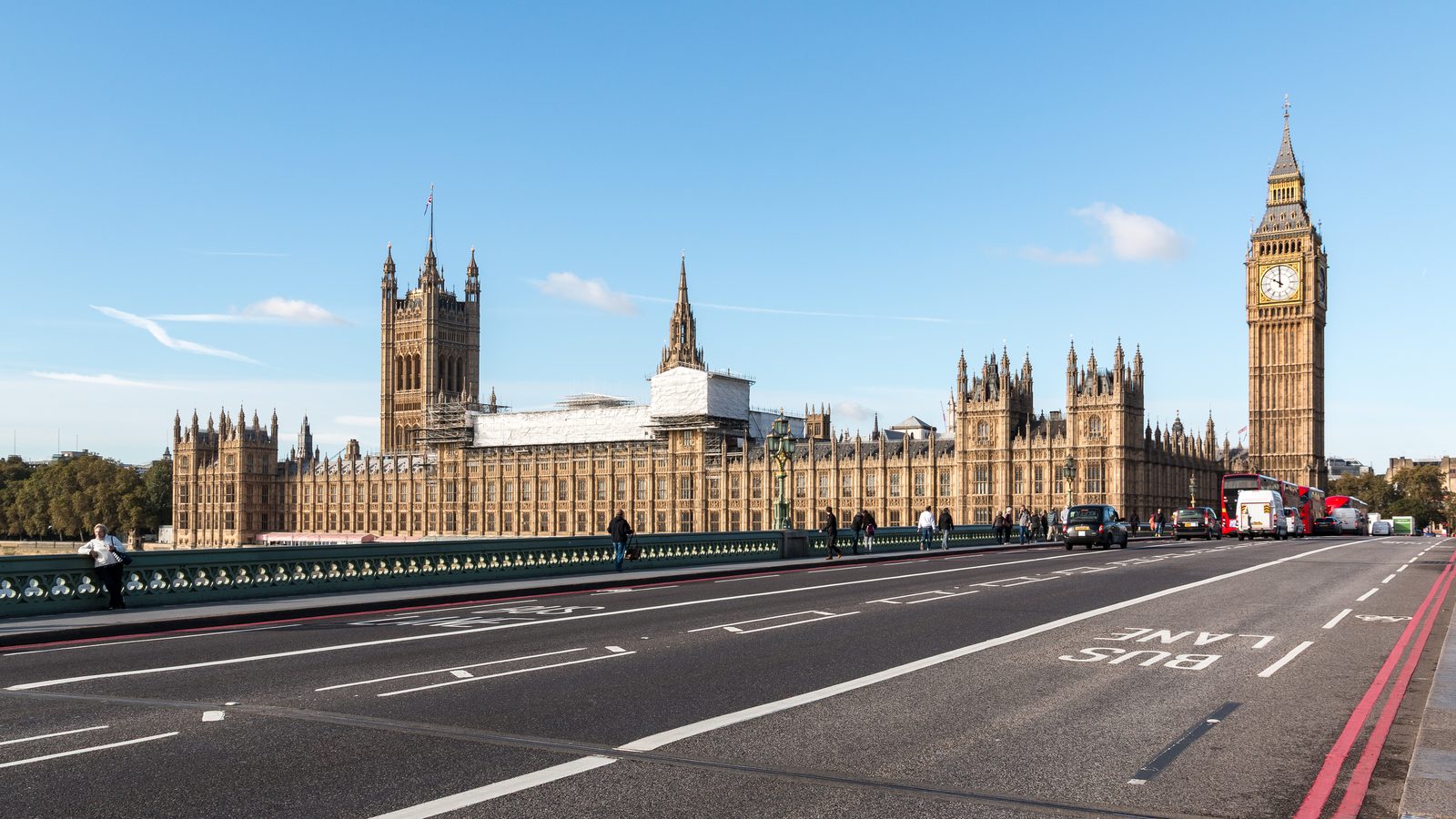
It is a new approach to government - judging all policies through the lens of our least well-off communities and whether they will make life better there or worse.Andy Burnham, Prime Minister, in his speech at the Lord Mayor's Banquet, 16 November 2026
The Commonwealth was the second of three resets. The Prime Minister put the Commonwealth at 2.7 billion people with a combined GDP of around $16 trillion, and said Britain had failed to invest in modernising it and had ducked discussion of the legacy of slavery. His new approach, decided at this month's Commonwealth meeting, is a structured dialogue over 2027 and new work on debt and development finance, with the issues put back on the G20 agenda. Reparations, he said plainly, will not be paid.
Europe was the third reset, and the one with a deadline. Any deal at Friday's summit has to pass three tests, he said: it must be consistent with the Government's manifesto and red lines; it must improve on the present Brexit deal, bringing it nearer to what people believed they were voting for in 2016; and it must pass the Makerfield Test by producing real improvements in people's everyday lives in areas that have felt neglected for too long. The improvements he named were help with living costs and with the price of the weekly shop, where he said the head of M&S Food believes this deal will deliver, reduced red tape and costs for business, progress on bringing down electricity bills, and more joint work on small boat crossings and illegal immigration. He said that if the deal delivered all of this, he would agree it.
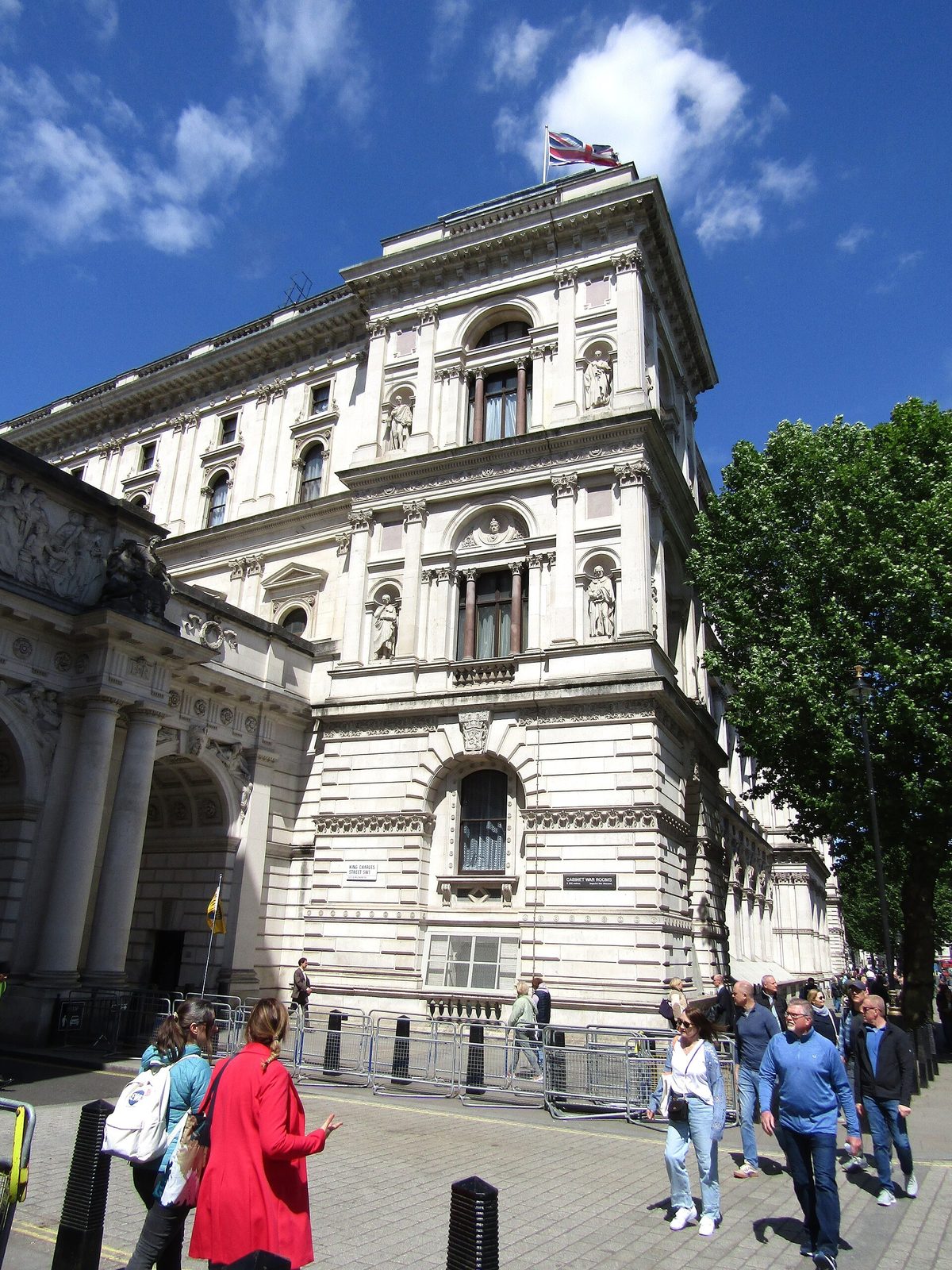
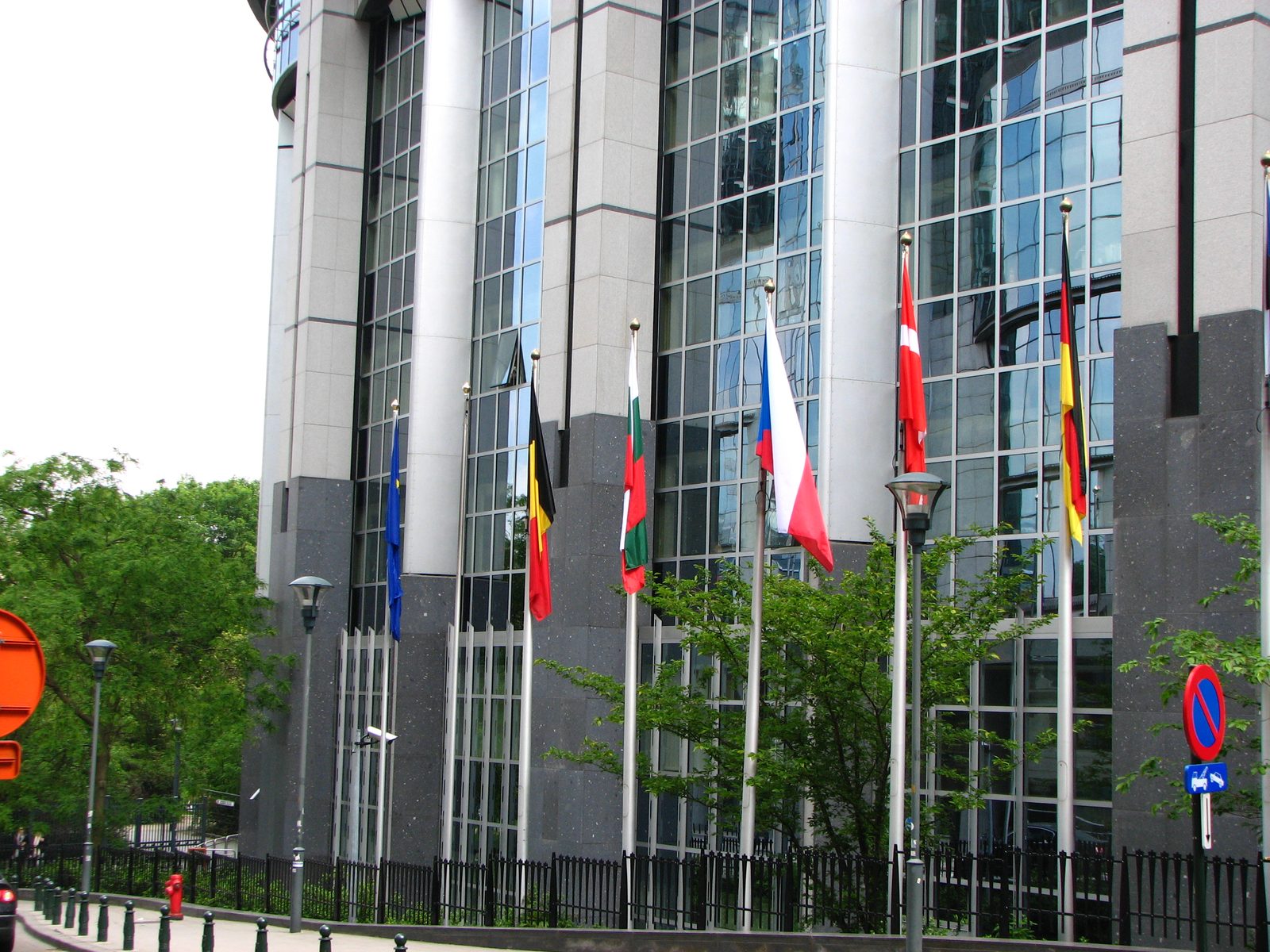
The summit itself is the second of its kind. Brussels hosts it on Friday 20 November: António Costa, who presides over the European Council, and Ursula von der Leyen, who leads the European Commission, will welcome the Prime Minister there, in what the European Council's forward look calls an opportunity to strengthen the strategic partnership and take a common stance on peace and security in Europe. The EU's diplomatic service adds that leaders will take stock of progress since the first summit, held in London in 2025, across energy, agrifood rules, climate policy, migration and law enforcement, people-to-people contacts, and the defence and security partnership, and are expected to issue a joint declaration.
Beyond Friday, the Prime Minister opened a longer argument. After the summit, he said, Britain will initiate a discussion with its EU partners about options for the long-term relationship, and those options and the Government's assessment of them will be presented to inform decisions in the next Parliament. In the meantime, Britain takes on the Presidency of the G20 next year and the G7 Presidency in 2028, and he trailed a Manchester Compact on AI as the goal for next November's leaders' summit. A country that meets the Makerfield Test, he concluded, will also pass what he called the London Test.
None to date. The Journal corrects errors promptly and transparently. Read our corrections policy.