Visitor levy Bill reaches its second reading as MPs debate a charge on overnight stays
The Bill that would let mayors in England charge a percentage levy on overnight accommodation is debated in the Commons today, with two opposition parties seeking to stop it over the absence of a cap in the legislation.
MPs debate the Visitor Levy (England) Bill at its second reading in the House of Commons today. The debate, scheduled for this afternoon, is the first chance for the Commons to vote on the general principles of a Bill that would give mayors and other strategic authorities in England a power none of them currently has: to add a locally set charge to the cost of a night's stay in commercially let accommodation.
The Bill had its first reading on 4 November. The House of Commons Library records that the Government committed to introduce an Overnight Visitor Levy Bill in the 2026 King's Speech, consulted on the power in November 2025 and published its response to that consultation in September 2026. The Bill extends to England and Wales but has effect in England only, because strategic authorities exist only in England. Scotland and Wales have already legislated to let their local authorities establish visitor levies.
The charge is designed as a percentage, not a flat fee. Ministers say the charge must be set as a percentage of what a stay costs, not as the same flat amount for every booking, so a cheaper room attracts a smaller charge than an expensive one. Ten mayors have promised to keep any levy in their areas at or below 5 per cent. That commitment is a pledge by the mayors who made it: the Hansard Society's preview of today's business notes that the amendments tabled against the Bill object to the absence of a cap on the levy in the legislation itself.
Every pound raised through these levies will stay in the local area.Angela Rayner, Secretary of State for Housing, Communities and Local Government, in the Government announcement of 4 November 2026
Nothing could be charged quickly, even if the Bill passes. An authority that wants a levy must first publish a draft plan and an impact assessment setting out the proposed rate, any threshold and exemptions, how the money would be spent and the expected impact on the local economy, businesses and visitors. It must then consult local people and businesses, seek the necessary agreement within its strategic authority, publish the responses and issue final versions of both documents. Where the authority is a foundation strategic authority, every member must agree before a levy can proceed, and every authority with a levy must publish an annual report on what it raises and spends.
The scope of any charge is bounded. The levy would apply only to the first 28 consecutive days of a stay, because longer stays count as long term accommodation. National exemptions will cover student accommodation, care homes, children's homes and school boarding houses, and temporary accommodation, shelters and refuges will not be charged. Occasional hosts, such as people who rent out a spare room from time to time, would pay only if they earn above a set amount, and local leaders may adjust that threshold. Hotels and other accommodation providers would be responsible for accounting for and paying the levy.
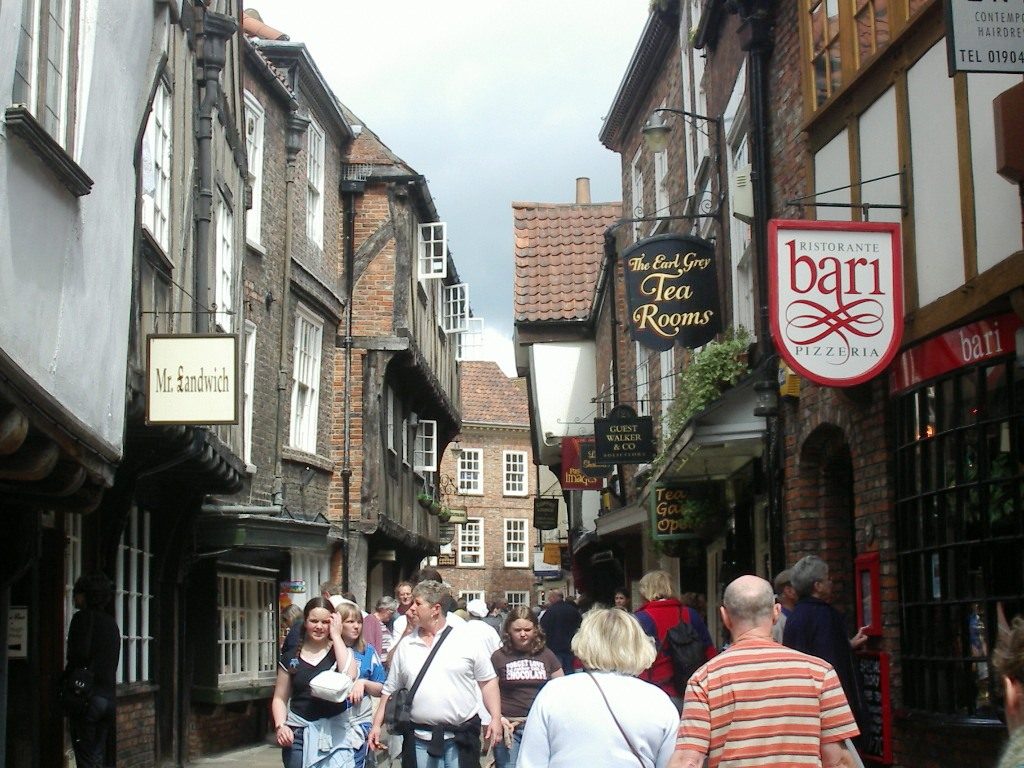
Ministers present the Bill as fiscal devolution in practice. The Government describes its introduction as the most significant step in making fiscal devolution a reality, and says money raised will stay in the local area for investment in the places and services used by visitors and residents, from better high streets and public spaces, including public toilets and parks, to cultural events, security and destination promotion. Greater Manchester points to its own precedent: a charge of £1 per room per night, introduced through a Business Improvement District in 2023, raised £2.8 million in its first year and helped to increase street cleaning across the city.
The Bill does not pass unopposed today. Liberal Democrat and Reform UK MPs have each tabled a reasoned amendment asking the House to decline to give the Bill a second reading. According to the Hansard Society, both amendments object to the absence of a cap and warn about pressure on the visitor economy, though their emphasis differs: the Liberal Democrats argue the Bill provides insufficient local control, flexibility and safeguards, while Reform UK focuses on costs to holidaymakers and potential job losses. Only one reasoned amendment can be selected by the Speaker, so neither party is guaranteed a vote on its wording.
None to date. The Journal corrects errors promptly and transparently. Read our corrections policy.