Britain sanctions eight settlement building firms and a group blocking aid to Gaza
The Foreign Office has imposed asset freezes and director disqualifications on eight construction and property companies involved in West Bank settlements, and on Tzav 9, in the first sanctions package since ministers reset policy on Israeli actions in the West Bank in September, and days before the final E1 tender deadlines.
Britain has sanctioned eight companies that build in Israeli settlements in the occupied West Bank, and an activist movement accused of blocking humanitarian aid bound for Gaza, the Foreign Office announced on Tuesday. Each designation carries an asset freeze and a director disqualification. The department says the measures are meant to disrupt the firms' flow of finance and their ability to support further settlement construction.
The companies named are construction, property development and architectural businesses that, on the Government's account, have been involved in planning settlements, building and supplying their housing, and marketing homes there. They include Har Hevron Development Company Ltd, which carries out construction and infrastructure work for settlements and outposts in the southern West Bank, Hemdat Shomron Ltd, a developer building and marketing homes in settlements including Einav and Dolev, and S.A.G. (Velvel) Construction and Development Ltd, a contractor working in settlements including Efrat and Eli. The remaining five are Lev HaHar Yazamut Ltd, Harey Zahav, Ariel Residential Judea & Samaria Ltd, Ami Gvirtzman Architects 2021 Ltd and Z.F. Building Company Ltd.
The package is the first since the Government reset its West Bank policy in September, and it delivers on a pledge the Foreign Secretary made on 8 September to respond to the accelerating pace of settlement expansion. It arrives just before the final deadlines for the E1 tender. The Government says E1 would drive a wedge through the middle of the territory, cutting East Jerusalem off from the rest of the West Bank, and it repeats its position that settlements are a flagrant breach of international law. More settlements, it notes, have been approved in the four years of the current Israeli government than in the previous twenty years.
Protecting the two-state solution is the North Star of this Government’s approach.Ed Miliband, Foreign Secretary, in the Foreign, Commonwealth and Development Office announcement of 17 November 2026
Foreign Secretary Ed Miliband said: “That is why my message on E1 is clear: do not bid, do not build, and do not profit from the destruction of the two-state solution. And we will not stand by while those blocking desperately needed aid deepen the intolerable suffering of civilians in Gaza.” He added that the status quo in the West Bank and Gaza is unacceptable, and that Britain wants to work constructively with the Palestinian Authority and with a new government in Israel.
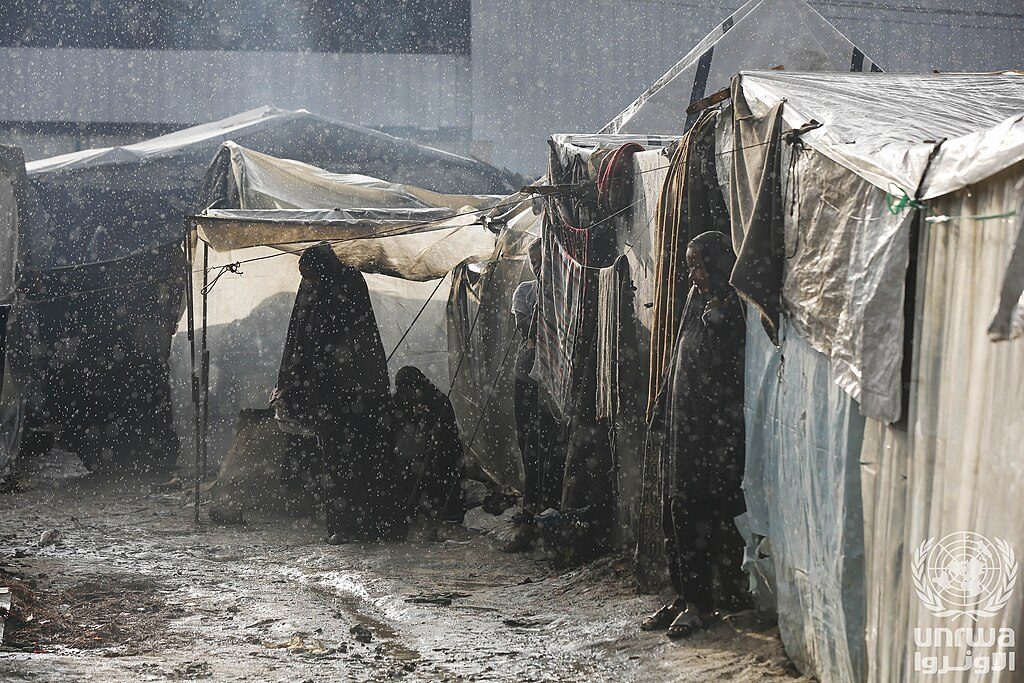
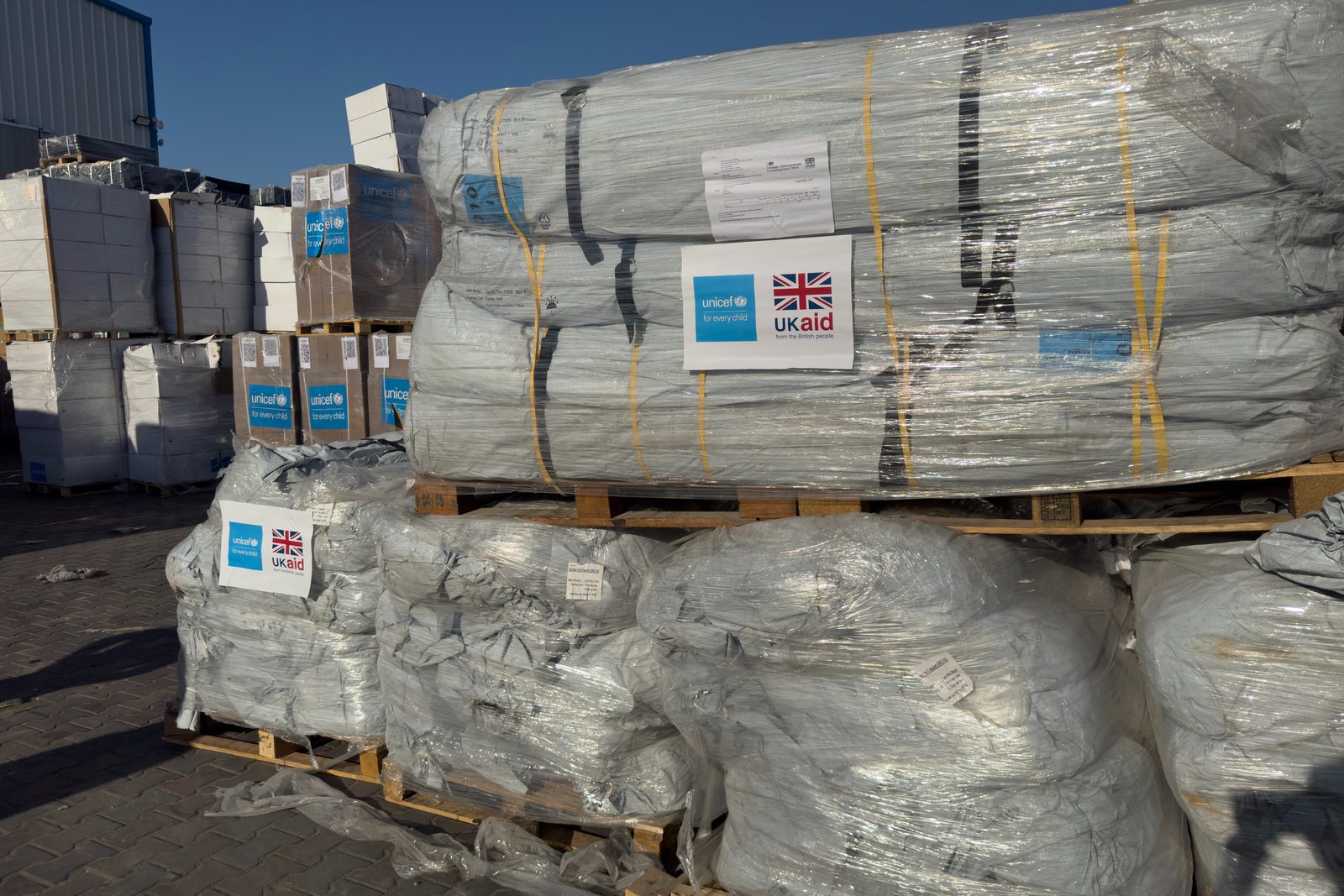
The ninth designation is Tzav 9, an Israeli activist movement which, the Foreign Office says, exists to stop humanitarian aid reaching Gaza, and which has blockaded crossings, ports and roads used by aid convoys, most recently in October. The announcement sets out the conditions that frame the aid dispute: catastrophic floods have left nearly 4,000 households without shelter and 1.4 million people in tents or makeshift shelters, and, according to the UN, more than 150,000 tents and 300,000 tarpaulins bought by humanitarian partners and donors are outside Gaza awaiting entry, held by the Israeli authorities, who also continue to block timber, leaving no emergency shelter kits available.
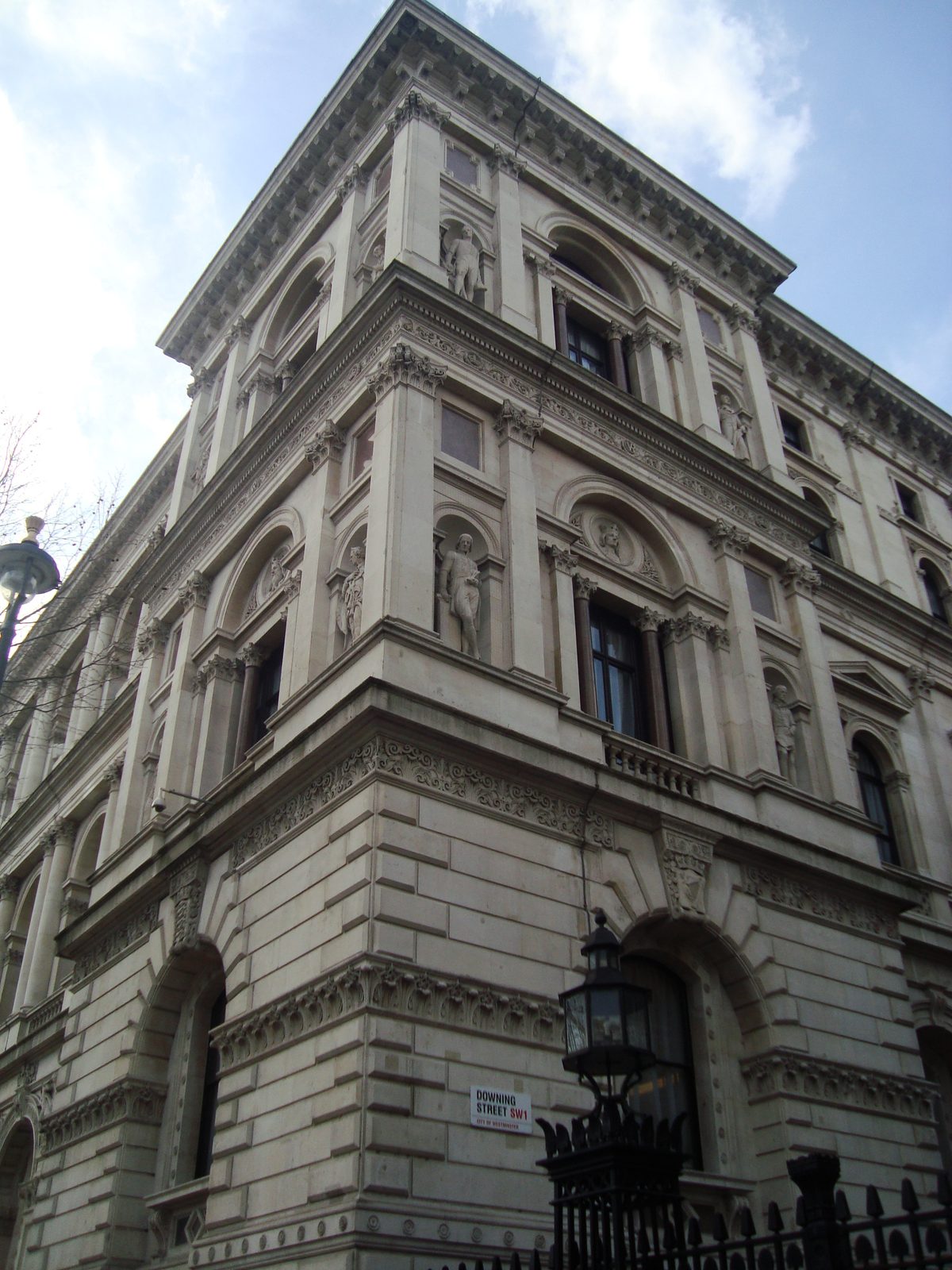
The sanctions sit inside a wider week of British pressure and support. On 12 November the UK announced a further £5 million for UNICEF's winter programme, on top of £14 million already provided to UNICEF this year, within an £88 million allocation for humanitarian and early recovery support this financial year, and convened more than 50 partners at the UN to call for more aid to be let in. The designations themselves were made under the expanded Global Human Rights and International Humanitarian Law sanctions regime, whose legislation was laid on 13 October and widened the existing regime to cover serious violations of international humanitarian law anywhere in the world.
Two things remain in development rather than in force. The Foreign Office is preparing separate legislation, first announced in September, to stop goods from the settlements being imported and to ban the advertising of settlement properties to buyers in the UK. And the Government restates the distinction at the centre of its policy: it welcomes and encourages trade with green line Israel, and firmly distinguishes that trade from activity in the settlements.
None to date. The Journal corrects errors promptly and transparently. Read our corrections policy.