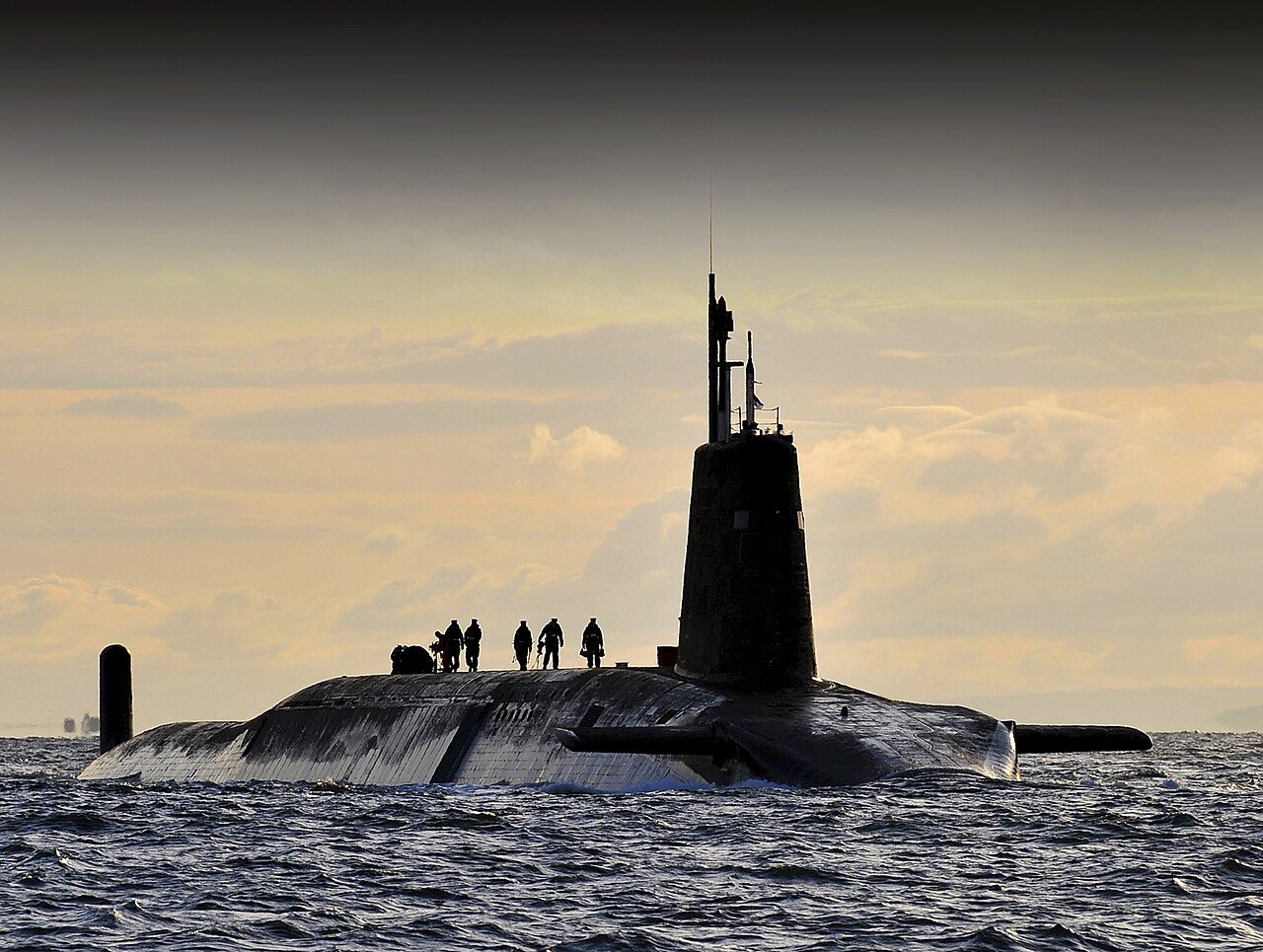
Babcock wins the largest contract in its history as ministers put 8 billion pounds behind submarine maintenance
The Ministry of Defence's Gateway Agreement with Babcock, worth 8.7 billion pounds over five years on the company's accounting, is intended to get Royal Navy submarines out of maintenance and back to sea faster, creating 3,000 jobs and supporting 8,500 more at Devonport and the Clyde.
The Ministry of Defence has signed its Gateway Agreement with Babcock, one framework spanning the upkeep of the boats themselves, the engineering behind them and the running of the two bases that house them, Devonport in Plymouth and HMNB Clyde, in what the company calls the largest contract award in its history. The department puts the agreement at around 8 billion pounds; Babcock values the five-year term at 8.7 billion pounds, made up of an 8 billion pound contract and a 0.7 billion pound framework. It takes effect on 1 December 2026, runs for five years with a potential total term of up to 15 years, and succeeds the Future Maritime Support Programme, whose extension ends on 30 November.
The stated purpose is availability. The new framework carries incentives for faster delivery, which the department says should mean submarines spend less time in maintenance and more time on operations, including NATO and AUKUS taskings and the deterrent patrols that run continuously. The First Sea Lord, General Sir Gwyn Jenkins, presented the agreement as a direct attack on delay, saying it backs the people who support the fleet and gets boats through maintenance quicker. Harry Holt, Babcock's chief executive, said the agreement would let the company, working with the ministry, increase submarine availability and develop the skills, infrastructure and capability the submarine force needs in the years ahead.
The employment numbers are large on both accounts. The agreement will create around 3,000 new highly skilled jobs, mainly across Plymouth, the Clyde and Bristol, and support 8,500 existing jobs at the Devonport and Clyde maintenance sites. On top of the new posts come around 2,500 apprentice and graduate opportunities, which the department explicitly directs at young people who are not in education, employment or training. In Scotland, the Scottish Secretary welcomed 900 new jobs and 450 apprentice and graduate opportunities at HMNB Clyde, the home of the Submarine Service. Babcock adds that the agreement is expected to generate more than 500 million pounds of social value in communities across the country.
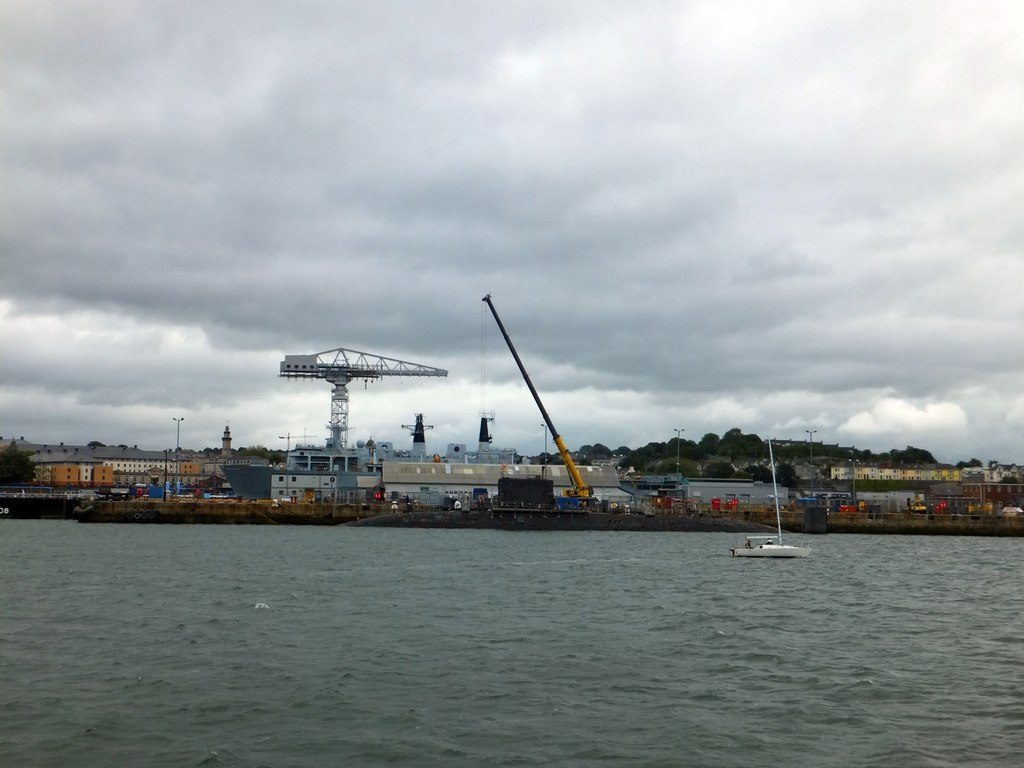
Our nuclear submarines are the cornerstone of our national security. Every minute of every day, they deter our adversaries and keep our country safe.Wes Streeting, Defence Secretary, in the Ministry of Defence announcement of 26 November 2026
Money flows beyond the two naval bases. The five-year contract includes about 2.4 billion pounds of spending in the wider United Kingdom supply chain, of which about 1 billion pounds is targeted at small and medium-sized businesses. The deterrent enterprise behind the agreement is bigger still: the Defence Nuclear Enterprise and its industry partners support more than 6,000 United Kingdom companies and about 47,000 jobs, with workforce demand forecast to reach about 65,000 by 2030.
The Gateway Agreement is the second multi-billion pound submarine deal the department has signed since its Defence Investment Plan was published, and it sits inside a wider modernisation of the naval estate. Under Project Royal Oak, Devonport, the Clyde and Portsmouth will receive 26 billion pounds of government investment over ten years to turn the bases into what the department calls warfighting-ready facilities. On the Clyde, the transformation programme includes Programme Euston, which is to deliver an out-of-water submarine engineering capability in the 2030s, built by British industry, for the current fleet and its successors.
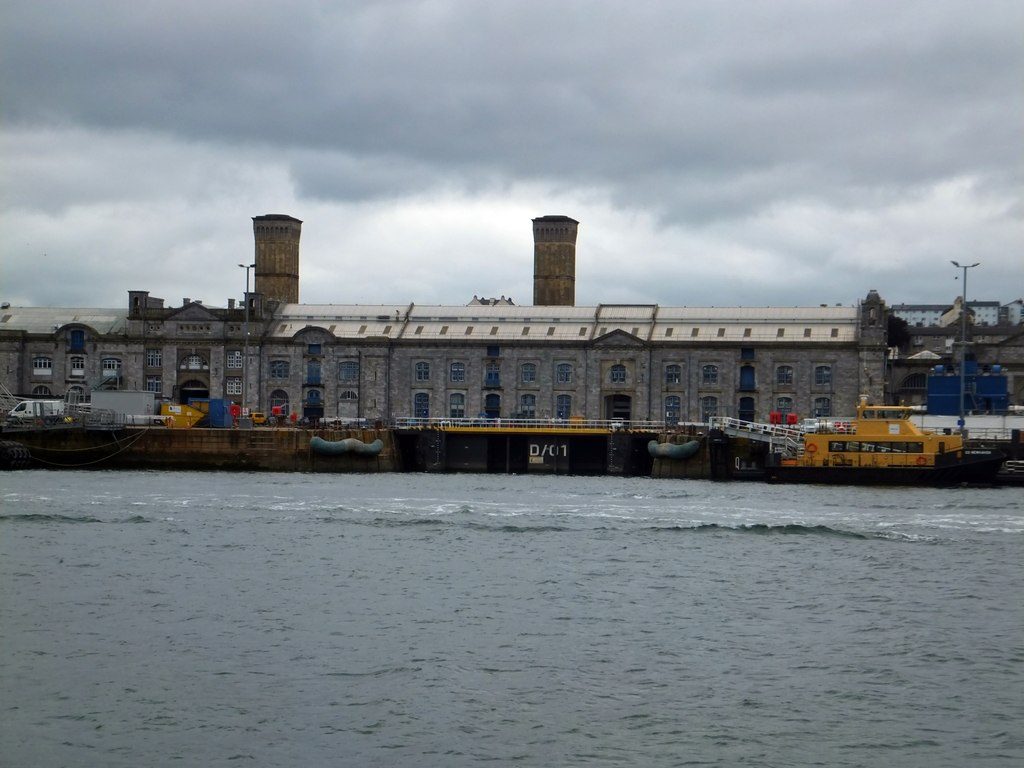
A separate memorandum of understanding sets out the strategic framework for the long-term relationship between the ministry and Babcock in support of the Submarine Enterprise, including the transition from the Vanguard class boats to the Dreadnought class. The Defence Secretary, Wes Streeting, who announced the contract during a visit to HMNB Devonport, framed it as a refusal to repeat past delays in nuclear investment, and put the combined total of new jobs, apprenticeships and graduate opportunities at 5,500. Whether the framework delivers its central promise will be measured in a single number over the coming years: the share of the submarine fleet actually available for operations.
None to date. The Journal corrects errors promptly and transparently. Read our corrections policy.