Britain and the EU close the summit package: food checks to go, carbon markets to link, 100,000 youth places each way
Leaders at the second UK-EU Summit in Brussels on Friday concluded negotiations on a food and plant trade agreement, a link between the two emissions trading schemes and a Youth Experience Scheme, in a package the Government says could add up to 0.5 per cent to UK GDP by 2040.
Britain and the European Union closed the central negotiations of their reset on Friday, at the second UK-EU Summit in Brussels. The leaders concluded talks on three agreements: a common sanitary and phytosanitary area covering food, animals and plants, a link between the two sides' emissions trading schemes, and a Youth Experience Scheme for young people. The Government says the package could add up to 0.5 per cent to UK GDP by 2040, equivalent to around 17 billion pounds a year, and the Prime Minister told the summit that a Bill to implement the deal, covering the food agreement, the emissions link and other elements, will be introduced in Parliament next week.
The food agreement is the part ministers expect shoppers to notice first. The joint statement records that almost every movement of farm animals, food and plants between Great Britain and the EU would be freed of the certificates and border controls that apply today, and that trade between Great Britain and Northern Ireland gains the same benefits, working alongside the Windsor Framework. The Government says Export Health Certificates, which can cost up to 200 pounds each, will be scrapped, and that products blocked from European markets since Brexit, among them fresh sausages and burgers, Welsh mussels and Scottish seed potatoes, will be sold in Europe again. It puts the value of the food and drink deal at up to 5.1 billion pounds a year by 2040.
The change reaches beyond exporters. The Food Standards Agency says the agreement's application date will be 1 March 2028, the date the joint statement also sets as the aim, and that from then most food and animal feed in Great Britain will need to comply with EU rules, so businesses may need to change ingredients, recipes or labels even if they do not trade with the EU. Food and feed already on the market before that date can still be sold until stocks run out, but must not enter the EU. In return, UK experts will be able to take part in the European Food Safety Authority in the same way as member state scientists, and Britain will have access to EU systems including the interactive Rapid Alert System for Food and Feed, which carries the latest information on emerging risks.
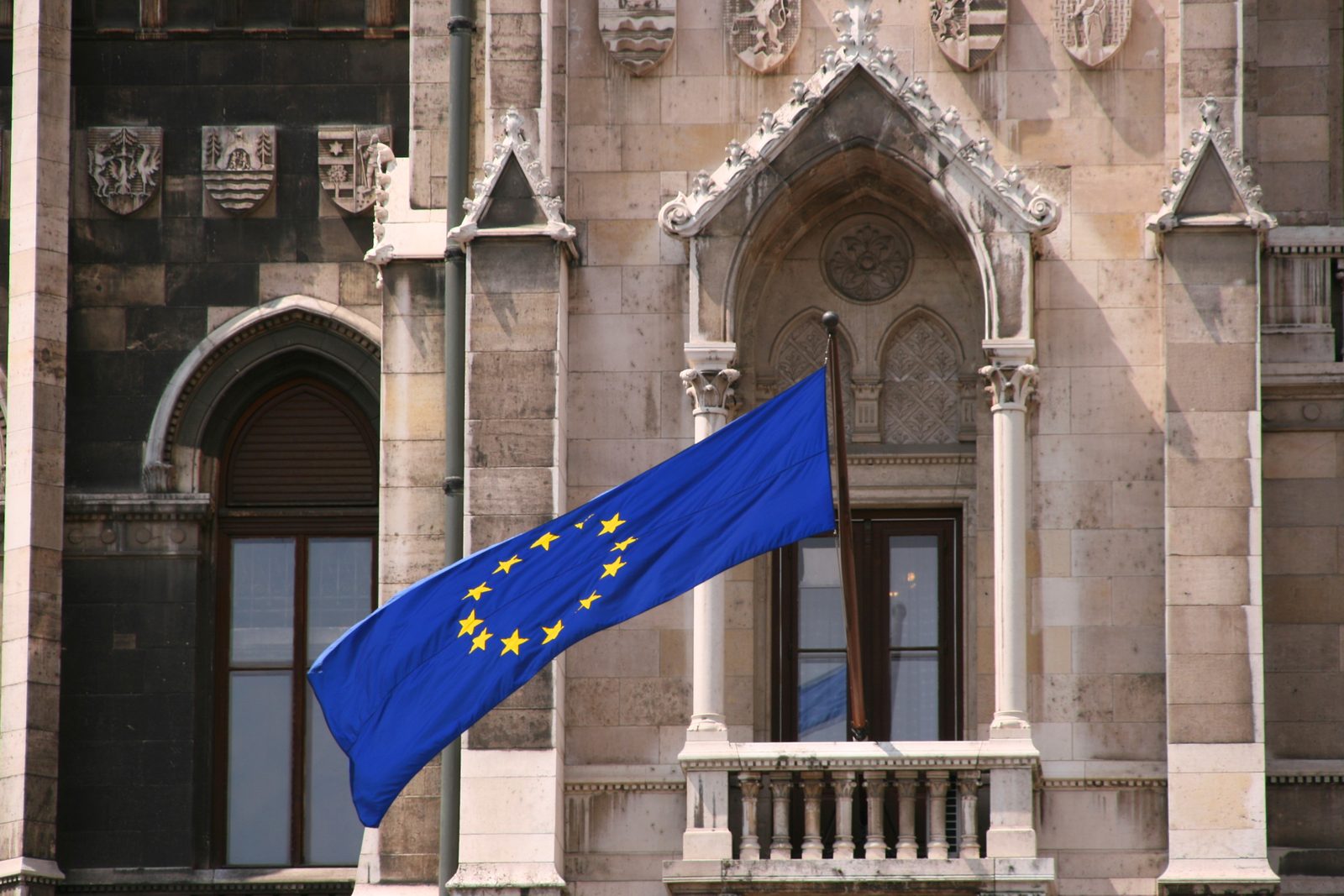
Ten years on from Brexit, today we open a new chapter. Repairing a broken status quo with a Britain that is closer to Europe.Andy Burnham, Prime Minister, in the Government announcement of 20 November 2026
The carbon agreement links the two emissions trading schemes. The joint statement says the link would rest on each side recognising the other's carbon allowances, with goods from both sides excused from each other's Carbon Border Adjustment Mechanisms, subject to each side's laws and procedures, and that the two sides aim to apply the agreement from 2028. The Government describes the result as the world's largest linked carbon market, says 6.5 billion pounds of British exports, steel and aluminium among them, will be exempt from the EU mechanism, and expects the link to add up to 3.8 billion pounds a year to the UK economy by 2040.
For young people, the summit concluded negotiations on a Youth Experience Scheme. The joint statement sets the scale: 100,000 young people from the EU and 100,000 from the UK will be able to live on the other side for up to three years, to work, study, au pair, volunteer or simply travel. The Government adds the conditions: the scheme covers those aged 18 to 31, needs no job offer and sets no language or salary requirements. Entry will be by visa, the number of places is limited, stays are time limited, and participants cannot claim benefits or bring dependants with them. The two sides aim to apply the agreement no later than 2028 and to have opportunities available no later than January 2030. Alongside it, the statement underlines Britain's participation in Erasmus+ in 2027, for which the funding call opened on 18 November, and commits both sides to conclude negotiations within six months on a further agreement covering tuition fees for each other's students.
The rest of the statement fills out a wider settlement. On energy, the leaders welcomed the decision to extend the Trade and Cooperation Agreement's Energy Title to 31 March 2028, recorded full reciprocal access to fishing waters until 30 June 2038, and committed to conclude negotiations in 2027 on Britain's participation in the EU internal electricity market. On security, they welcomed the conclusion of negotiations on a Framework Participation Agreement for UK participation in EU civilian crisis management missions, and agreed closer work against Russia's shadow fleet and on cyber threats. On migration, the two sides will establish a Structured Dialogue and take joint action under the Channel Action Plan adopted on 16 June 2026, aimed at migrant smuggling networks and dangerous crossings.
None to date. The Journal corrects errors promptly and transparently. Read our corrections policy.