Parliament faces managed decline or worse without a restoration decision, MPs warn
The Public Accounts Committee puts the cost of each further year of delay at up to £420 million, and expects weekly spending on maintaining the Palace of Westminster to climb from £1.5 million to £2 million.
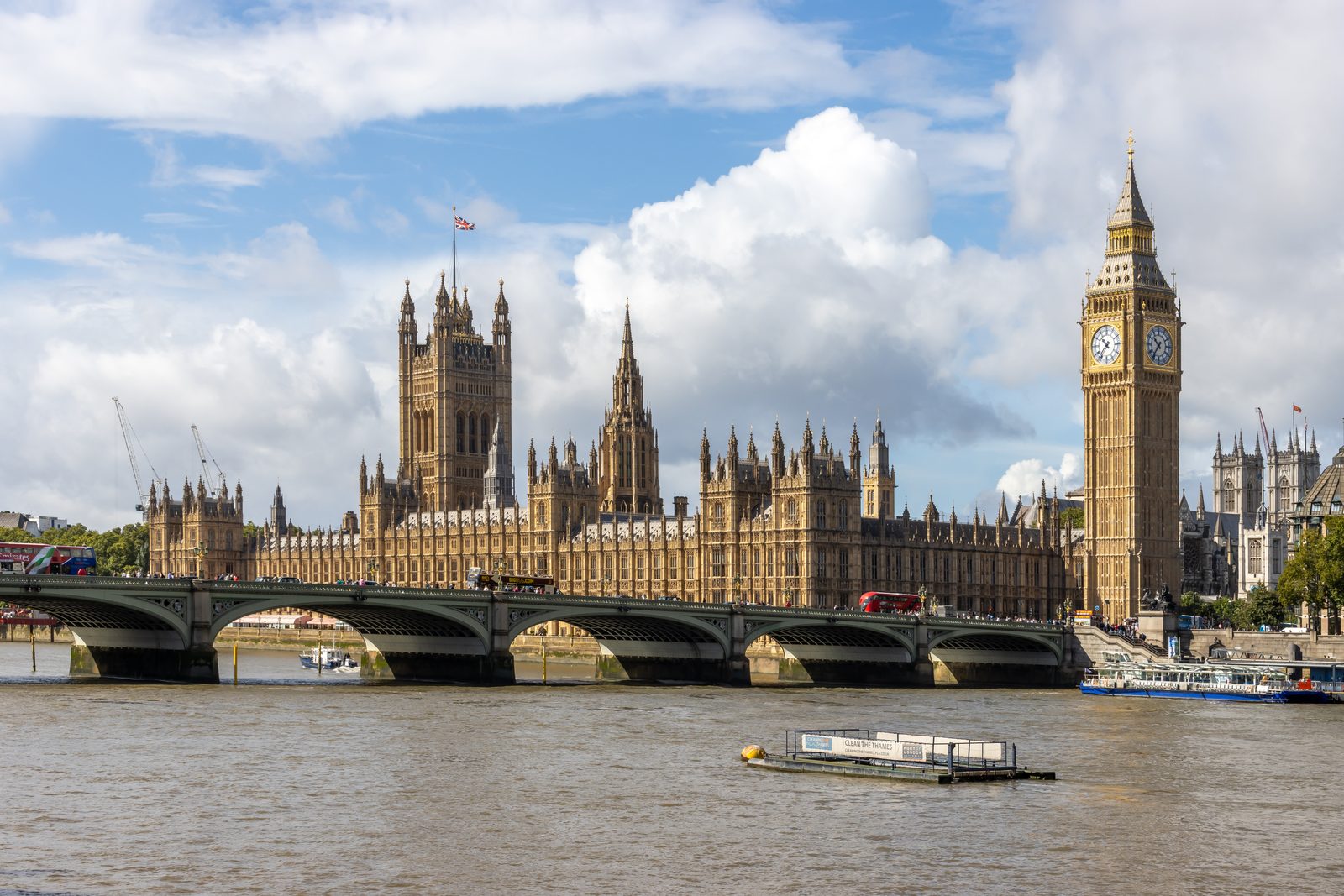
The Palace of Westminster faces, at best, a future of managed decline, and at worst a catastrophic failure that puts lives at risk and stops democracy working, the Public Accounts Committee has warned. Its report, Restoration and Renewal of Parliament: Costing and governance, published on 4 November, is the committee's nineteenth report of the session. It was written to inform a vote by MPs and peers on the Restoration and Renewal programme, in which parliamentarians must decide how far they stay in the Palace, or leave it, while the building is restored.
Delay is expensive in its own right. Keeping the Palace running costs about £1.5 million a week at present, and the committee expects that bill to reach £2 million a week. On top of that, every year the decision slips adds as much as £420 million to what the programme will eventually cost over its lifetime. The sums behind the costed proposals assumed members would vote before Easter 2026. They did not, and the committee says the price has already risen by up to £290 million simply because the vote drifted past the summer and into the end of 2026.
The vote itself will cut the four delivery options in development down to two. One is Full Decant, at £11.1 billion to £15.6 billion over 19 to 24 years, under which both Houses leave the Palace for most of the construction period. The other is Enhanced Maintenance and Improvement plus, or EMI+, at £19.5 billion to £39.2 billion over 38 to 61 years, under which the Lords would be out of the building for eight to 13 years and the Commons would sit in the Lords chamber for up to two years. The committee endorses neither option; its stated role was to test the governance of the programme and whether it offers value for money.
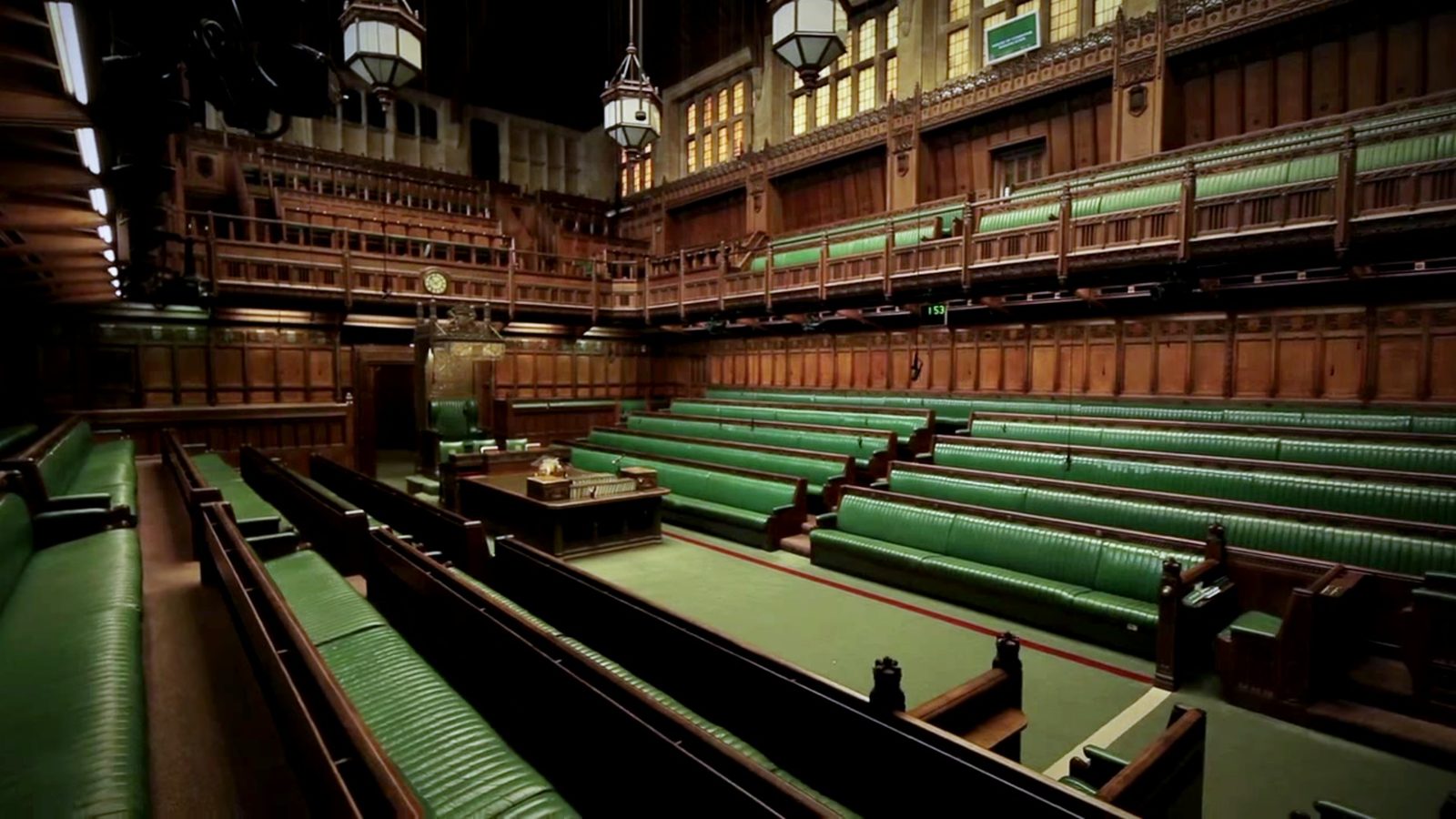
The figures are not the scandal. The years spent not deciding are.British Journal analysis
Members are also being asked to approve Phase One, a seven year package of early works with spending capped at £3 billion, of which £500 million is still unallocated, held back for projects and contingency. Three items within that first phase have yet to be priced at all: security along the river, the restoration of the medieval cloister court, and the work of isolating, switching off and relocating essential services like electricity and plumbing. The committee asks the Clerks of both Houses to publish the missing estimates as they are produced, along with a running account of how much contingency remains.
Where MPs and peers would actually go is, in the committee's words, a persistent risk. The scheme depends on temporary homes being ready on time: the Northern Estate for the Commons and the Queen Elizabeth II Centre for the Lords. Yet refurbishing the Northern Estate is running late, acquiring the QE2 Centre is taking longer than it should, and the Restoration and Renewal programme is not currently in overall charge of providing either venue, a gap the report suggests could be closed. The centre is sponsored by the Ministry of Housing, Communities and Local Government as one of that department's executive agencies, and it is from that same department that the programme must acquire it. The committee puts the cost of refurbishing the centre at around £417 million and the wider Commons building portfolio at around £2 billion, and calls both estimates very high.
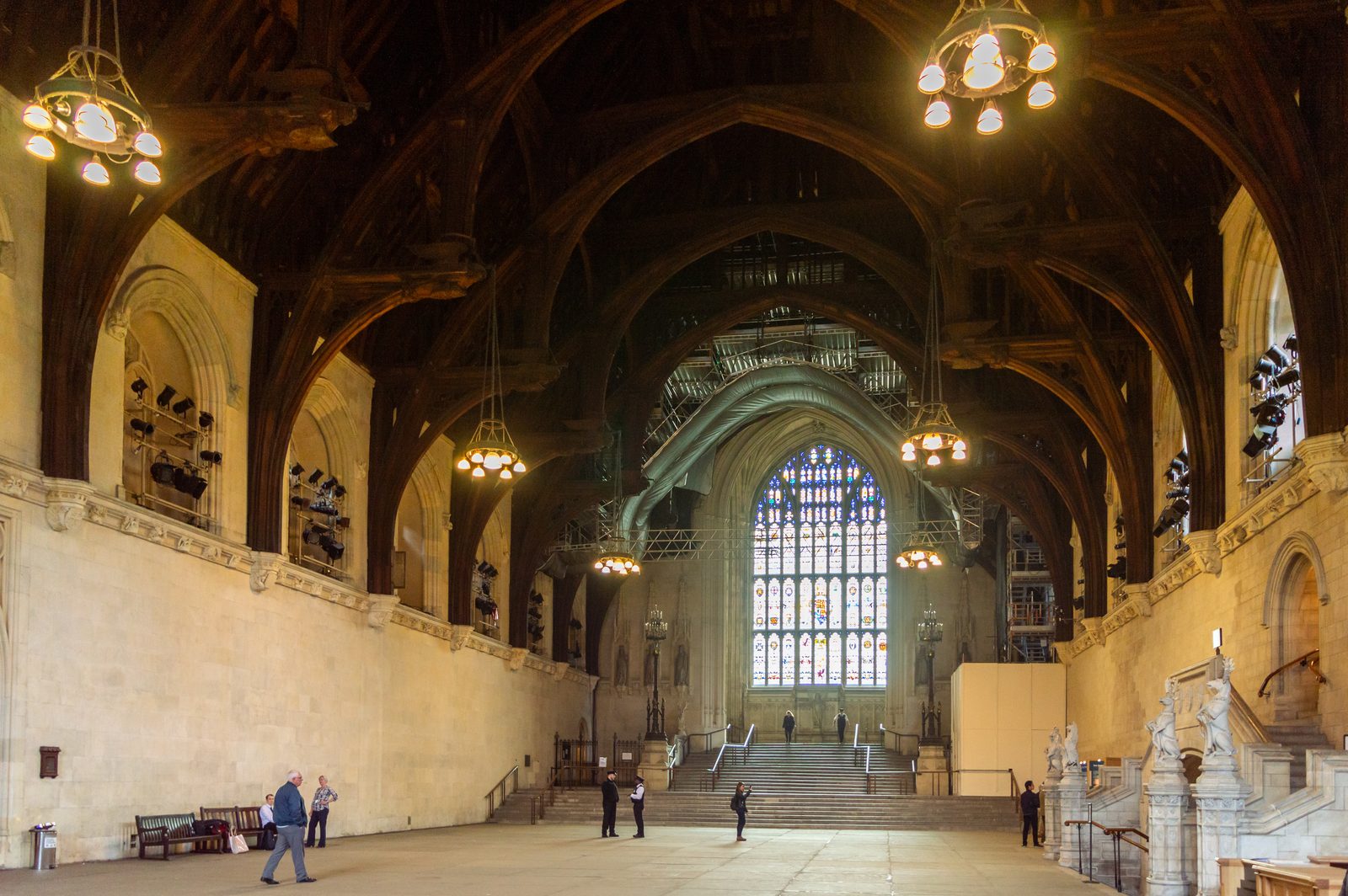
Nor, the committee found, have members been prepared well enough for a decision of this scale. By June 2026 the Client Team had spoken about the programme with 283 sitting MPs, roughly 43 per cent of them, and the next general election, due by 2029, means a fresh intake will need briefing before the strategic decision scheduled for 2030. Sir Geoffrey Clifton-Brown MP, the committee's chair, said: "There has long been a political allergy to gripping the nettle that is R&R." He added: "I would urge all those who believe a decision on how to proceed should be further delayed to digest the figures in our report, showing each kick of the can down the road costs hundreds of millions in public money." The report also proposes a dedicated select committee for Restoration and Renewal, recommended to the Government so that spending of this order is properly scrutinised in public.
None to date. The Journal corrects errors promptly and transparently. Read our corrections policy.