
Leasehold Bill enters Parliament with a 250 pound ground rent cap and commonhold as the default for new flats
The Commonhold and Leasehold Reform Bill, entering Parliament on Thursday, would cap ground rents at 250 pounds a year from 2028, end the loss of a home over small unpaid charges, halve the threshold for switching a block to commonhold, and protect up to 1.75 million freehold homes on managed estates.
Legislation to dismantle the leasehold system in England and Wales enters Parliament on Thursday. The Commonhold and Leasehold Reform Bill is the Government's attempt to replace a tenure it traces back a thousand years, under which an estimated 5.1 million homes are held on leases: 4.9 million of them in England, including 2.72 million owner occupied homes, and 235,000 in Wales. Ministers describe the package as the largest change to homeownership in a century, and it remains subject to passage through Parliament and Royal Assent.
The first protection is a ceiling on ground rent. From 2028, ground rents on existing leases would be capped at 250 pounds a year, a change the Government says will cut bills for up to one million leaseholders, with rents then falling to zero after 40 years. The Bill would also remove the powers under which a leaseholder can lose their home over a relatively small unpaid bill, such as a disputed service charge, and replace them with a court led process, and it would give ministers power to cap the permission and administration fees charged for routine requests, from keeping a pet to replacing a front door.
For new homes, leasehold itself is to go. A modernised form of commonhold, in which residents own their homes outright and run their building together, becomes the standard tenure for most new flats, with narrow exceptions such as shared ownership. There would be no ground rent and no third party landlord. Existing blocks get an easier exit too: the threshold for converting to commonhold drops from unanimous agreement among neighbours to support from half of them, and those who do not consent stay on modified leases until they sell, so a minority cannot block the change for everyone else.
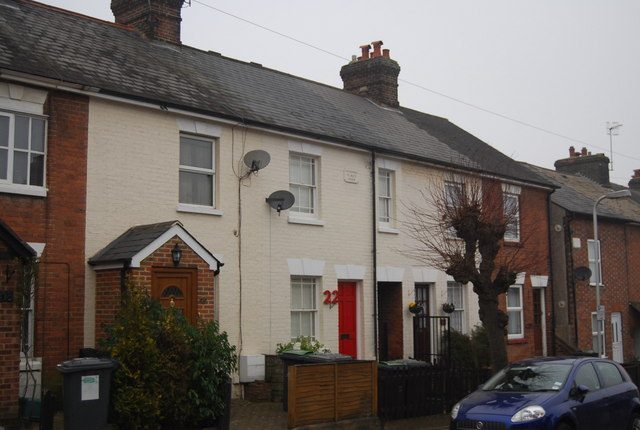
The publication of our historic Commonhold and Leasehold Reform Bill marks the beginning of the end for the feudal leasehold system.Matthew Pennycook MP, Minister for Housing, in the Ministry of Housing, Communities and Local Government announcement of 18 November 2026
Freehold estates are brought inside the reforms. Up to 1.75 million homes on estates where a management company levies maintenance charges would be protected against powers to take over a family's home over unpaid fees. The Bill also repairs the Leasehold and Freehold Reform Act 2024 so its extension and purchase reforms can be switched on: lease extensions of 990 years, an end in most cases to leaseholders paying their landlord's costs, and the abolition of marriage value, the extra payment faced by owners whose leases have 80 years or fewer to run. A further clause strengthens the right to request a gigabit broadband connection, requiring landlords to answer within set timeframes.
The Bill has been a long time in preparation. A draft was published on 27 January 2026 and examined before introduction by the Housing, Communities and Local Government Committee, whose report in May called the draft a significant step while urging ministers to go further and faster, according to the House of Commons Library's account of the reform programme. The Library also records the staging already under way from the 2024 Act: the two year wait before a new owner could extend a lease or buy a freehold was scrapped in January 2025, and a cheaper Right to Manage followed that March. Professor Nick Hopkins, who chairs the Leasehold Advisory Service, said the Bill's introduction was a significant step towards protecting homeowners from some of leasehold's most damaging features.
What happens next is parliamentary, and then staged. Separate regulations already announced bring stronger service charge rights from 1 April 2027 and standardised bills from 1 November 2027, with the same clarity extended to social housing leaseholders a year later, while the ground rent cap is set for 2028. Property law is devolved in Scotland and Northern Ireland, so the Bill's reach stops at England and Wales. For the five million households inside it, the test is whether the commonhold machinery, untested at this scale in England, works as smoothly in a converted block as the Bill's drafting assumes.
None to date. The Journal corrects errors promptly and transparently. Read our corrections policy.