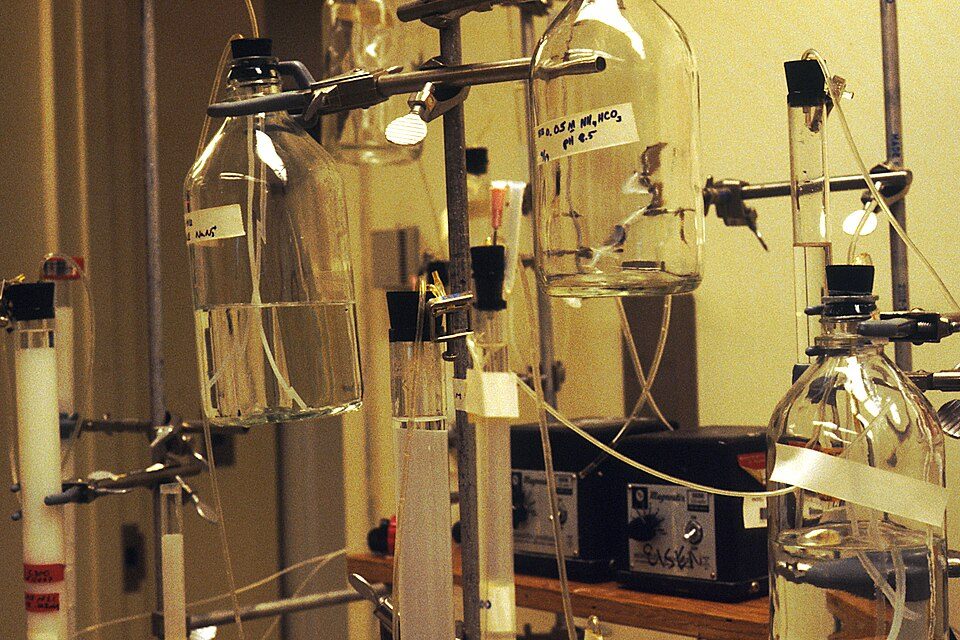
Farmers offered 43 million pounds for reservoirs and soil innovation after a dry summer
Up to 15 million pounds in Water Management Grants opens for applications on 30 November, alongside a 28 million pound Farming Innovation Programme competition for soil health and water quality, in a package the Environment Secretary set out at the CLA Rural Business Conference on Thursday.
Farm businesses in England are being offered 43 million pounds of new support, split between storing water for dry periods and testing practical ideas for healthier soil and cleaner water. Environment Secretary Dame Angela Eagle set out the package at the CLA Rural Business Conference at the QEII Centre in Westminster on Thursday 19 November, after a summer marked by dry weather and wildfire in which many growers struggled. In remarks prepared for the conference, she set the goal as rural communities with power over their future and the tools to adapt to a changing world, in a country where 9.7 million people live in rural England.
The first half of the money is for water. Up to 15 million pounds is available through round 3 of the Water Management Grant, first announced by the Prime Minister in the summer, towards irrigation reservoirs, above ground water storage tanks and underground distribution mains. The water has to irrigate crops, which can be food crops, ornamentals or forest nursery stock, and the funded assets have to be in England. Applications open on 30 November and stay open for 12 weeks, closing at 11.59pm on 23 February 2027. The window does not reward speed: an application sent in on the closing day carries the same chance as one sent on the first day.
The grant is competitive rather than automatic. The Rural Payments Agency scores eligible applications against the scheme priorities, which favour projects benefiting growers of horticultural food crops, projects in the places where water is least available, projects that share water with other growers, and projects that already hold their planning permissions and abstraction licences. Even so, growers may apply before those permissions are fully in place, a change intended to bring funding agreements forward. The grant a business can seek runs from a minimum of 15,000 pounds for a project of tanks alone, or 35,000 pounds for reservoirs, a distribution main or a combination, up to a maximum of 300,000 pounds for each single business identifier, and it covers up to 40 per cent of eligible project costs. Invited applicants then complete a second stage, which closes on 28 October 2027.

We welcome this fund and the focused work Defra is doing to address the wider barriers to constructing farm reservoirs, including planning requirements and abstraction licensing.Gavin Lane, President of the CLA, in the Defra announcement of 19 November 2026
The second half is a competition. The Farming Innovation Programme competition titled Healthy Soils and Water for a Sustainable Environment opened on 19 November with up to 28 million pounds available, described by Defra as the programme's biggest competition yet. Delivered with Innovate UK, it backs joint projects on farms across England, in both livestock and crop production, that look after the soil, protect water and manage the wider environment together. A project has to be led by a UK registered business working with at least one other business or research organisation, its total costs must fall between 1 million and 5 million pounds, and it may run for up to 36 months. Applications close at 11am on 28 January 2027, and every funded project must start by 1 August 2027.
Earlier innovation funding shows the kind of work ministers want more of. One previous project, led by ElentecBioAg, is developing technology to treat dairy cow slurry and turn it into fertiliser nutrients that farmers can spread on their own land or sell on, work Defra credits with cutting costs and reducing reliance on imported artificial fertiliser. Alongside the two funds, the department has opened work on a Fertiliser Sustainability and Resilience Plan, inviting experts to help develop it with the aim of lifting UK production and cushioning farms against volatile world markets. The pressure behind that plan is recent and sharp: the announcement records that prices of some fertilisers in the UK rose by 30 per cent in just two months this year, between February and April 2026.
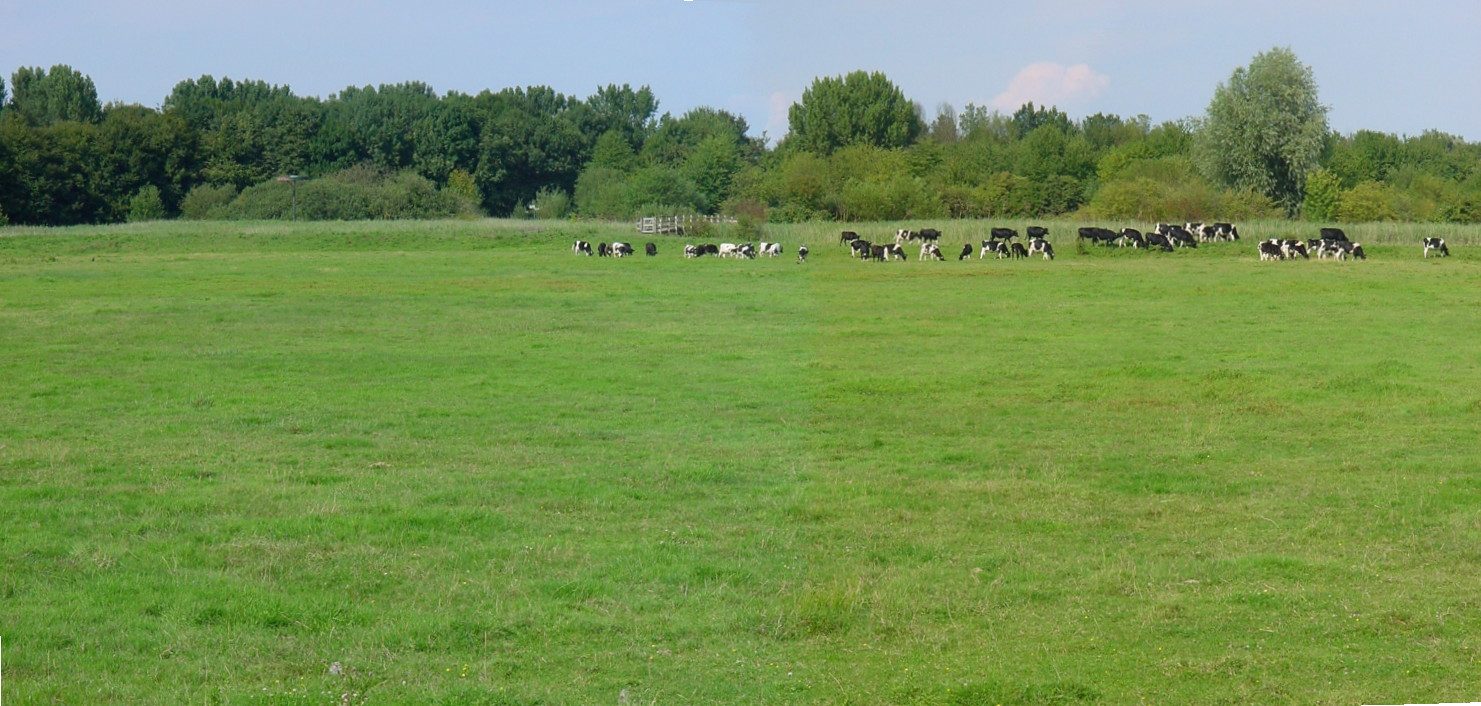
Two smaller changes complete the package. The Sustainable Farming Incentive is to move away from allocating places on a first come, first served basis. And a trial beginning this month lets farmers on common land, Dartmoor among them, join Countryside Stewardship Higher Tier schemes, from which they were previously not eligible to benefit. Whether the reservoir money changes behaviour will depend on the barriers that sit outside the grant itself, planning and abstraction licensing chief among them, which is why the CLA's welcome for the fund came paired with a warning that the scale of the water challenge should not be underestimated.
None to date. The Journal corrects errors promptly and transparently. Read our corrections policy.