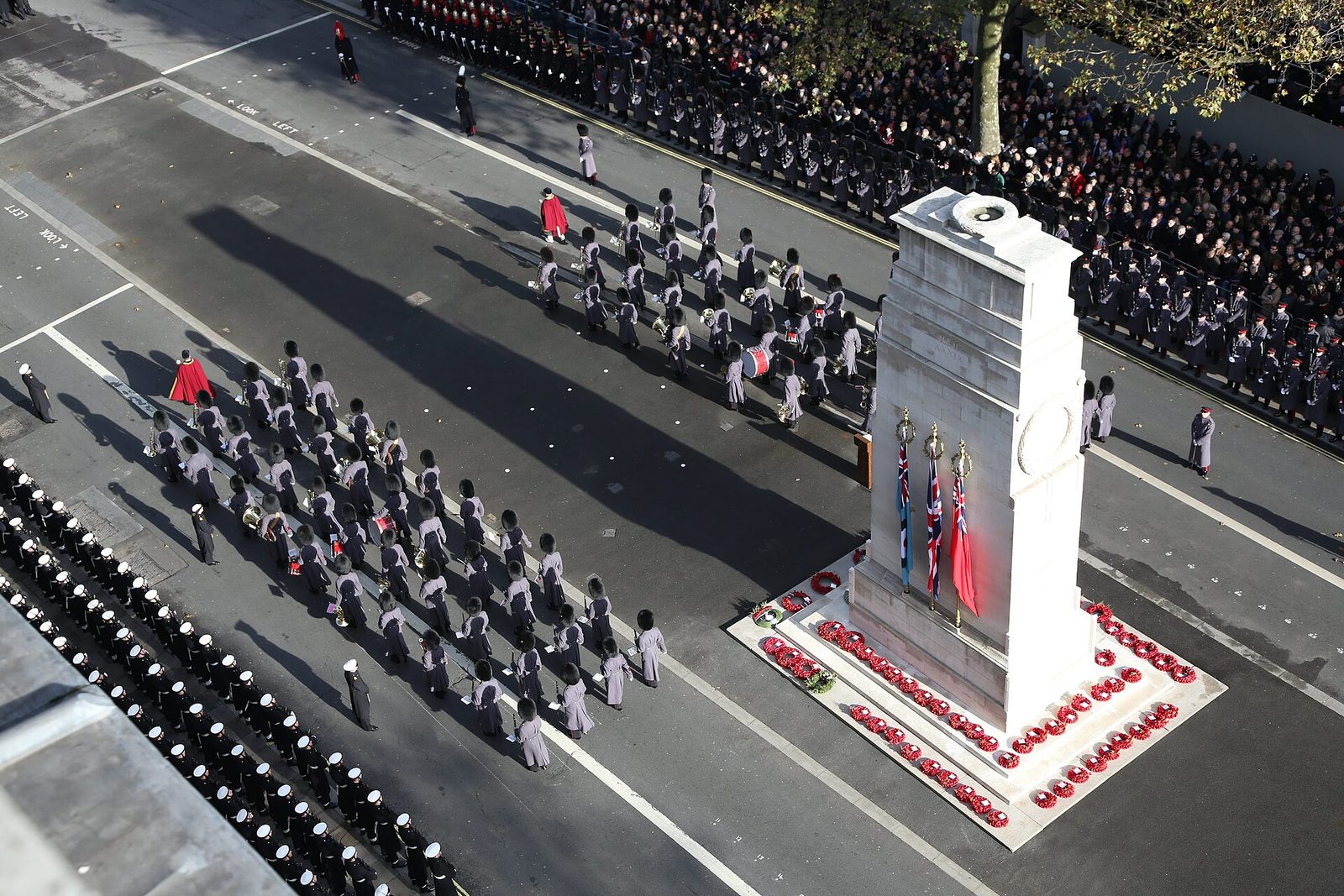
The King leads the nation in the two-minute silence as 10,000 veterans march past the Cenotaph
Members of the Royal Family, the Prime Minister and senior politicians join the National Service of Remembrance on Whitehall, while 6,500 UK personnel remain deployed overseas and the youngest marcher in the Royal British Legion parade is seven years old.
The King leads the United Kingdom in the annual two-minute silence today, at the National Service of Remembrance at the Cenotaph on Whitehall. Royal Family members, the Prime Minister, other senior politicians and faith representatives join him at a service marking the First World War Armistice and every later conflict involving British and Commonwealth forces. The silence begins at 11am, signalled by guns fired by King's Troop from Horse Guards Parade.
Around 10,000 veterans take part in the Royal British Legion's March Past the Cenotaph, with more than 300 different Armed Forces and civilian organisations represented. Those marching range from bereaved children and military cadets to a dwindling number of surviving Second World War veterans: the youngest person marching is seven years old, and the oldest are veterans aged over 100. Some have travelled from as far as Canada and Australia to participate, and about 10,000 members of the public are expected to watch from Whitehall and to take part in the silence.
The Prime Minister, Andy Burnham, said: “I'm incredibly proud to be honouring those whose sacrifice continues to protect our way of life to this day. Remembrance Sunday gives us an opportunity, not only to mark that sacrifice and offer our gratitude, but also to reflect on its significance. To reflect on the selflessness and courage it takes to commit your life to protecting others.” The Culture Secretary, Lisa Nandy, said: “It is our duty to ensure that the immense courage of those who have served our country is never forgotten.”
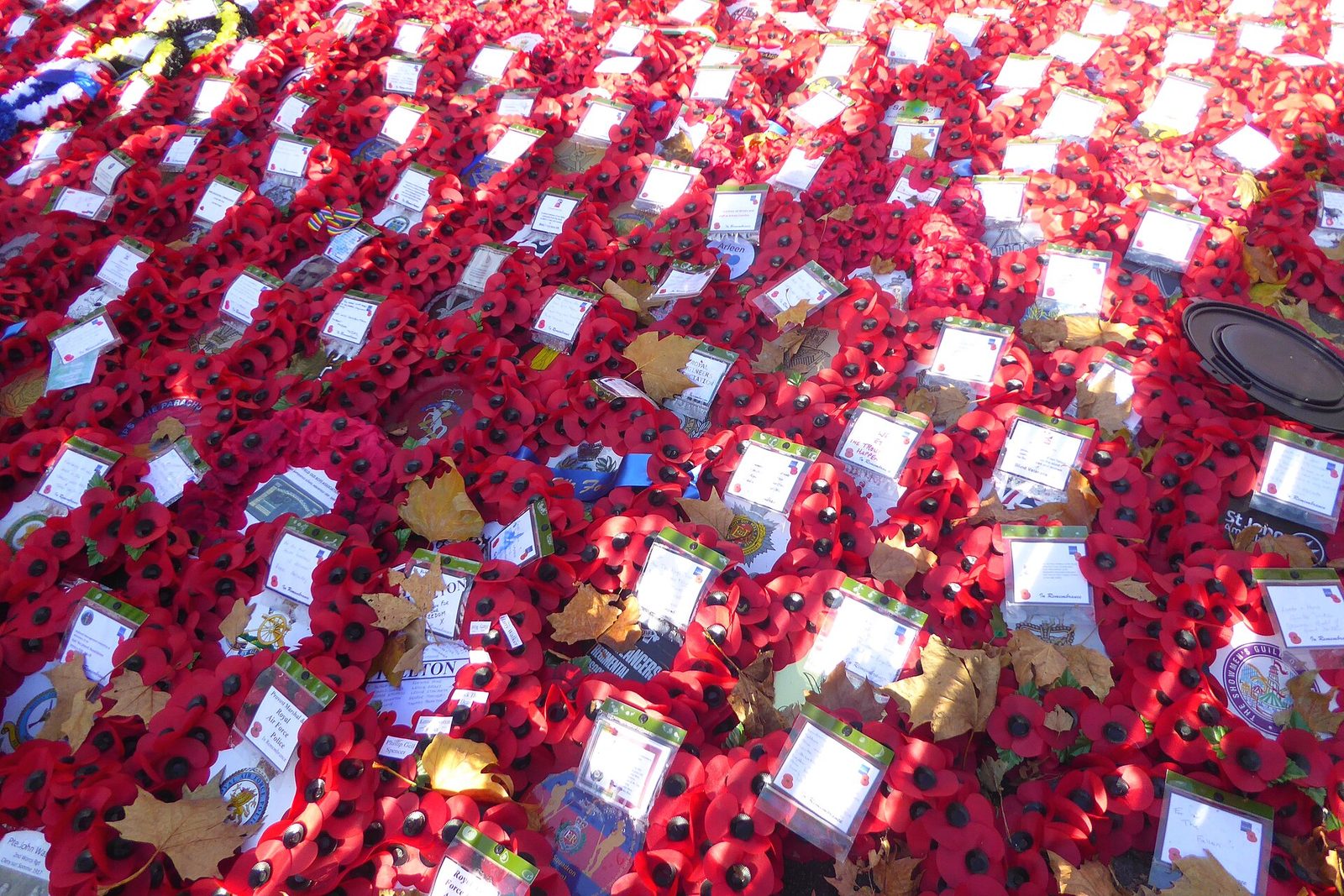
Remembrance Sunday gives us an opportunity, not only to mark that sacrifice and offer our gratitude, but also to reflect on its significance.Andy Burnham, Prime Minister
The Defence Secretary, Wes Streeting, spoke of a family connection to the day: “I grew up with my grandfather and great-grandfather's war medals proudly on display in our living room. Defence runs in my blood and I feel intently the importance of Remembrance to those who have served and their families.” He added: “This weekend is a moment to pause and reflect on the enormous debt we owe to our Armed Forces, to pay tribute to those who made the ultimate sacrifice defending our freedoms, and to thank the personnel keeping us safe tonight.”
For some marching, the day carries a particular weight this year. Earlier this year marked 15 years since the end of the Iraq War, and among those in the March Past is Steve Hooper, 43, an RAF veteran who served as a Mechanical Transport Driver during the Iraq War and marches with the Invictus Games Alumni group. He said: “I saw a lot of trauma in Iraq as an ambulance driver, and when I came back, I was struggling with sleep and having flashbacks. If it wasn't for the support I received from the Royal British Legion through the Invictus Games, I don't know where I'd be today.” Mark Atkinson, the Director General of the Royal British Legion, said the Legion had this year paid tribute to those who served in more recent conflicts, among them operations in Bosnia, Iraq and the Gulf, and had recognised the families still living with the consequences of that service.
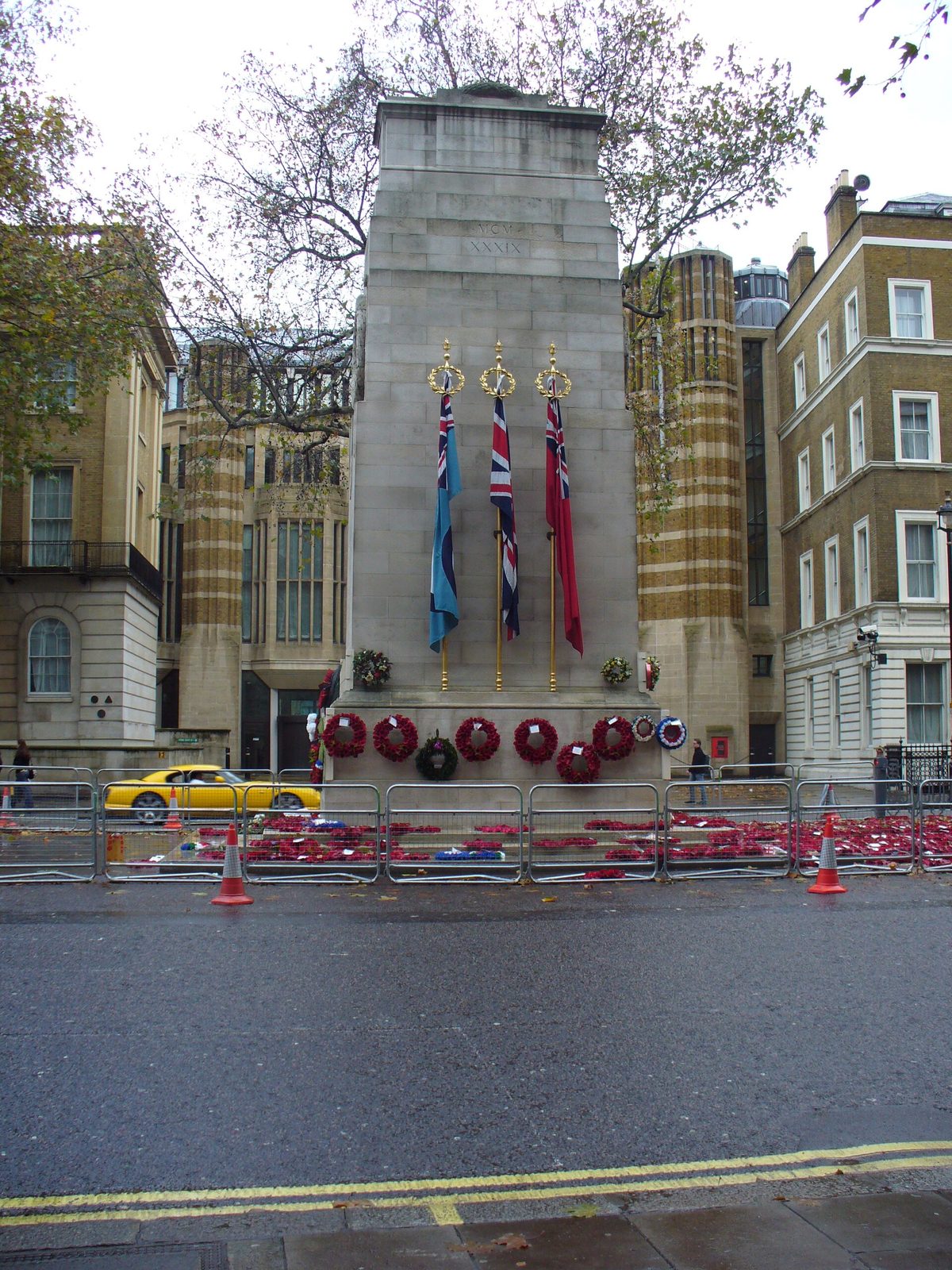
While the country gathers, 6,500 UK Armed Forces personnel remain deployed on operations and at overseas bases, supporting NATO allies in Eastern Europe and maintaining the deterrent at sea. The service in London is coordinated by the Department for Digital, Culture, Media and Sport alongside the armed forces and veterans' organisations: Whitehall opened to the public at 8am, detachments form up from 10.30am, and the service concludes at 11.25am, when the Legion's detachments march past. For those watching from home, the national event is broadcast live on the BBC, ITV and Sky News.
None to date. The Journal corrects errors promptly and transparently. Read our corrections policy.