England adopts a plan to be free of bovine TB by 2038, built on vaccines and the end of the badger cull
The Government has formally adopted the long term bovine TB strategy for England, with cattle vaccination aimed for 2030, an expanded badger vaccination force, and 2026 standing as the first year in over a decade with no badgers culled.
The Government has formally adopted a long term strategy to eradicate bovine TB from England by 2038, confirming on 5 November that the plan first published in June now stands as official policy. The strategy, developed with farmers, vets, scientists and other stakeholders, replaces a decade of culling-led control with a programme built around vaccination, testing and surveillance. Its target is officially bovine TB free status for England by 2038.
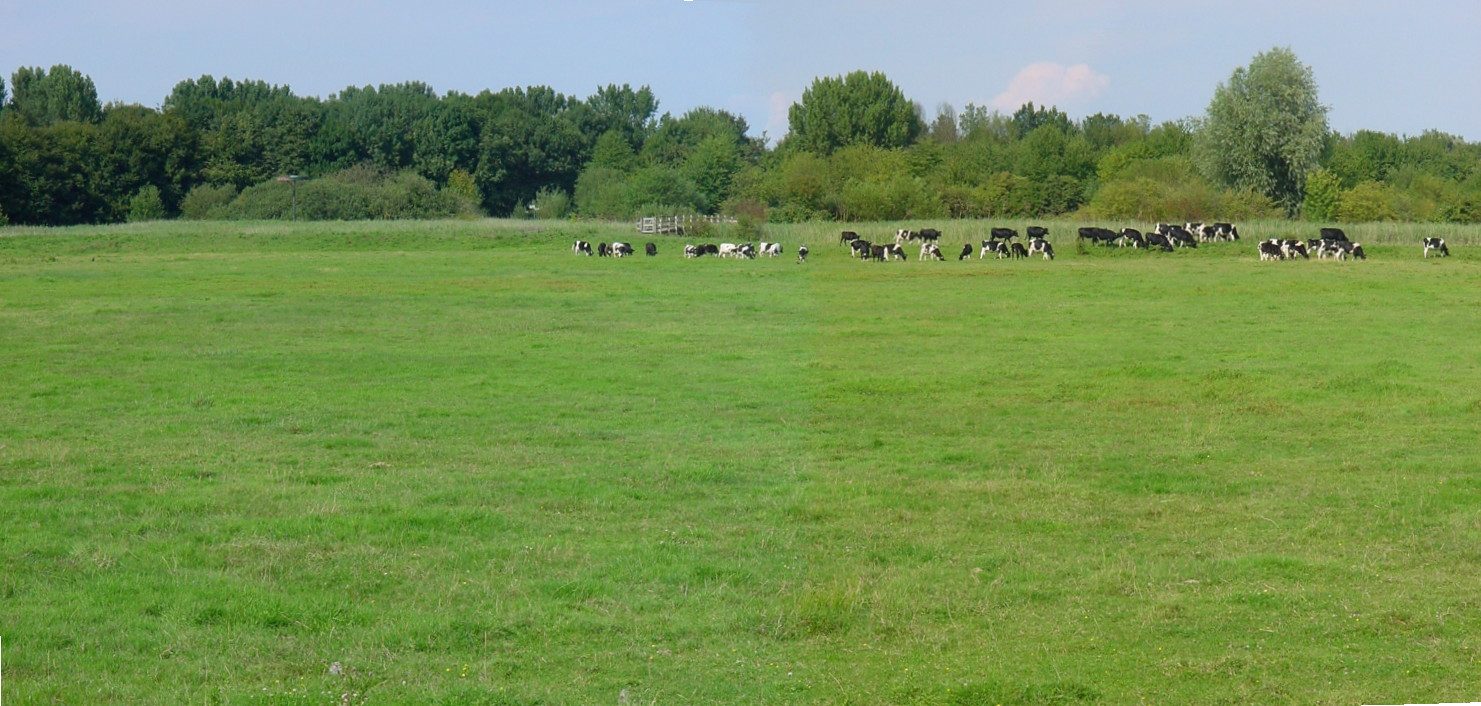
The announcement rests on figures that are moving the right way. Herds losing their TB free status in England have fallen by a fifth over the past year, and the share of herds under restriction because of a TB incident stood at 3.4 per cent at the end of June 2026, down from 4.2 per cent a year earlier. Even so, 20,244 cattle were slaughtered for TB control reasons in the 12 months to June 2026, a 4 per cent fall from 21,126 the year before but still a heavy annual toll; the historical peak was 34,518 animals removed in the 12 months ending April 2018.
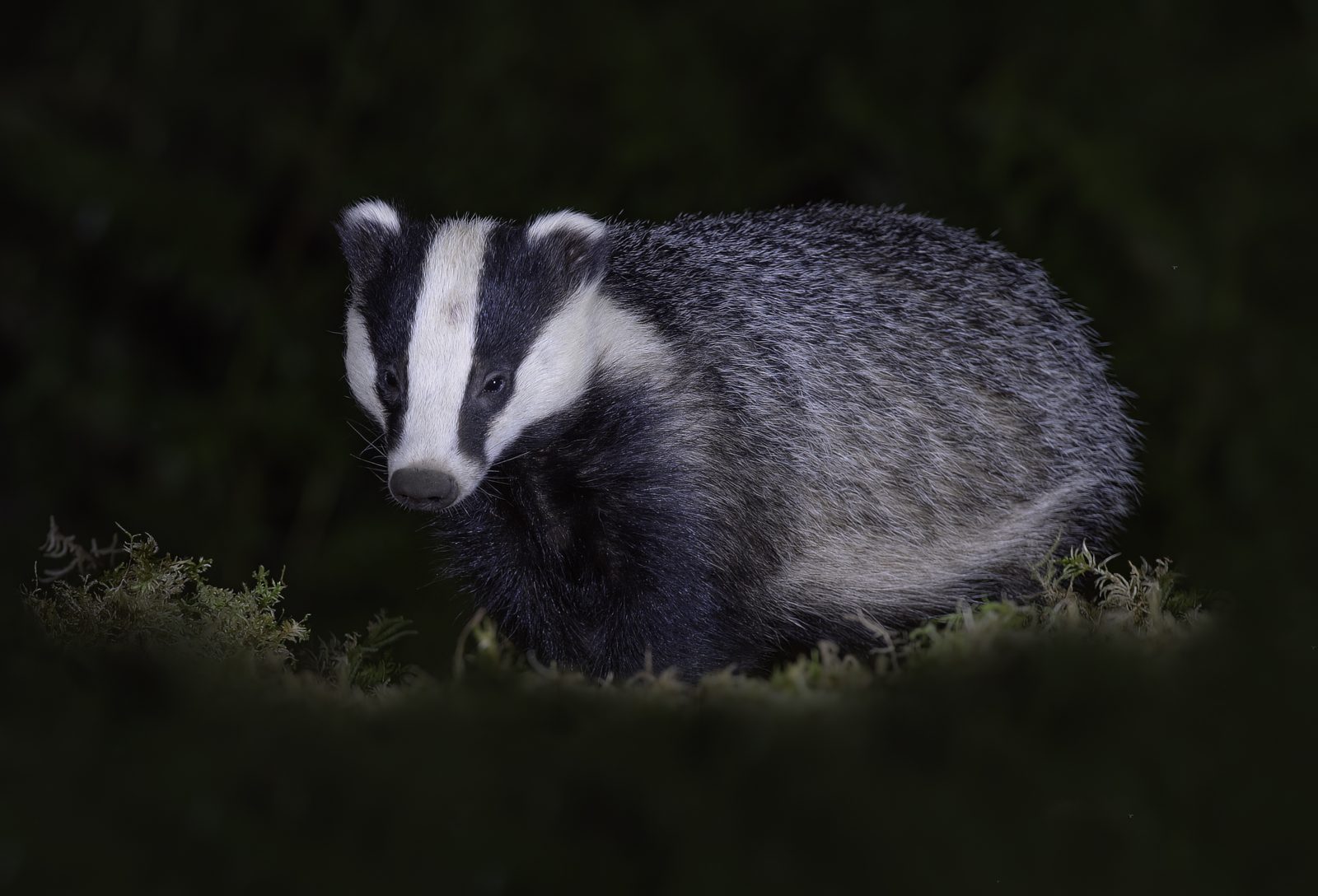
The most symbolic change is in the fields rather than the figures. No badgers were culled in 2026, making it the first year in more than a decade without culling, and the remaining cull licences are expiring or being revoked. The Biosecurity Minister, Baroness Hayman, said: "Our comprehensive strategy will ensure the continuation of the end to badger culling, and prevent the spread of this horrific disease." In place of the cull, badger vaccination is being rolled out in priority areas through a newly contracted Badger Vaccination Field Force, with areas opened in North Shropshire, North Worcestershire and South East Oxfordshire and more planned for 2027 and 2028.
Our comprehensive strategy will ensure the continuation of the end to badger culling, and prevent the spread of this horrific disease.Baroness Hayman, Biosecurity Minister
For cattle, the centrepiece is a vaccine that does not yet exist in deployable form. Work continues on a cattle vaccine to be used alongside a companion skin test, known as DIVA, which can tell an infected animal from a vaccinated one. An application for marketing authorisation for the CattleBCG vaccine has been submitted to the Veterinary Medicines Directorate, and the Government's stated ambition is to deploy cattle vaccination by 2030. Testing is being tightened in the meantime: government funded mandatory blood testing is being expanded, additional privately funded testing is being piloted, and mandatory interferon-gamma blood testing is being widened alongside the standard skin test, particularly in herds with a history of persistent infection.
Wildlife surveillance is the third leg. A new government funded scheme will collect found dead badgers and test them for the disease, starting across five counties in England's High Risk Area this November, so that officials can build a clearer picture of infection in the wild population now that culling has ended. The strategy itself is organised around five priorities: reducing cattle to cattle transmission, making better use of TB data, preventing infection through new tools, putting farmers and vets in the driving seat locally, and reducing disease risk from the wider environment.
Delivery will be overseen by a new industry and government board, replacing the existing Bovine TB Partnership for England. The board is expected to be set up in 2027 and will consider and endorse the first delivery plan, with an initial plan setting out the priority actions due in late spring 2027. The Government says it will keep working with farmers, veterinary professionals and other partners on what it calls a coordinated approach, aimed at protecting animal health and reducing the impact of the disease on rural communities.
None to date. The Journal corrects errors promptly and transparently. Read our corrections policy.