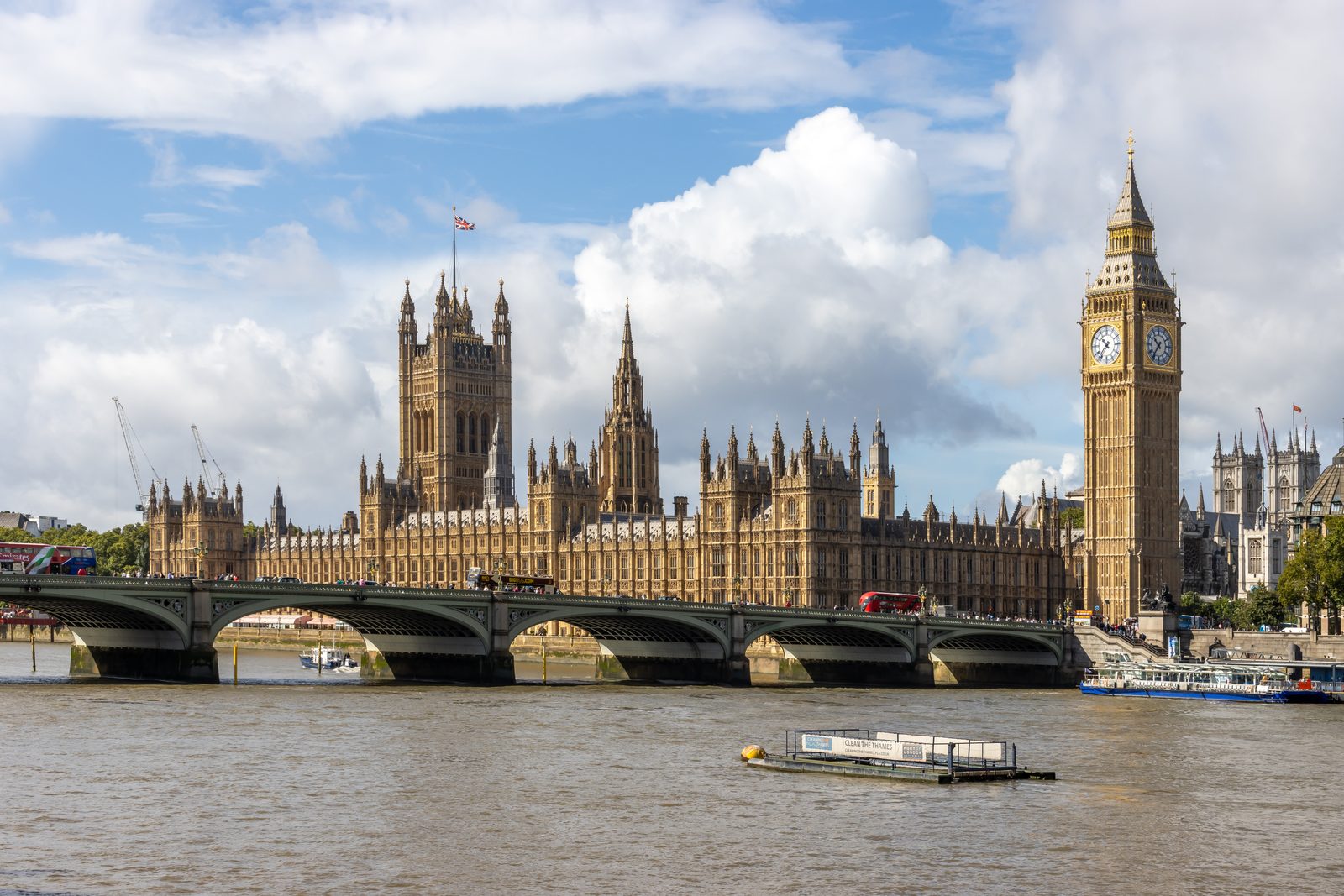
Eight regional water councils to give English communities a say over billions in water investment
Local leaders, customers and businesses are to set regional priorities for sewage, flooding, drought and future supplies under the new councils, while mayors gain stronger powers under the Water Bill to call water companies to account.
Eight new regional water councils are to be created across England, the Government announced on 5 November, in an attempt to give communities a direct hand in shaping billions of pounds of investment in water and flood infrastructure. Each council is to seat local leaders alongside customers and businesses, and agree the priorities for its region. Reporting on the announcement put the size of each body at between 10 and 15 people, including mayors or local authority leaders, farmers, developers and customers, with the eight councils drawn around river basins and water supply areas, among them Anglian, Humber, North West, Northumbria, Severn, South East, South West and Thames.
The case ministers make is that the present system decides nationally what are, in practice, local problems. The announcement cited Lake Windermere, where sewage discharges have damaged local tourism, and Cambridge, where drought and water shortages have stalled growth, as places that have had too little influence over decisions affecting them. The councils are to give communities and local leaders a stronger voice over sewage and water quality, flooding, drought and future water supplies, and mayors are to gain fresh powers, under a strengthened Water Bill, to call water companies to account over how they perform.
The Prime Minister, Andy Burnham, presented the councils as part of his drive to move power out of Westminster. He said: "For the first time, local people will have a real say over what they need from their water company, whether that is cleaning up polluted rivers, building new reservoirs or protecting homes from floods." He added: "That is what moving power closer to communities looks like. Making sure local voices are heard and local priorities come first." Dame Angela Eagle, the Environment Secretary, described an industry that had failed, "for decades", the communities it exists to serve.
That is what moving power closer to communities looks like. Making sure local voices are heard and local priorities come first.Andy Burnham, Prime Minister
Two existing partnerships are held up as the working model. In East Anglia, Water Resources East shows a partnership tackling acute water scarcity, and the limits that scarcity imposes on sustainable growth around Greater Cambridge. Greater Manchester's Integrated Water Management Plan is the other exhibit, joining planning, regulation and investment in a single framework, with better drainage feeding into town centre regeneration. The eight councils are meant to take that pattern and embed it across England.
The timetable is short on structure and long on local discretion. The first step is local: leaders in each area have until the end of the year to propose how their council should be run. After that, each council is to produce a plan of its own, identifying where its water system is under most strain, what decisions follow, and what mix of public and private money could pay for the response. The House of Commons Library's briefing on water reform records the November announcement as part of the Government's wider devolution agenda, following January's water white paper, A new vision for water, and September's commitment to stronger public control and a strengthened water bill.
The councils sit inside a harder edged package aimed at the companies themselves. The Government points to new powers for automatic fines and criminal liability for water company bosses who conceal sewage spills, and notes that the Environment Secretary has set expectations for the next Price Review, warning companies to provide better value for money for struggling households. Support in the announcement itself came with a condition attached: Richard Benwell, chief executive of Wildlife and Countryside Link, welcomed the potential of regional control but said the new councils must have the powers and funding to deliver. Further detail on the Government's approach to the industry is promised in its 10 year plan for Britain, due later this year.
None to date. The Journal corrects errors promptly and transparently. Read our corrections policy.