Water company fines help fund more than 300 river clean-up projects across England
More than 300 local projects across England will share over £11 million from the Water Environment Improvement Fund, almost £6 million of it raised from fines on water companies, in a round expected to better over 1,300km of rivers, add more than 100,000 trees and restore over 800 hectares of habitat.
Money collected in fines from water companies is to be spent on repairing the waterways those companies polluted, under a funding round announced by the government on Saturday. More than 300 local projects across England will share over £11 million from the Water Environment Improvement Fund, and almost £6 million of that total has been raised through fines on water companies.
Between them, the schemes are expected to leave more than 1,300km of river in better condition and add over 100,000 newly planted trees, according to the Department for Environment, Food and Rural Affairs. More than 800 hectares of habitat will be created or restored, and the department points to lower flood risk and cleaner, healthier natural places for communities among the intended results. The Environment Agency published the full list of funded projects for 2026 to 2027 alongside the announcement.
The fund is managed by the Environment Agency and delivered by local people and organisations, among them rivers trusts, wildlife trusts, councils and landowners. The department's case for that model is that communities will use the money to tackle problems that would otherwise be left alone, drawing on local knowledge and evidence of what works.
For too long, water companies have got away with polluting our environment, but now the polluter will pay.Dame Angela Eagle, Secretary of State for Environment, Food and Rural Affairs, in the Defra release of 28 November 2026
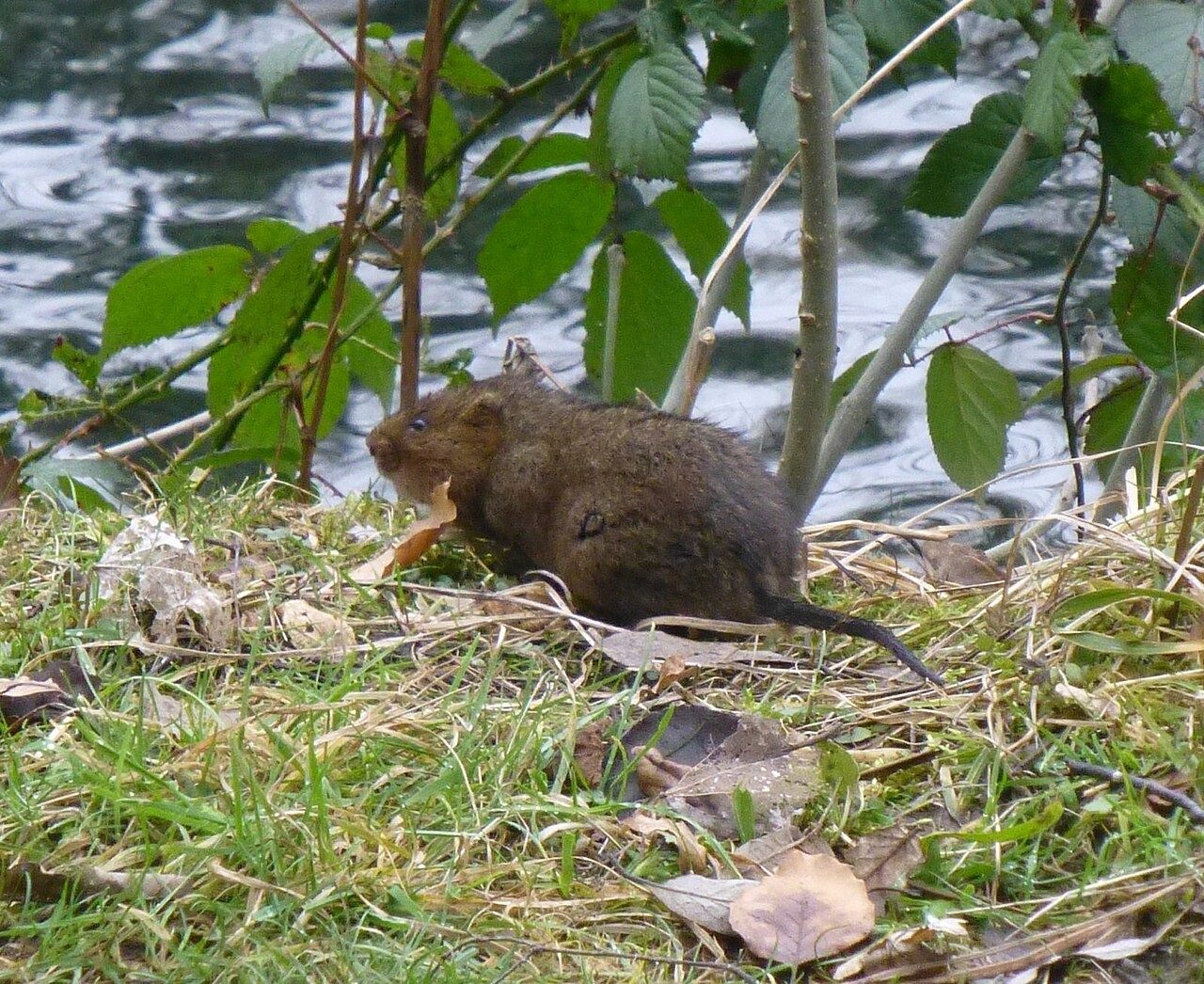
On the River Wey in Surrey, the National Trust will receive £49,000 for its Wey Water Vole Recovery project. Water voles are being brought back to a river where they had all but disappeared: in August 2025 the project released 190 of the animals at six sites, one of them on the South Wey close to Haslemere, after preparatory work spanning more than three years across a catchment 87 miles long. Work so far has protected or restored 140km of river, with 83 partners contributing over 3,000 hours of volunteer time.
On the River Tyne, Groundwork North East and Cumbria will receive £165,000 for the Newburn Estuary Edge Improvements project near Newcastle upon Tyne. Bundles of natural brushwood will form a barrier 230 metres long at the estuary edge, slowing the current so that mud can settle and saltmarsh take hold, giving young fish and other wildlife shelter. NatWest Group shares the funding for the project.

In Gloucestershire, the Severn Vale Catchment Partnership will receive £60,000 for its Wilder Frome project, tackling the barriers on the River Frome that stop eels and salmon moving freely. It will also add wetland habitat within and beside the channel, and work alongside farmers and other landowners to cut the sediment and nutrient load reaching the water.
Environment Secretary Dame Angela Eagle presented the round as part of a wider overhaul of a water system she said has failed people and nature, alongside regional water councils that will give communities a voice in regional priorities and are to be written into law following the Water Bill. The Environment Agency's chief executive, Mr Duffy, said local people know their rivers best, and that the agency would continue to hold polluters to account.
None to date. The Journal corrects errors promptly and transparently. Read our corrections policy.