Sea tribunal refuses Argentina's request to freeze the Falklands oil project
By 18 votes to 3, the International Tribunal for the Law of the Sea declined on Saturday to grant the interim orders Argentina wanted against the Sea Lion oil development north of the Falkland Islands, holding that the claims rested on the contested question of sovereignty over the islands. Britain welcomed the decision and called on Argentina to end its economic pressure on the islanders.
Argentina's attempt to stop work on the Sea Lion oil development north of the Falkland Islands failed in a Hamburg courtroom on Saturday, when the International Tribunal for the Law of the Sea voted by 18 votes to 3 against the interim orders Buenos Aires had sought.
The tribunal sits in Hamburg and was created by the United Nations Convention on the Law of the Sea. Its reasoning turned on the character of the disagreement before it: deciding what Argentina asked would first require the judges to settle which state holds sovereignty over the islands, and a contest of that kind, they concluded, is not a dispute about the meaning or reach of the Convention itself. Each of the four grounds Argentina advanced, on sovereign rights, on resource development by one side alone, on safeguarding the marine environment and on the duty not to worsen a dispute, failed for the same reason: none could, at this first stage, show a plausible basis for the future arbitral panel's authority to hear the case.
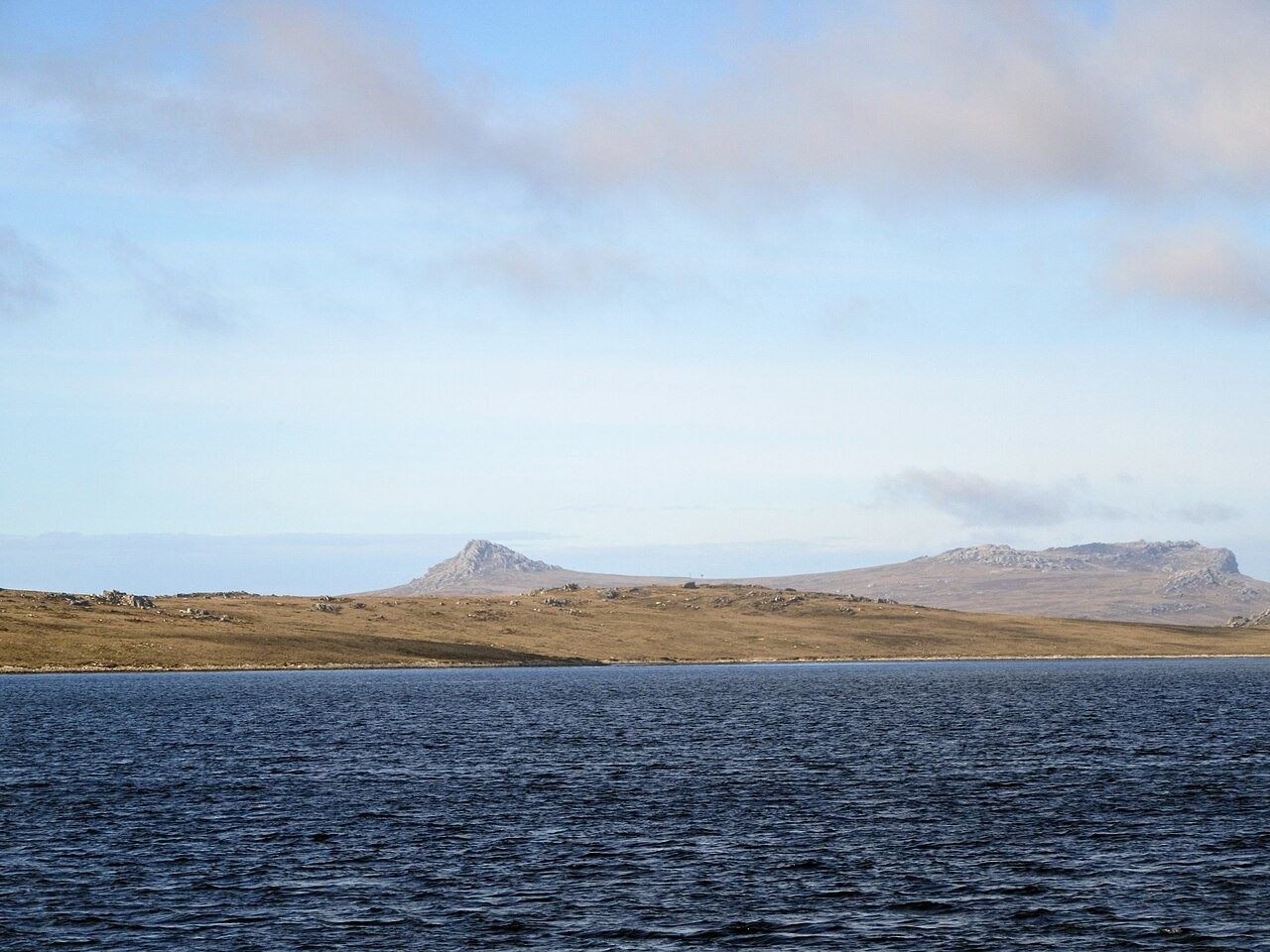
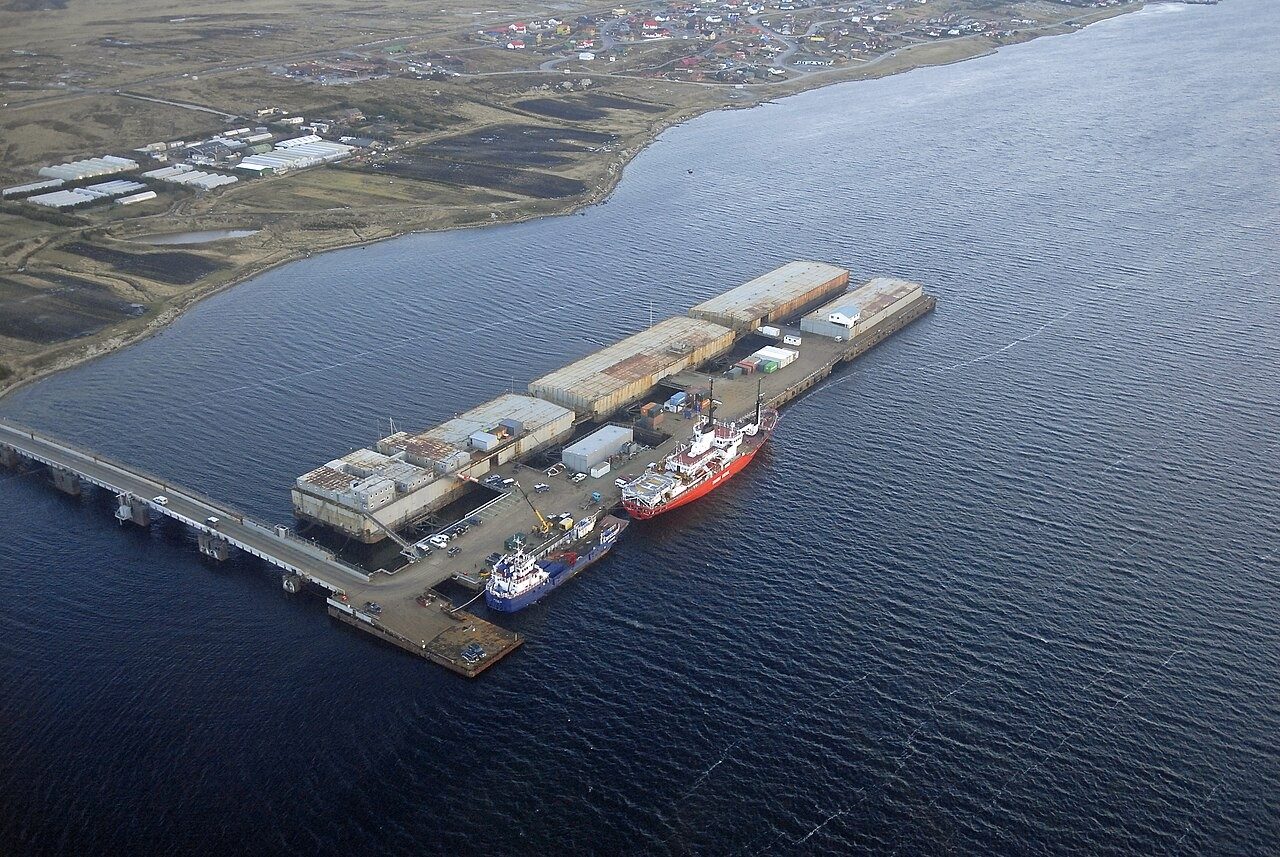
Buenos Aires began arbitral proceedings under the Convention on 28 September. On 13 October it turned to the Hamburg tribunal, which is empowered to act in the interval before an arbitral panel is convened, asking for orders that would prevent new drilling for the project, stop production installations being put in place and rule out further exploitation licences in the meantime. Sea Lion lies in waters north of the islands, inside the 200 nautical mile zone.
Argentina sought to stop the Falkland Islanders making their own sovereign decisions and failed in this attempt.Foreign Secretary Ed Miliband and Attorney General Ellie Reeves, in their joint statement of 28 November 2026
Saturday's order disposes only of the interim application. It leaves sovereignty over the islands untouched, and the arbitration Argentina began in September will now proceed. The tribunal pressed both governments to move swiftly in constituting that arbitral panel, reminded them that the Convention governs the disputed waters, and said it expects their conduct to reflect that position. In the meantime, nothing in the order prevents work on Sea Lion from continuing.
The judges also entered Britain's undertakings in the record of the case. London told the hearing that drilling would not start before 21 March 2027, that extraction would not start before March 2028, and that the licensing regime stands suspended, so no fresh licences are being issued.
In London, the response came in a joint statement from Foreign Secretary Ed Miliband and Attorney General Ellie Reeves. They welcomed the refusal of interim measures, presented the outcome as proof that Britain's legal case had been well founded, and restated that Britain does not question its own sovereignty over the islands, its sovereign rights in the waters around them, or the islanders' right to decide their own future.
The statement ended by turning the demand back on Buenos Aires: respect the islanders' right to determine their own future, the ministers said, and bring Argentina's wider economic pressure on the islands to an end.
None to date. The Journal corrects errors promptly and transparently. Read our corrections policy.