Jobs market ‘flickers back to life’ as permanent hiring grows at fastest pace in four years
The KPMG/REC Report on Jobs put its permanent placements index at 50.9 in September, the highest since 2022, with starting-salary growth cooling in a combination that may reassure Bank of England rate-setters.
Britain’s jobs market showed fresh signs of recovery in September, with permanent staff placements rising at the fastest pace in four years, according to the monthly Report on Jobs from KPMG and the Recruitment and Employment Confederation.
The survey’s index of permanent placements rose to 50.9 from 50.5 in August, its highest reading since September 2022. Readings above 50 denote growth, and September was the second successive month of improvement after a protracted slowdown.
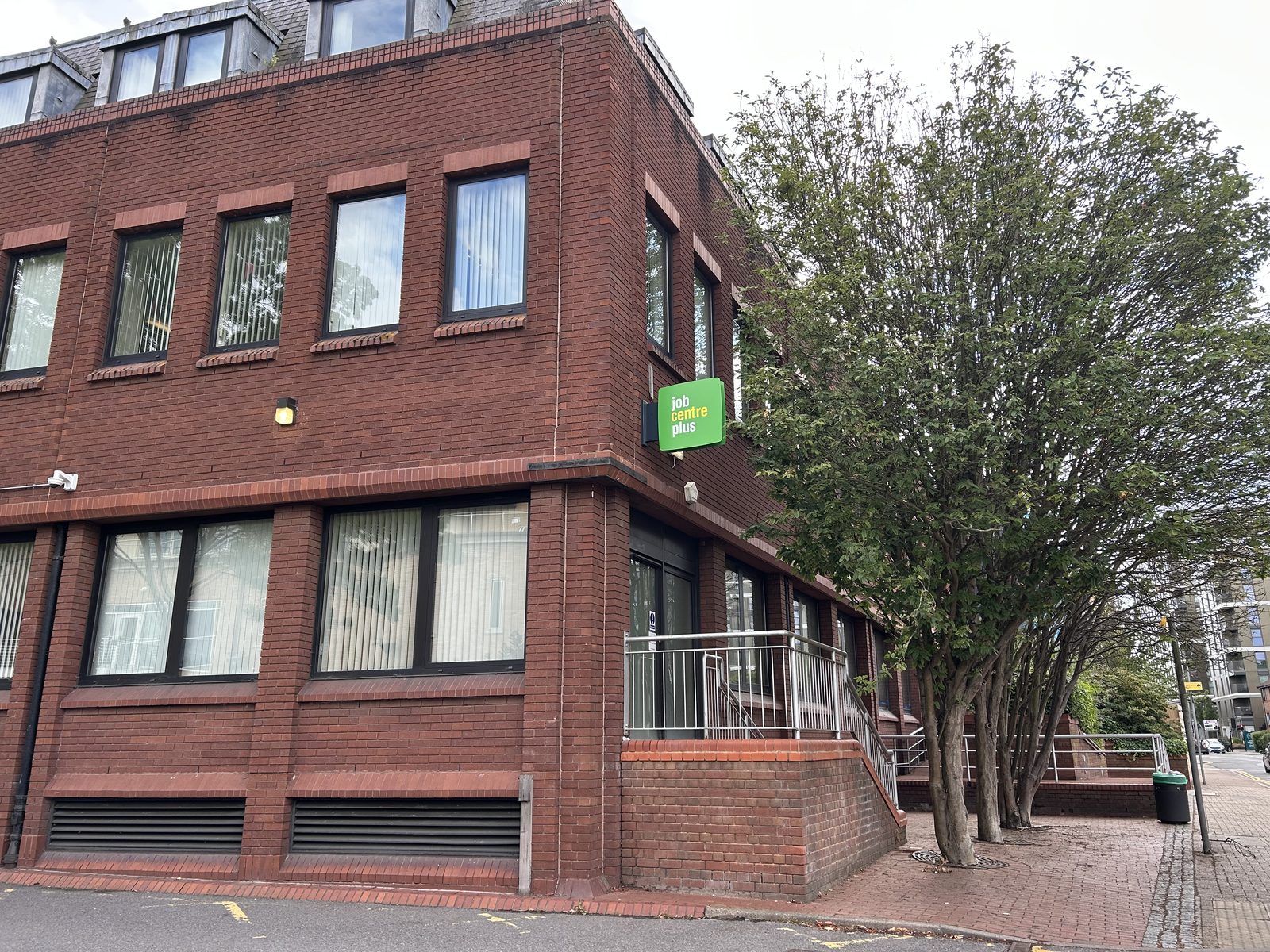
“For the second month in a row we are seeing the jobs market starting to flicker back to life, with businesses increasing their hiring across both permanent and temporary roles,” said Jon Holt, KPMG’s group chief executive.
For the second month in a row we are seeing the jobs market starting to flicker back to life.Jon Holt, KPMG group chief executive
Permanent starting salaries increased, but at a slower pace than in August, a cooling that may offer tentative reassurance to Bank of England officials trying to gauge the extent of domestic inflation pressure. Demand for staff contracted overall, but at the weakest pace since August 2024.
Recruiters reported the strongest demand for IT and computing staff and for engineers, chiming with official data pointing to an AI-related upswing in activity. Retail and hospitality showed the sharpest falls in demand for workers.
The Report on Jobs, a survey of recruitment consultancies, is viewed as a leading indicator of the British labour market. Its findings add to signs of resilience in the wider economy, which grew by more than expected in the first half of the year.
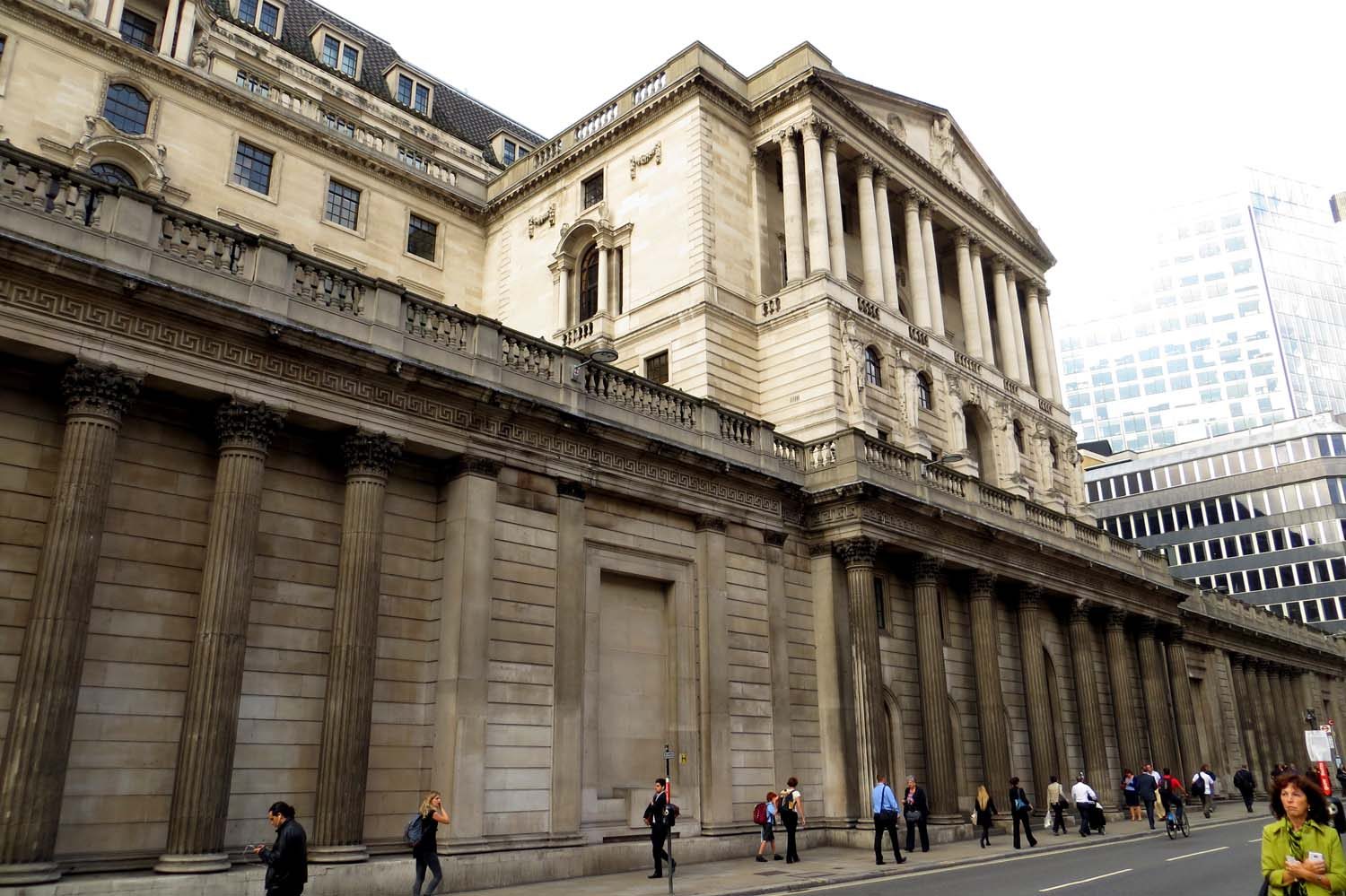
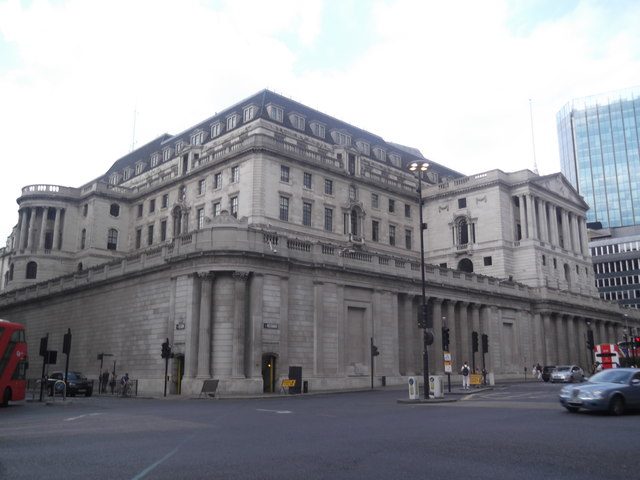
The figures will be watched at Threadneedle Street. Some Bank rate-setters had hoped a cooling labour market would help stop high inflation becoming entrenched as energy prices rise, stoked by the US-Iran war.
None to date. The Journal corrects errors promptly and transparently. Read our corrections policy.