Police in London to trial longer range readers for drones' digital number plates
A trial backed by nearly 2 million pounds will give police equipment that can pick up a drone's broadcast identity and location from further away, as ministers try to curb illegal flights around matches, concerts and airports while making room for medical and retail deliveries.
Police are to test equipment that can read a drone's digital identity from a greater distance, under a London trial announced by the Department for Transport on Tuesday and backed by nearly 2 million pounds of government money. Drones covered by the identification rules already broadcast who they are and where they are, the system known as Remote ID, but receivers can generally pick that signal up only within a confined vicinity. The new kit is meant to extend both the reach and the accuracy of detection, giving officers a fuller picture of drone activity across the capital and a better chance of responding while an illegal flight is still under way.
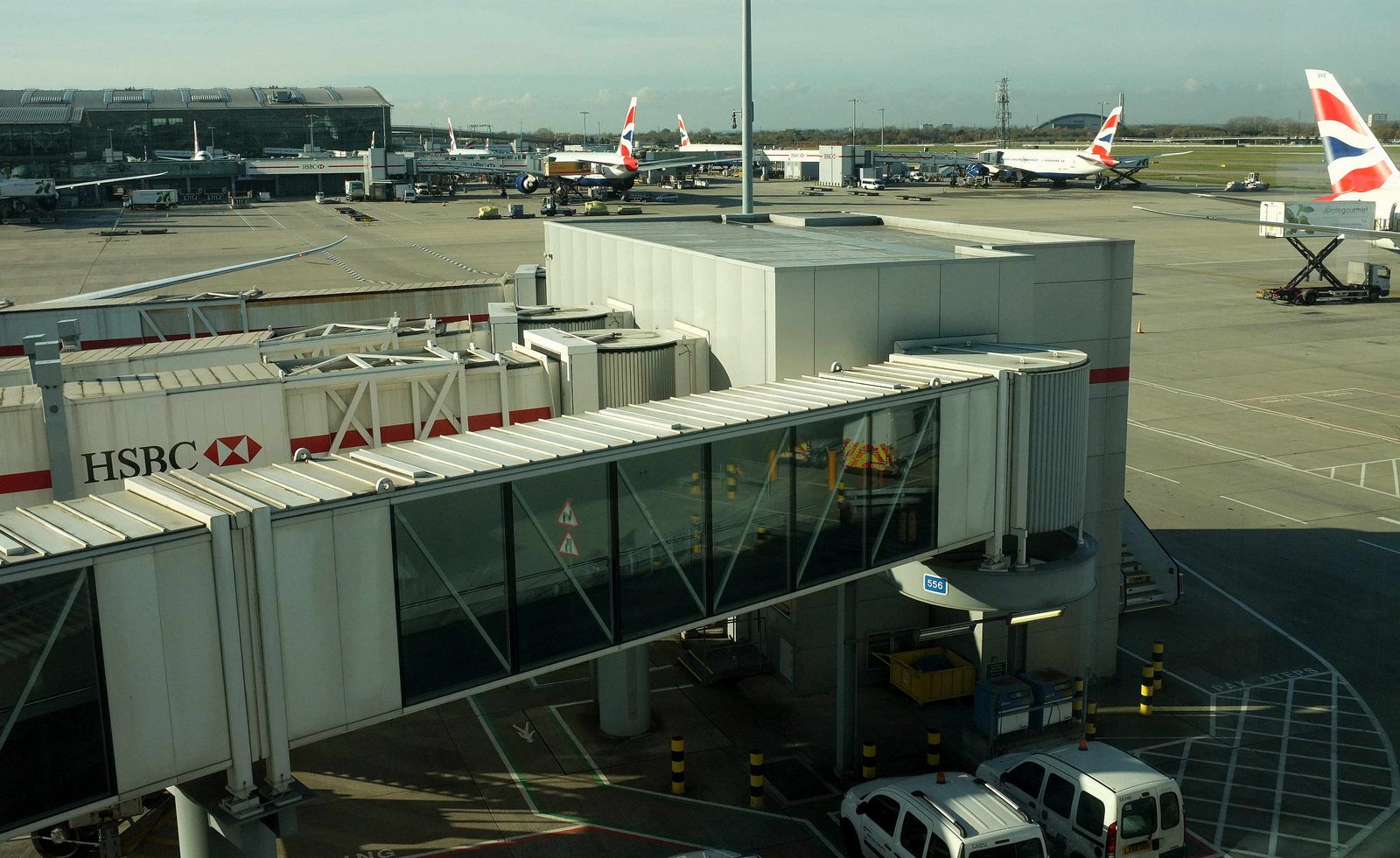
The immediate problem, on the department's account, is disruption at public events and sensitive sites. Its announcement points to disruption at an Arsenal fixture last month, to more than ten drone seizures around Oasis concerts last year, and to an aircraft encountering an illegal drone near Heathrow in October. It also describes work already running alongside the railways, where drones inspect bridges and help respond to passenger incidents, and in Birmingham, sensors installed beside railway lines are helping officers and Network Rail keep watch over the airspace above key sites.
The money is split between two parts of government. The Department for Transport is putting in 1.2 million pounds, and the Regulatory Innovation Office a further 500,000 pounds, to support police equipment and infrastructure and to work on removing barriers to larger scale drone operations. Where the equipment actually goes during the London trial is a decision for the National Police Chiefs' Council, not for ministers. Longer term, the department says, the trial should give police greater visibility of drone activity across the country, and it sits on top of nearly 50 million pounds of government investment in drone and flying taxi technology announced in May.
That's why we're putting new technology in police hands to track the 'number plates of the sky' and crack down on illegal use.Heidi Alexander, Transport Secretary, in the Department for Transport announcement of 24 November 2026
The trial's second purpose is commercial. Being able to tell authorised drones from unauthorised ones is a precondition for routine services sharing busy skies with other aircraft, and the department links the work to more frequent medical deliveries and shopping services, putting the possible contribution of the drone sector at up to 103 billion pounds over the next 25 years. Apian, which flies NHS drone services, made the same point from the operator's side in the announcement: its ambition is to connect hospitals and laboratories across London, moving pathology samples, medicines, blood and transplant organs, and that depends on police being able to distinguish its authorised flights from illegal activity.
The identification duty the trial builds on is already law in stages. Under the Civil Aviation Authority's Remote ID framework, an in-flight drone provides identification and location information that other parties can receive, broadcast directly from the aircraft without an internet connection. The requirement has applied since 1 January 2026 to drones in classes UK1, UK2, UK3, UK5 and UK6, and is tied to operator registration so that a drone can be traced by law enforcement and aviation authorities. After a two year transition, it extends on 1 January 2028 to UK0 drones of 100 grams or more with a camera, to model aircraft unless exempted, to privately built aircraft of 100 grams or more with a camera, and to legacy aircraft outside the class marking system in the same weight and camera category. The Authority's stated long term preference is a hybrid system, with direct broadcast as the interim form.

None to date. The Journal corrects errors promptly and transparently. Read our corrections policy.