Burnham uses Berlin visit to prepare ground for November EU summit
The Prime Minister ratified the Kensington Treaty with Friedrich Merz, launched a joint security partnership and said Britain was open to Germany joining the GCAP fighter programme, days after telling Labour conference Brexit had done “more harm than good”.
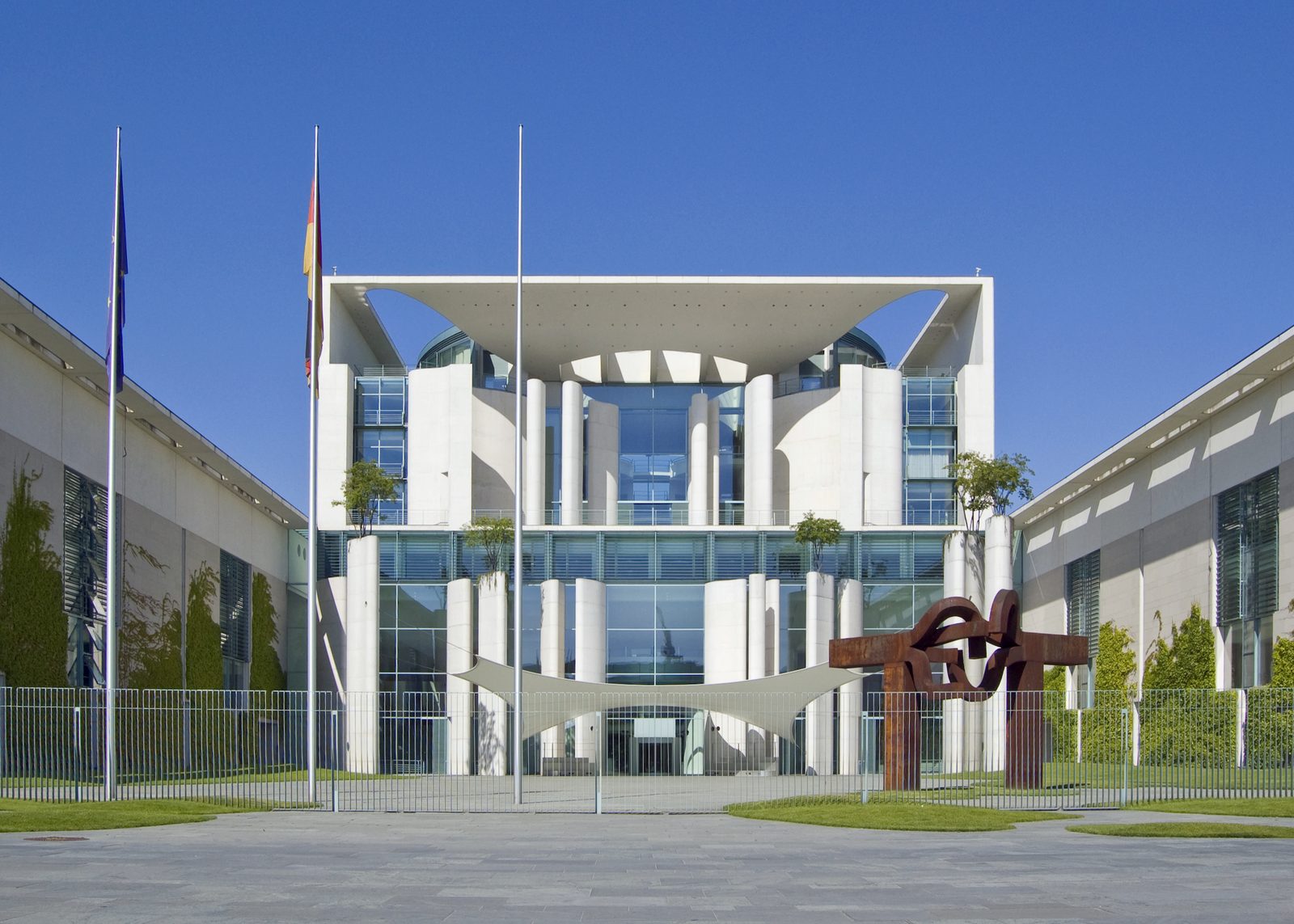
Andy Burnham has used his first official visit to Germany to prepare the ground for a summit with the European Union on 20 November, telling Chancellor Friedrich Merz that Britain wants a deeper relationship with the bloc.
The two leaders formally ratified the Kensington Treaty, signed in 2025, which commits Britain and Germany to deeper cooperation on science, technology, defence, security and growth. They also launched a joint partnership against sabotage, cyber attacks and other hybrid threats attributed mainly to Russia.
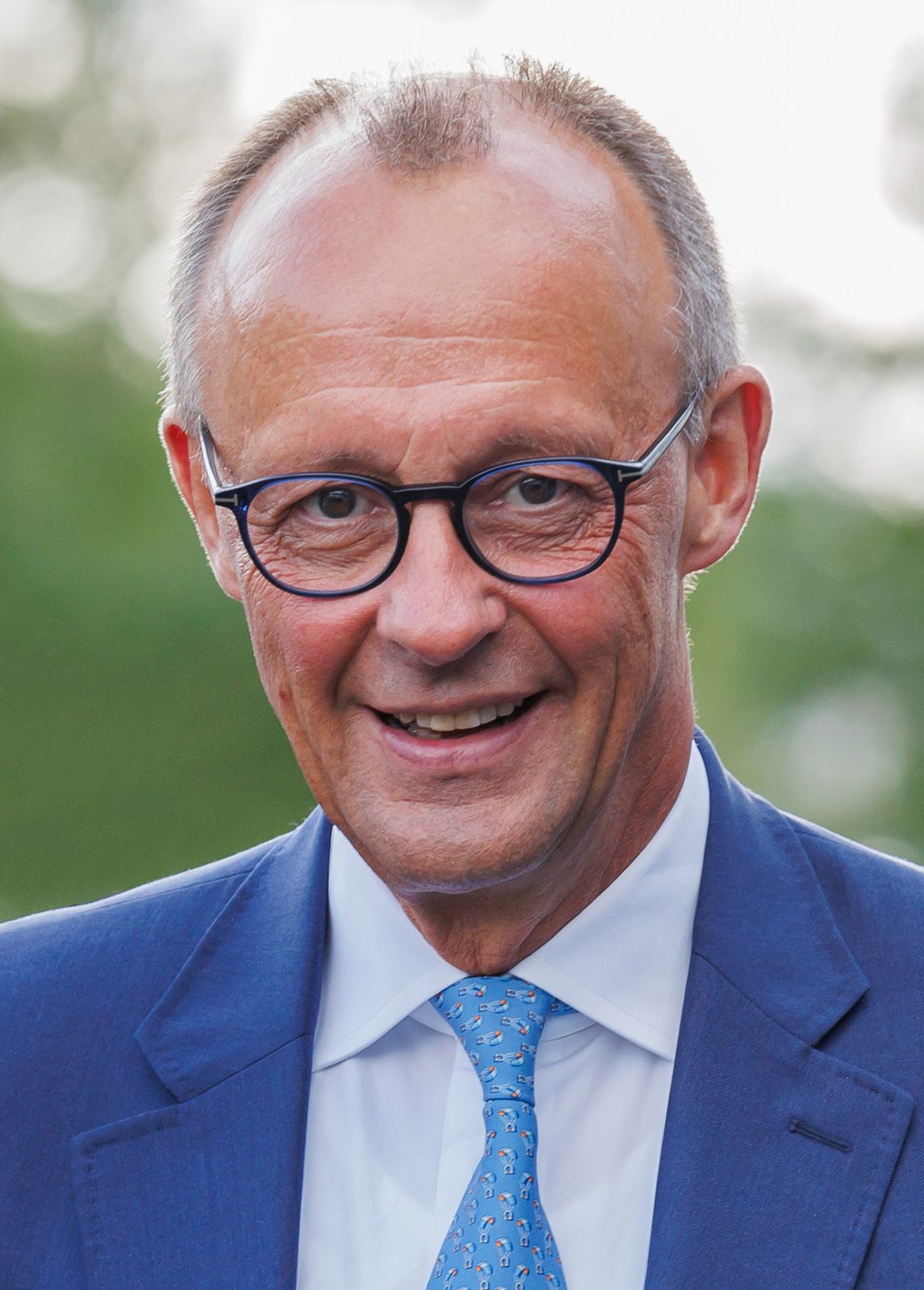
Speaking before the talks, Burnham said the two countries were “joining forces to find, expose and disrupt” such threats. “Attacks on our infrastructure, our businesses and our democracies are not a distant threat,” he said. “They reach into people’s homes and workplaces, and they are designed to make us weaker and more divided.”
Attacks on our infrastructure, our businesses and our democracies are not a distant threat.Andy Burnham, Berlin, 8 October 2026
Downing Street said deeper cooperation against hybrid threats from Russia would be high on the agenda. Intelligence services in both countries have warned of rising threats, including last month, when an explosive-laden drone was found near Ukrainian cargo planes at Leipzig/Halle airport, prompting Britain to summon a Russian diplomat and Germany’s interior minister to cite Russia’s pattern of hybrid operations.
On defence industry, Burnham said Britain was open to Germany joining the Global Combat Air Programme, the partnership between Britain, Italy and Japan to develop a new fighter jet. “I’ve indicated to the Chancellor ... our openness to Germany joining GCAP,” he told a press conference. “That is something that we seek to progress in the coming period, working with our other partners, Italy and Japan.”
The visit came days after Burnham told Labour’s conference in Liverpool that Brexit had done “more harm than good” and promised to set out options for the long term, up to and including re-entry. Merz called Britain’s exit from the EU regrettable and welcomed the change of tone.
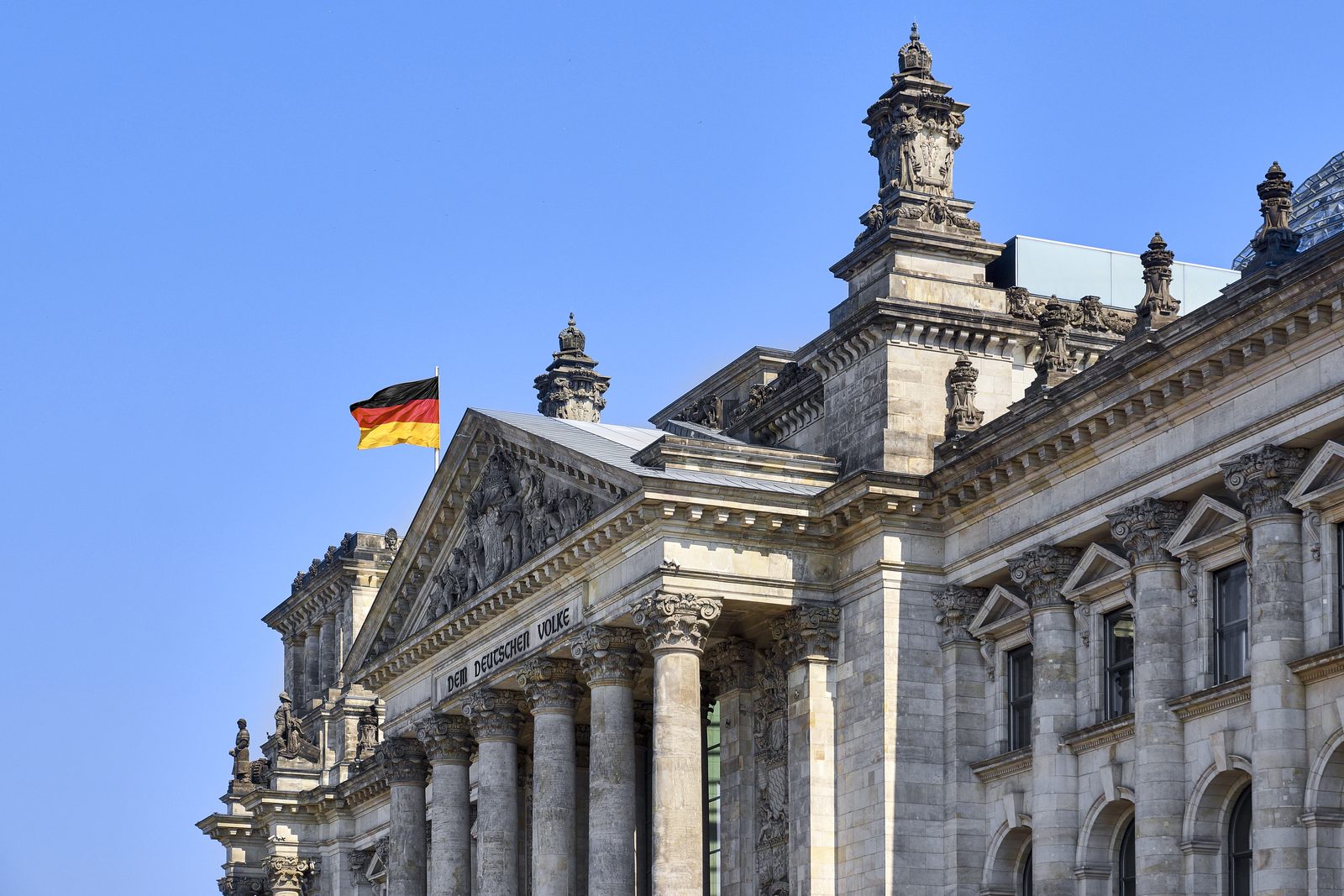
Burnham named economic growth and irregular migration as the areas where London wants to move first. A German government spokesman said any future referendum would be primarily a question for Britain, but that Berlin supports stronger ties between the UK and the EU.
There are limits to the courtship. The European Commission has said it is for the British Government to define the relationship it wants, and at home Burnham remains bound by the 2024 Labour manifesto, which rules out the customs union, the single market and free movement until the next general election, due in 2029. Reform UK’s deputy leader Richard Tice accused the Prime Minister of trying to “sneak us back into Brussels via the back door”.
The two leaders also convened a UK-Germany Regional Growth Forum of British and German business chiefs, and discussed support for Ukraine, instability in the Middle East and disruption to trade routes such as the Strait of Hormuz.
None to date. The Journal corrects errors promptly and transparently. Read our corrections policy.